Light Up Pakistan with MAXPOWER: The Ultimate Solar Panel Destination
September 18, 2023
10 Surprising Facts About Solar Energy and Solar Panels in Pakistan
September 4, 2023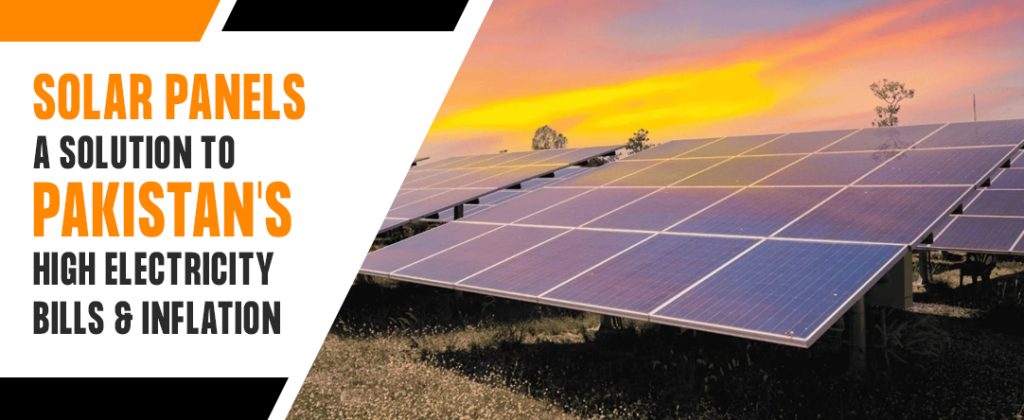
Accelerating Economic & Environmental Stability in Pakistan Through Solar Power
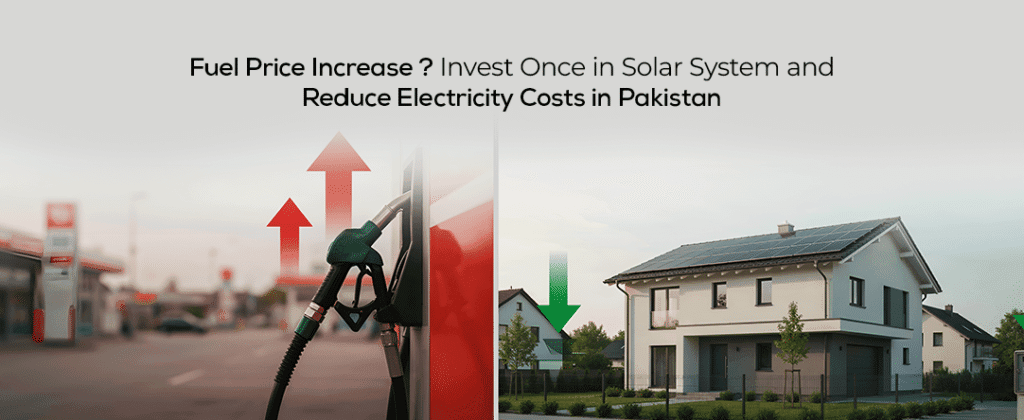
The energy shortfall in Pakistan is as tangible as the intense heat that makes residents yearn for a working air conditioner. Daily power interruptions are the norm, and as electricity meters keep running, exorbitant bills have become an unwelcome burden for households nationwide. Compounding the problem, soaring inflation continues to stretch budgets across both urban and rural communities.
Transitioning to solar energy directly addresses these challenges by reducing monthly utility costs while curbing broader economic inflation. This article explores how solar panel adoption strengthens Pakistan’s national grid, stabilizes household finances, and drives environmental sustainability.
Solar Panels and the Grid: A Symbiotic Relationship
Integrating solar power systems into Pakistan’s national grid creates a mutually beneficial energy ecosystem. When households and businesses install photovoltaic arrays, they operate as localized micro-power units. This decentralized generation reduces individual electricity expenses while easing pressure on overloaded transmission infrastructure during peak summer hours.
The Power of Net Metering
Under Pakistan’s Net Metering regulations, distributed solar setups yield significant community benefits:
-
Surplus Power Export: During high-irradiance hours, arrays export unused electricity back to the national distribution grid.
-
Billing Credits: Exported units offset grid consumption during evening hours or low-generation days.
-
Capacity Enhancement: Thousands of interconnected rooftop systems cumulatively inject megawatts of clean power into DISCO networks, mitigating localized load shedding.
How Solar Panels Work: Semiconductor Basics
Solar energy generation relies on solid-state physics to convert sunlight into usable household power:
-
Photovoltaic Absorption: Solar panels consist of silicon-based semiconductor cells that absorb light photons.
-
Electron Excitation: Photon absorption releases free electrons within the semiconductor layers, establishing an electrical current (Direct Current / DC).
-
Power Inversion: A central or hybrid Maxpower solar inverter converts DC power into Alternating Current (AC) synchronized with standard home appliances and grid voltage.
For further details on equipment selection, read our guide on buying the best solar inverter for residential use.
Key Macro and Micro Benefits of Solar Adoption
| Impact Dimension | Traditional Grid / Fossil Fuel Dependence | Solar PV Integration Solution |
| National Economy | Heavy foreign exchange burn on imported fuel oil & LNG | Zero fuel reliance; utilizes free, localized solar irradiance |
| Household Budget | Vulnerable to tariff hikes and fuel price adjustment (FPA) charges | Fixed generation costs delivering fast 2.5 to 4 year ROI payback |
| Grid Reliability | Frequent urban blackouts and transformer overloads | Peak shaving via distributed generation and stored energy reserves |
| Environmental Health | High carbon footprint and seasonal urban winter smog | Zero greenhouse gas emissions during power production |
Financial Feasibility & Regulatory Policy Drivers
While installing a solar energy system requires upfront capital, decreasing per-watt panel prices and advanced storage options make solar adoption economically viable across residential, commercial, and agricultural sectors.
Key Regulatory Frameworks Supporting Adoption
-
Net Metering Framework: Enables bi-directional energy flow, granting utility bill credits for exported excess generation.
-
Green Rooftop Initiatives: Regulatory support encouraging commercial and industrial facilities to convert unused roof space into clean generation units.
-
Energy Independence Strategy: Shifting away from imported thermal fuels lowers trade deficits and helps stabilize the national currency against inflation.
To explore site feasibility, sizing calculations, and storage integration, read our previous guides on evaluating solar panel efficiency and feasibility and maximizing solar performance in winter.
Strategic Action Plan for Solar Transition
-
Conduct Energy Audits: Review historical utility bills (peak kWh usage) to size the PV array accurately.
-
Select Tier-1 Components: Pair high-efficiency solar modules with reliable hybrid inverters and long-life Maxpower lithium batteries for continuous backup during outages.
-
Apply for Net Metering: Process bi-directional meter licensing with your local DISCO to unlock utility bill offsets.
Explore more technical guides, market insights, and product updates on the official Maxpower News & Insights portal.
Frequently Asked Questions
How do solar panels help combat inflation in Pakistan?
By generating your own electricity, you lock in a fixed energy production cost for 25+ years, shielding your household or business from rising grid tariffs, fuel price adjustments (FPA), and currency devaluation.
Can a residential solar setup operate during grid power blackouts?
Standard grid-tied systems shut off during blackouts for grid safety. However, pairing solar panels with a hybrid inverter and lithium battery storage allows your system to instantly switch to off-grid backup mode, keeping essential appliances running continuously.
How does net metering reduce monthly utility bills?
Net metering tracks both the power you import from the grid and the excess solar power you export. Exported units are credited against your nighttime grid consumption, significantly reducing or eliminating your net bill.
What maintenance is required to keep solar panels working efficiently in Pakistan?
Solar panels require minimal maintenance. Regularly washing dust, soot, and bird droppings off the glass surface with clean water once or twice a month maintains maximum light absorption and generation capacity.
What size solar system is recommended for an average household running an air conditioner?
A 5 kW to 10 kW hybrid solar system is typically recommended to run routine household loads alongside 1 to 2 inverter air conditioners while generating surplus units for battery storage or net metering export.