Energy Storage Solutions for a Diverse World Maxpower vision
October 27, 2023
Solar Panels: A Solution to Pakistan’s High Electricity Bills and Inflation
September 7, 2023
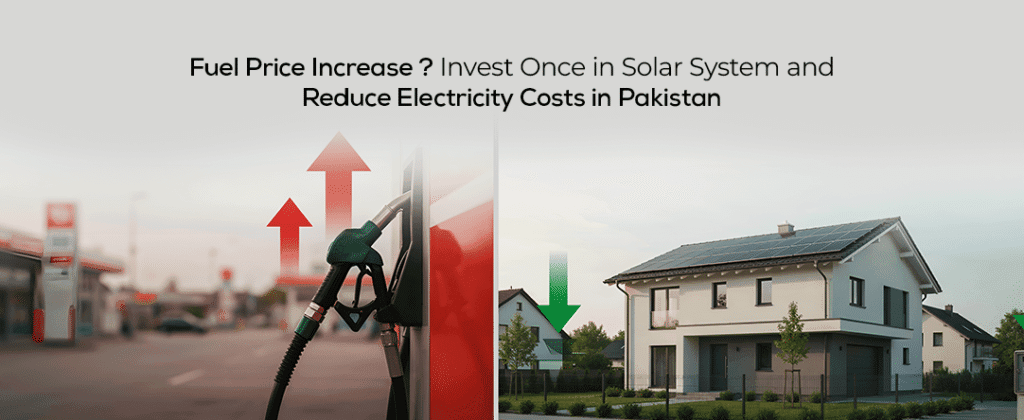
Pakistan’s energy landscape is undergoing a massive shift. Rising electricity tariffs, frequent grid instability, and high summer peak loads have made solar power an essential operational strategy for residential, commercial, and agricultural sectors. Generating clean energy directly offsets rising utility costs while supporting national carbon reduction goals.
Among leading energy providers, MAXPOWER delivers end-to-end solar infrastructure—combining high-efficiency photovoltaic (PV) modules, advanced hybrid inverters, and safe LiFePO4 battery storage systems engineered specifically for Pakistan’s climate and grid conditions.
1. High-Performance Solar Modules & System Applications
MAXPOWER supplies high-yield monocrystalline, N-type TOPCon, and bifacial solar panels ranging from standard 150W units up to high-capacity 500W–600W+ commercial modules. These modules perform effectively under extreme heat, high ambient dust, and variable solar irradiance.
| Sector | Primary System Setup | Key Operational Advantages |
| Residential | 3kW to 10kW Hybrid Systems | Lowers monthly utility bills, powers household HVAC/cooling loads, and delivers instant load-shedding backup. |
| Commercial | 10kW to 20kW+ On-Grid / Hybrid | Reduces daytime operational expenses and enables net-metering exports to offset peak commercial tariffs. |
| Industrial | High-Voltage Ongrid / IP66 Hybrid | Handles heavy motor startup currents, reduces peak demand charges, and integrates with factory power setups. |
| Agricultural | Solar Water Pumping Arrays | Drives high-torque agricultural pumps reliably in remote off-grid locations. |
2. Inverter Technology: The Core of Solar Efficiency
Solar inverters convert direct current (DC) produced by PV panels into stable, synchronized alternating current (AC) for household and industrial appliances. MAXPOWER inverters utilize Maximum Power Point Tracking (MPPT) algorithms to continuously adjust voltage and current, extracting maximum power output even under partial shade or low-light conditions.
System Power Flow Process
-
Solar Array Harvesting: PV panels generate DC electricity from sunlight.
-
MPPT Optimization: The internal MPPT controller maximizes power output from the panels.
-
Smart Inverter Conversion: The MAXPOWER inverter converts DC power into AC power.
-
Intelligent Distribution: The inverter automatically directs electricity to home loads, grid export, or battery charging based on demand.
Advanced Hybrid Inverters
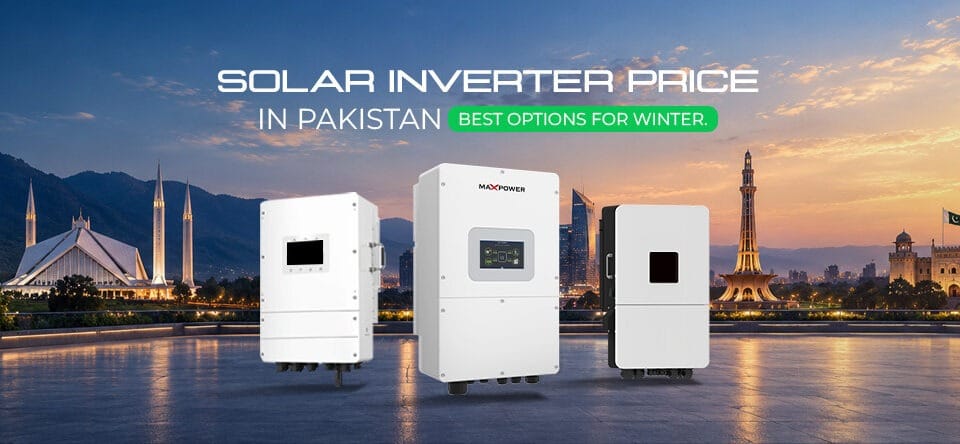
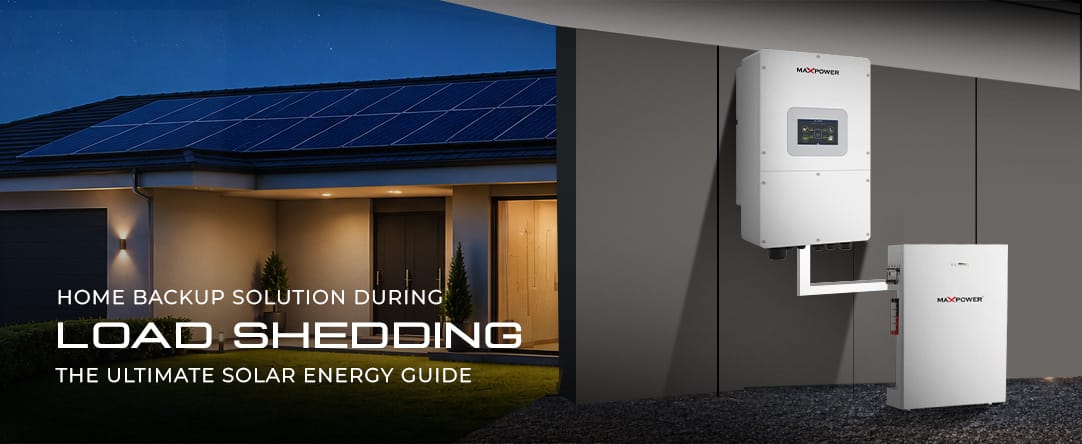
Hybrid models (including the Suntronic and weatherproof Voltas HYD IP66 series) integrate solar input, grid connection, and battery storage within a single unit.
-
Smart Energy Routing: Automatically prioritizes solar power during the day, charges batteries with surplus generation, and switches to stored battery power during grid outages.
-
Load Matching: Adjusts energy output based on real-time household consumption to minimize unnecessary grid draw.
High-Efficiency On-Grid Inverters
Designed for seamless grid interaction and net-metering compliance.
-
Bi-Directional Transfer: Feeds surplus daytime power back to the national utility grid to earn net-metering credits.
-
Grid Synchronization: Continuously matches output frequency and voltage to ensure safe grid tie-in and high power factor stability.
3. Lithium-Ion Battery Storage & BMS Technology
Energy reliability requires reliable energy storage. MAXPOWER integrates high-density Lithium Iron Phosphate (LiFePO4) battery systems (ranging from 2.4kWh wall units up to high-capacity 10kWh to 32kWh industrial banks).
-
Intelligent BMS Protection: Built-in Battery Management Systems safeguard against overcharging, deep discharge, thermal runaway, and short circuits.
-
High Cycle Life: Delivers 6,000+ charge-discharge cycles, far outlasting traditional lead-acid or tubular battery alternatives.
-
Smart Inverter Communication: Integrated CAN/RS485 protocols allow real-time telemetry sharing between the battery bank and MAXPOWER hybrid inverters for precise state-of-charge (SoC) management.
Frequently Asked Questions
How does net metering work with MAXPOWER on-grid and hybrid inverters in Pakistan?
Net metering allows solar system owners to export excess electricity back to the national grid in exchange for utility credits. MAXPOWER on-grid and hybrid inverters feature bi-directional synchronization that safely feeds surplus daytime solar power to the grid, offsetting evening consumption and lowering net monthly electricity bills.
What is the advantage of IP66-rated hybrid inverters like the MAXPOWER Voltas series?
An IP66 rating ensures complete protection against heavy dust ingress and strong water jets. This weatherproofing allows inverters to be mounted outdoors without external enclosures, preventing thermal stress and component damage during hot, humid, or dusty Pakistani summers.
Why are LiFePO4 batteries better than tubular or lead-acid batteries for solar backup?
LiFePO4 (lithium iron phosphate) batteries offer 3 to 4 times longer lifespan (6,000+ cycles), faster charging rates, and higher discharge efficiency compared to lead-acid batteries. They maintain consistent voltage output during load shedding and require zero water maintenance.
Can a MAXPOWER hybrid solar system run heavy loads like air conditioners during load shedding?
Yes, when paired with appropriately sized hybrid inverters (e.g., 6kW to 10kW+) and lithium storage, MAXPOWER systems manage high startup currents. The system draws power from solar arrays and battery banks simultaneously to run heavy inductive loads like inverted air conditioners and water pumps smoothly.
What role does MPPT technology play in MAXPOWER solar inverters?
Maximum Power Point Tracking (MPPT) dynamically adjusts the electrical operating point of the PV array to extract maximum possible power. This technology increases system harvesting efficiency by 20–30% compared to legacy PWM controllers, especially during hazy, cloudy, or winter weather.
Summary Checklist
-
Calculate Consumption: Size system capacity (3kW, 6kW, 10kW, or 20kW+) based on average peak load and daily energy usage.
-
Select System Type: Choose On-Grid for direct bill reduction via net metering, or Hybrid + LiFePO4 Battery for complete protection against load shedding.
-
Ensure Weatherproofing: Verify outdoor inverter ratings (e.g., IP65/IP66) and battery BMS compatibility.
-
Deploy Certified Installers: Hire qualified technicians to ensure compliant grounding, DC protection, and utility grid approvals.