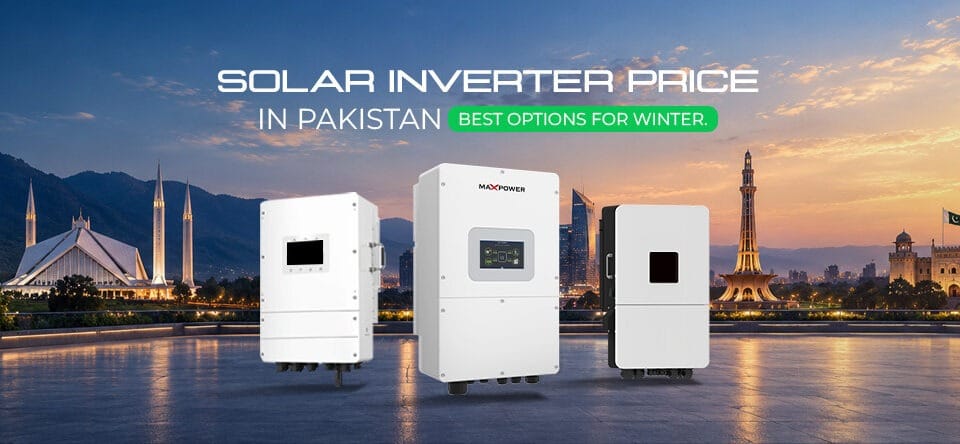
Solar Inverter Price in Pakistan 2026: Best Options for Winter
October 13, 2026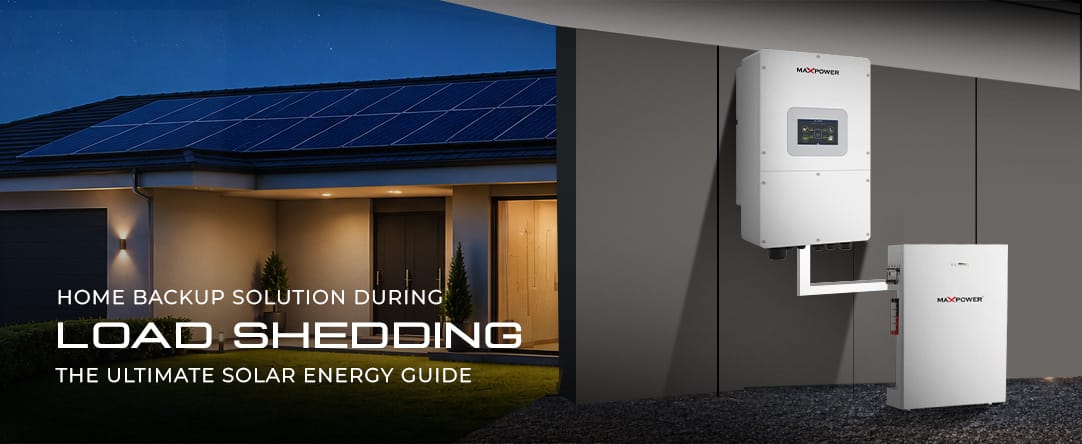
Home Backup Solution During Load Shedding The Ultimate Solar Energy Guide
August 15, 2026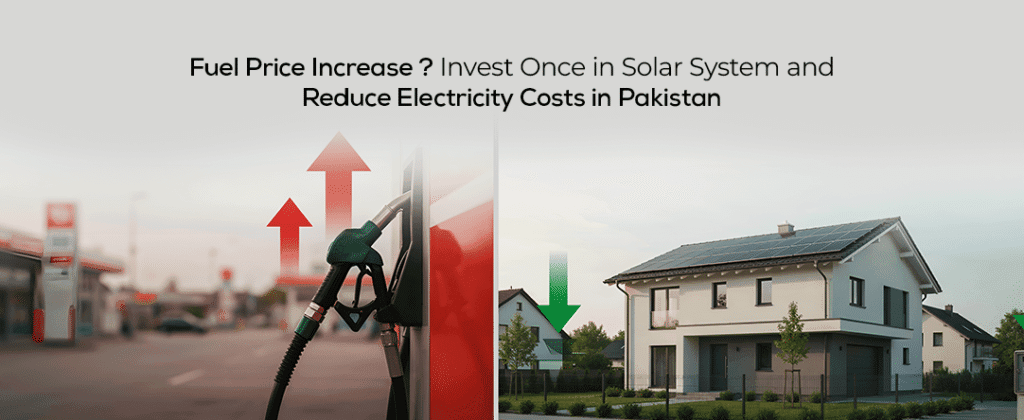
When Fuel Prices Rise, Everyone Feels the Pain
Whenever petrol, diesel, gas, or other fuel prices increase in Pakistan, the impact goes far beyond transportation costs. Higher energy costs can affect businesses, industries, agriculture, and households through increased operating expenses and electricity costs. For businesses that already deal with high electricity consumption, every increase in energy prices can put additional pressure on monthly budgets and overall profitability.
This is why more homeowners, businesses, factories, and agricultural users are looking toward solar energy in Pakistan as a long-term way to reduce their dependence on conventional electricity sources. By installing a properly designed solar system with efficient solar panels and a reliable solar inverter, consumers can generate their own electricity from sunlight and reduce the amount of power they need to purchase from the grid.
Why Rising Fuel Prices Make Energy Costs More Difficult to Manage
Pakistan’s electricity generation includes thermal power sources that depend on fuels such as gas, oil, and coal. Changes in fuel costs can therefore affect the overall cost of electricity generation. When energy prices increase, households and businesses may face higher electricity expenses even when their actual electricity consumption has not changed significantly.
For commercial and industrial users, the impact can be even greater because electricity is often one of the major operating expenses. Manufacturing equipment, air conditioning, refrigeration, pumps, lighting, and other machinery can consume large amounts of electricity every day. Installing a solar panel system can help these users generate electricity on-site and reduce their reliance on grid power during suitable operating hours.
Solar Energy Helps Reduce Dependence on Expensive Grid Electricity
The biggest advantage of solar energy is that solar panels generate electricity from sunlight without requiring ongoing purchases of petrol, diesel, or other conventional fuels. After a solar system is installed, the sunlight used to generate electricity does not come with a fuel bill.
A properly sized solar system in Pakistan can supply electricity for residential, commercial, industrial, and agricultural applications. During daylight hours, solar power can be used directly by appliances, machinery, pumps, and other electrical loads. This reduces the amount of electricity that needs to be purchased from the grid and can help businesses and households manage their energy costs more effectively.
For users with high daytime electricity consumption, investing in high-efficiency solar panels can be particularly useful because a larger portion of their daily electricity demand can be supplied through solar generation.
How Solar Panels and Solar Inverters Work Together
A complete solar power system depends on both solar panels and an inverter. Solar panels capture sunlight and convert it into direct current (DC) electricity. The electricity then passes through a solar inverter, which converts it into alternating current (AC) electricity that can be used by household appliances, commercial equipment, and other electrical loads.
The quality and capacity of both components are important. Efficient solar panels can help maximize electricity generation from the available roof space, while a reliable solar inverter manages the conversion of electricity and helps the system operate efficiently.
Pakistan’s hot weather also makes inverter selection particularly important. Solar equipment installed in areas such as Lahore, Multan, Karachi, Islamabad, and other cities may operate in high temperatures for extended periods. Choosing an inverter designed for the local operating environment can help support reliable system performance.
Hybrid Solar Inverters Provide Power During the Day and Backup at Night
Reducing electricity consumption during the day is only one part of an energy strategy. Many homes and businesses in Pakistan also need backup power when the grid is unavailable. This is where a hybrid solar inverter can provide additional functionality.
A hybrid solar inverter can manage solar generation, battery charging, and grid electricity depending on the system configuration. During the day, solar energy can power connected loads while excess electricity can be used to charge a battery. When solar generation decreases in the evening or during a grid outage, stored battery energy can be used to power selected appliances and equipment.
For users who want to combine solar energy, battery storage, and backup power, a hybrid system can provide greater flexibility than a basic grid-connected solar installation.
Lithium Batteries Can Store Solar Energy for Later Use
Solar panels generate electricity primarily when sunlight is available, but electricity demand does not always follow the same schedule. Many homes and businesses continue consuming electricity after sunset, making energy storage an important consideration.
A lithium battery can store excess electricity generated by solar panels and make that energy available later. Depending on the system design, stored energy can be used during evening hours, power outages, or other periods when solar generation is unavailable.
Battery storage can be particularly useful for businesses that need selected equipment to remain operational during outages or for households that want backup power for essential appliances.
Solar Energy for Commercial and Industrial Users
Businesses and industrial facilities can have significant electricity requirements throughout the day. Offices, warehouses, factories, retail stores, schools, restaurants, and other commercial properties may use electricity for lighting, cooling, machinery, computers, refrigeration, and other equipment.
Because many of these loads operate during daylight hours, solar power can be used directly when the sun is available. This can reduce the amount of grid electricity consumed during working hours and potentially lower overall energy expenses.
For industrial facilities, system design becomes even more important because electricity requirements can vary significantly between different machines, production lines, and operating schedules. A properly engineered commercial or industrial solar system should therefore be based on actual electricity consumption and the facility’s operating requirements.
Solar Water Pumping Can Reduce Dependence on Diesel
Agricultural users also face the challenge of rising fuel and operating costs. Diesel-powered water pumps require regular fuel purchases, while fuel transportation and maintenance can add further expenses.
Solar water pumping provides an alternative by using solar energy to operate agricultural water pumps. During suitable sunlight conditions, solar panels can generate the electricity required to operate the pump without relying entirely on diesel fuel.
For farms and agricultural properties with sufficient sunlight and suitable pumping requirements, a solar water pumping solution can help reduce dependence on conventional fuel and provide a more predictable source of energy for irrigation.
Net Metering Can Help Manage Excess Solar Generation
Some solar system owners generate more electricity than they consume at certain times of the day. Depending on the applicable regulations, utility arrangements, and eligibility requirements, excess electricity may be exported to the grid through an approved metering arrangement.
This can allow solar system owners to receive applicable credits or adjustments for exported electricity, helping offset electricity consumed from the grid at other times.
However, net metering policies and electricity compensation arrangements can change, so consumers should review the current rules and eligibility requirements before making financial calculations based on exported solar energy.
Is Solar Energy a Long-Term Investment in Pakistan?
A solar system requires an initial investment in equipment, installation, protection, and, where applicable, battery storage. However, the system can continue generating electricity for many years after installation.
The long-term financial benefit depends on several factors, including the initial system cost, electricity consumption, system size, solar generation, equipment quality, maintenance, electricity tariffs, and applicable grid-export arrangements.
Instead of viewing solar only as a way to reduce the next electricity bill, homeowners and businesses can consider it as a long-term energy infrastructure investment. A properly designed system can help reduce dependence on grid electricity while providing greater control over how energy is generated and consumed.
Why Choose Maxpower for Solar Solutions in Pakistan?
Maxpower provides solar solutions for residential, commercial, industrial, and agricultural applications across Pakistan. Our solutions include solar panels, solar inverters, hybrid solar inverters, and lithium batteries, along with solutions designed for different energy requirements.
The right solar system should not simply be based on the number of panels installed. System capacity, electricity consumption, available roof space, inverter selection, backup requirements, and future energy needs should all be considered before installation.
Maxpower helps customers explore solar solutions according to their specific electricity requirements, whether the goal is to reduce residential electricity costs, support commercial operations, power industrial loads, or operate agricultural water pumps.
Conclusion – Invest in Solar Before Energy Costs Rise Further
Fuel and electricity prices can change over time, making it increasingly important for households and businesses to consider ways to manage their long-term energy costs. Solar power provides an opportunity to generate electricity on-site using sunlight rather than depending entirely on conventional grid power.
With the right combination of solar panels, solar inverters, hybrid technology, and battery storage, a properly designed solar system can help reduce grid dependence and provide greater control over electricity consumption.
If you are considering solar for your home, business, factory, or agricultural property, contact Maxpower to discuss your electricity requirements and explore a suitable solar solution in Pakistan.
Frequently Asked Questions
How do rising fuel prices affect electricity costs in Pakistan?
Fuel prices can affect the cost of electricity generation when power generation depends on fuel-based sources. Changes in generation costs and applicable electricity adjustments can ultimately affect the amount consumers pay for electricity.
Can solar panels reduce my electricity bill?
Yes. Solar panels can generate electricity for your property, reducing the amount of electricity you need to purchase from the grid. The actual reduction depends on your electricity consumption, solar system capacity, available sunlight, and system configuration.
What type of solar system is suitable for a home in Pakistan?
The suitable system depends on electricity consumption, roof space, budget, and backup requirements. A grid-connected system may be suitable for some homes, while a hybrid solar system with battery storage may be more appropriate for users who also require backup power.
Do solar panels work during a power outage?
A standard grid-tied solar system generally shuts down during a grid outage for safety reasons. A properly configured hybrid solar system with battery backup can continue supplying selected loads during an outage.
Are lithium batteries useful with solar systems?
Yes. Lithium batteries can store excess solar electricity for later use. They can provide backup power and allow stored solar energy to be used when solar generation is unavailable.
Can businesses use solar energy to reduce operating costs?
Yes. Businesses can use solar power to supply part of their electricity demand. Commercial solar systems can be particularly useful for businesses with significant daytime electricity consumption.
Can solar energy be used for agricultural water pumps?
Yes. Solar water pumping systems can use electricity generated by solar panels to operate agricultural pumps, reducing dependence on diesel-powered pumping in suitable applications.
How long does a solar system last?
The lifespan varies by component, manufacturer, installation quality, operating environment, and maintenance. Solar panels are generally designed for long-term operation, while inverters, batteries, and other components have their own expected service lives and warranty periods.