Solar Panels | The Ultimate Buying Guide
November 17, 2022
What to Consider before Installing Solar Panels in winter
December 14, 2022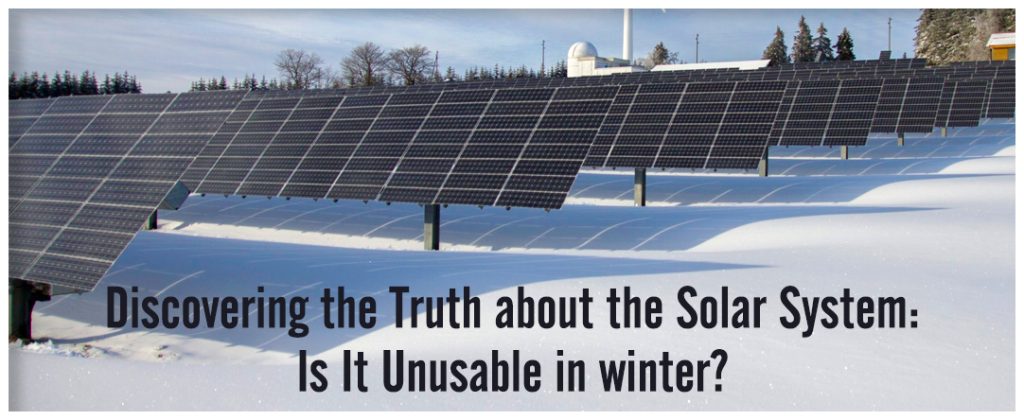
Even though solar panels are becoming increasingly popular worldwide, there are still many misconceptions about them. One of the most common is that they do not work in cold weather or during the winter season.
In reality, photovoltaic (PV) solar systems continue to produce reliable energy throughout the year. Understanding how cold temperatures affect solar performance allows homeowners and commercial operations to maximize their clean energy output year-round.
How Solar Panels Operate in Winter Climates
Solar panels generate electricity from light absorption, not heat. Photovoltaic modules often operate more efficiently in cooler temperatures because semiconductor materials experience less electrical resistance when cold, reducing heat-induced efficiency losses.
-
Summer Operation: High ambient heat causes panels to operate far above optimal temperature thresholds, slightly reducing overall voltage efficiency.
-
Winter Operation: Clear winter days with cold ambient temperatures allow PV cells to operate near peak voltage efficiency, partially offsetting shorter daylight hours.
Common Misconceptions About Solar Panels
Key Factors Affecting Winter Solar Output
While solar energy systems remain operational in winter, seasonal shifts introduce specific environmental factors:
-
Shorter Daylight Hours: Fewer daily peak sun hours reduce overall cumulative kilowatt-hour (kWh) generation.
-
Lower Sun Angle: Sunlight strikes panels at a flatter angle, requiring optimized tilt angles for maximum absorption.
-
Snow & Haze Cover: Accumulated snow or heavy winter fog can temporarily obstruct sunlight from reaching the silicon cells.
Best Practices for Designing Winter-Resilient Solar Systems
-
Optimal Panel Tilt: Adjusting mounting structures to a steeper angle helps shed snow naturally while catching low-angle winter sunlight.
-
Bifacial N-Type Modules: Using double-sided glass modules allows rear cells to capture sunlight reflecting off snow or bright roof surfaces.
-
Lithium Battery Backup: Pairing PV systems with high-density energy storage ensures uninterrupted power during extended overcast periods.
Winter Energy Storage & Inverter Solutions by Maxpower
Maintaining continuous power during short winter days and frequent grid disruptions requires durable, high-efficiency equipment. Products available through maxellpower.com deliver year-round system reliability:
-
High-Efficiency Bifacial Panels: The Maxpower MP 525W Bifacial Module captures direct sunlight on the front and reflected light on the rear, maximizing winter yields.
-
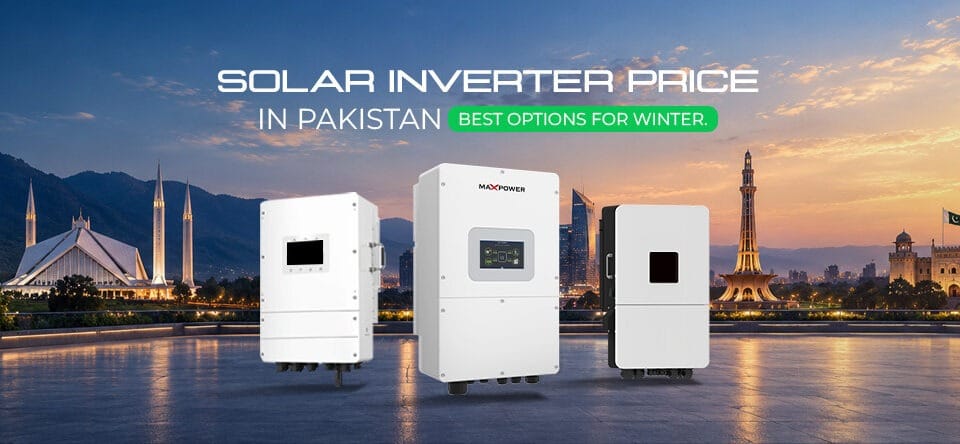
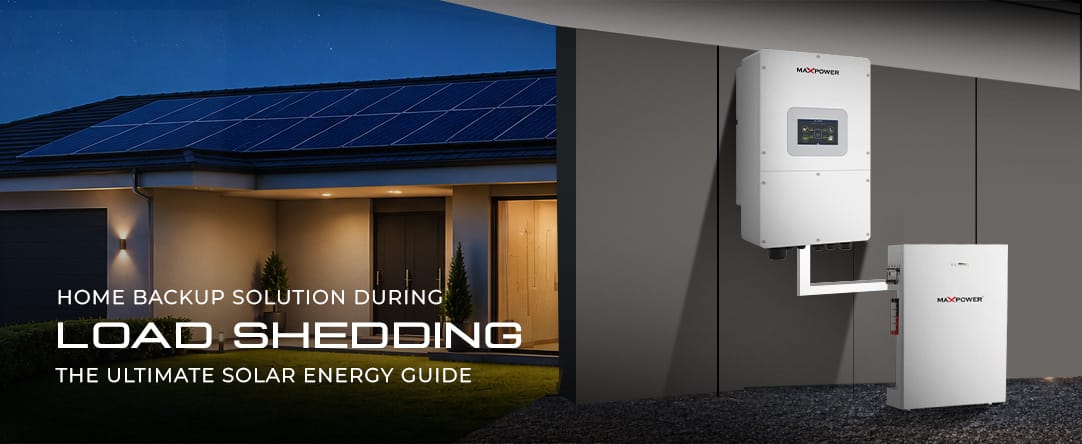
Hybrid Solar Inverters: Models like the Maxpower PV Tech 5000 automatically manage power flow between solar arrays, battery banks, and the grid during winter load-shedding.
-
Low-Temperature Energy Storage: The Maxpower MP-5000 Alpha Lithium Battery (5.12 kWh capacity, chemistry) provides dependable night backup and rapid charging performance.
To explore setup tips and load calculations, read our guides on selecting the best solar inverter for residential use and maximizing net metering benefits. View hardware datasheets on the official Maxpower Solar Catalog.
Frequently Asked Questions
Do solar panels produce electricity when covered with snow?
Heavy snow cover blocks light and temporarily pauses generation. However, because panels are dark and tilted, they absorb ambient warmth, causing snow to melt and slide off much faster than from standard roofs.
Are solar panels damaged by freezing temperatures?
No. Tier-1 solar panels are engineered and tested to withstand extreme sub-zero temperatures, hail impacts, and heavy snow loads without structural or electrical damage.
Why are lithium batteries better than lead-acid batteries in winter?
Lithium Iron Phosphate () batteries maintain higher usable depth of discharge (DoD) and retain voltage stability far better in cold conditions compared to legacy lead-acid batteries.
How can I clean snow off my rooftop solar panels safely?
Allowing snow to melt naturally is recommended. If manual cleaning is necessary, use a soft, non-abrasive solar rake from ground level. Never pour hot water on cold panels, as sudden thermal shock can crack the tempered glass.