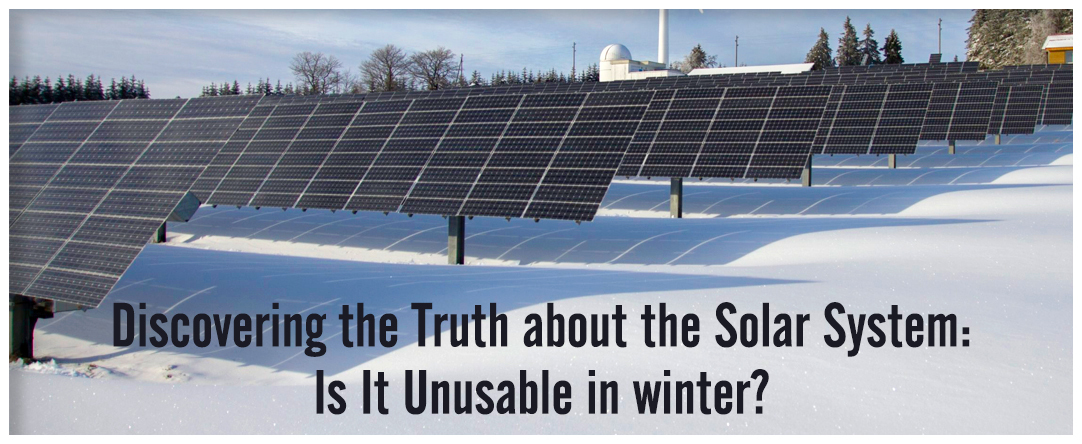
Discovering the Truth about the Solar System: Is It Unusable in winter?
December 14, 2022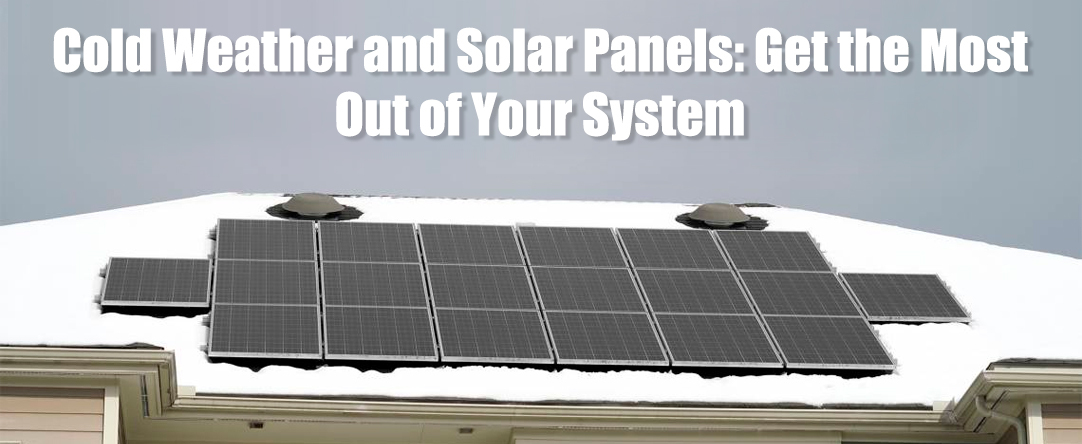
Cold Weather and Solar Panels: Get the Most Out of Your System
December 17, 2022
Installing a solar energy system during the colder months is a strategic move, but understanding how cold weather affects photovoltaic (PV) performance is essential. With modern PV tech—including N-type TOPCon modules, bifacial panels, and smart hybrid storage—winter installations offer distinct financial and operational advantages.
This guide covers the core benefits, key technical considerations, practical efficiency tips, and common myths about installing solar panels in winter.
Benefits of Installing Solar Panels in Winter
| Benefit | Practical Impact |
| Reduced Energy Bills | Offsets seasonal electricity demand spikes caused by heavy heating loads and higher winter tariffs. |
| Cool-Temperature Efficiency | Solar cells operate with lower electrical resistance in cold weather, boosting voltage and generation on clear days. |
| Long-Term Financial Savings | Cuts annual utility bills by 25% to 50% or more depending on system sizing, local rates, and net metering setups. |
| Installation Advantages | Lower off-peak installer demand means faster project scheduling, potential winter discounts, and safer roof temperatures for crews. |
| Climate & Environmental Impact | Produces zero operational emissions, reducing reliance on fossil fuels and lowering total CO₂ output year-round. |
Critical Factors to Consider Before Winter Installation
1. Weather Conditions & Timeline
-
Cold ambient temperatures can slow down the curing times of mounting sealants, adhesives, and flashing materials.
-
Snow, ice, and high winter winds require strict electrical safety measures and can occasionally pause outdoor work.
-
Shorter daylight hours reduce daily working windows, slightly extending the overall installation timeline.
2. Roof Condition and Structural Load
-
Ensure your roof structure can safely support the combined weight of solar racking, PV panels, mounting hardware, and heavy snow accumulation.
-
Inspect for shingle leaks, rot, or structural weak spots; repairing an aging roof before solar installation prevents costly uninstallations later.
3. Panel Orientation and Seasonal Tilt Angle
-
In the Northern Hemisphere, south-facing roofs deliver optimal winter sunlight exposure, though east- and west-facing arrays remain viable.
-
Adjusting panel tilt angles to a steeper pitch helps capture low winter sun angles while encouraging natural snow shedding.
4. Snow Accumulation & Winter Shading
-
Angled panel mounting allows light snow dustings to melt and slide off rapidly due to dark silicon glass absorbing sun heat.
-
In high-snow regions, install snow guards or keep non-abrasive clearing tools accessible.
-
Assess winter-specific shading patterns caused by bare trees, nearby structures, or chimneys during low solar arcs.
5. Electrical Safety & Permitting
-
Slippery roof conditions demand licensed installers trained in cold-weather fall protection and safety compliance.
-
Proper electrical grounding, weather-sealed conduits, and surge protection devices (SPDs) are mandatory to handle freeze-thaw moisture.
-
All local municipal building permits and utility grid approvals must be secured prior to mounting.
How to Maximize Efficiency for Winter Solar Systems
1. Optimize System Design with High-Efficiency Hardware
-
Deploy N-type TOPCon or Bifacial solar panels to maximize low-light performance. Bifacial panels convert both direct sunlight and ground-reflected light (albedo effect from snow).
-
Utilize DC power optimizers or microinverters (Module-Level Power Electronics) so shading or snow on one panel does not drag down the output of the entire string.
-
Size the system based on overall annual consumption rather than summer peaks alone.
2. Improve Home Insulation and Energy Efficiency
-
Upgrade attic, wall, and floor insulation while sealing drafts around windows and doors before installing solar.
-
Lowering baseline heating demand maximizes the portion of household energy covered by your winter solar generation.
3. Integrate Smart Hybrid Inverters & LiFePO4 Batteries
-
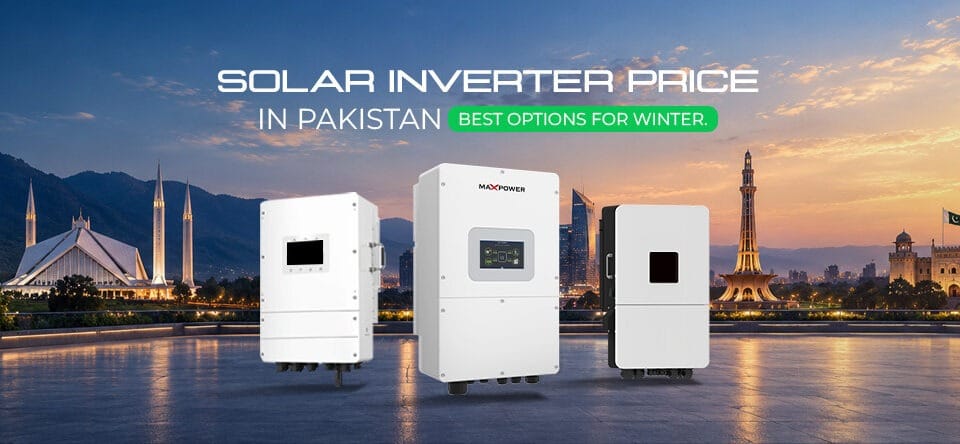
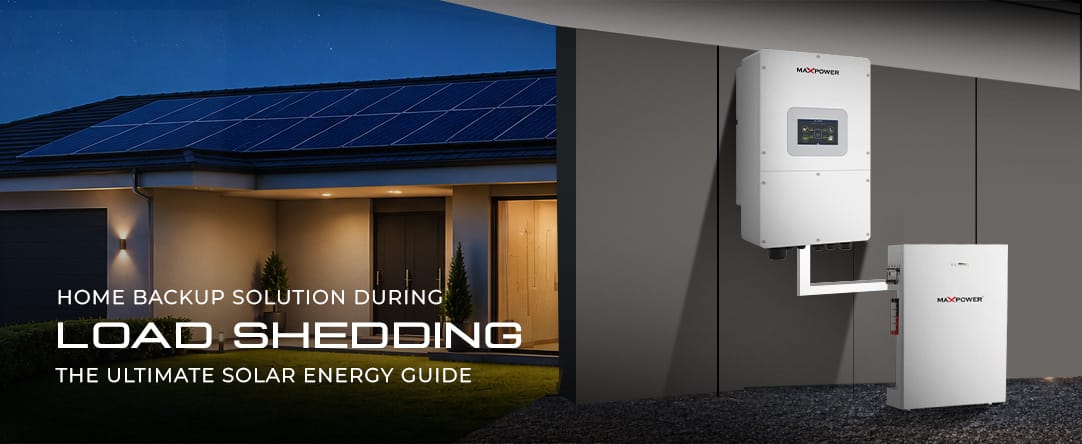
Pair your solar array with Max Power Hybrid Solar Inverters and LiFePO4 Lithium Batteries.
-
Hybrid systems store daytime solar energy for evening heating loads, provide seamless backup during winter grid outages, and optimize time-of-use (TOU) utility rates.
4. Plan for Maintenance and Snow Clearing
-
Maintain clear access pathways for safe routine inspection and panel cleaning.
-
Utilize mobile remote monitoring apps to track daily energy yield, system voltage, and early fault alerts.
5. Partner with Certified Solar Professionals
-
Choose installers experienced in winter climate installations who provide clear workmanship warranties, minimum production guarantees, and after-sales support.
Common Misconceptions About Winter Solar Debunked
Misconception 1: “Cold weather decreases solar panel efficiency by up to 50%.”
-
Fact: Solar panels convert light, not heat. Silicon PV cells operate more efficiently in cool temperatures than in hot summer conditions. Heat degrades efficiency by 0.3% to 0.5% per °C above 25°C. Lower winter production is strictly due to shorter days and lower sun angles, not cold temperatures.
Misconception 2: “Install more panels or use extra light bulbs to compensate for low output.”
-
Fact: Solar panels require direct natural solar irradiance. Adding artificial indoor light bulbs does not generate grid solar power. Compensation should focus on proper system sizing, steeper tilt angles, and high-efficiency N-type panels.
Misconception 3: “Trenching systems are specifically required for winter installations.”
-
Fact: Underground trenching for AC/DC wiring depends entirely on site layout, structural codes, and property design—it is not a seasonal installation requirement.
Frequently Asked Questions
Do solar panels generate electricity on cloudy or snowy winter days?
Yes, solar panels continue to produce electricity on cloudy and overcast winter days. Modern N-type TOPCon and bifacial panels capture diffuse and ambient sunlight. While heavy snow cover temporarily blocks light, dark panel glass absorbs solar heat, causing light snow to melt and slide off rapidly.
Why are solar panels sometimes more efficient in cold winter weather than in summer?
Cold ambient temperatures lower the internal electrical resistance of photovoltaic cells. Extreme summer heat causes voltage drops and efficiency losses. In contrast, clear, cold winter days allow solar panels to operate at peak voltage conversion efficiency.
What is the best panel tilt angle for winter solar performance?
A steeper tilt angle between 45° and 60° is optimal for winter solar generation in northern latitudes. This steeper angle aligns the panel face perpendicularly with the low winter sun arc and allows heavy snow accumulation to slide off naturally via gravity.
How does a hybrid solar battery system help during winter power outages?
A hybrid solar inverter paired with a LiFePO4 lithium battery automatically supplies stored solar energy to critical loads during outages. Smart hybrid inverters can also be programmed to charge batteries from the grid during cheap off-peak hours to power home heating systems during expensive peak rate windows.
Is it cheaper to install solar panels in the winter compared to summer?
Yes, winter can often be more cost-effective for homeowners. Solar installation companies experience lower seasonal demand during winter months, which frequently translates into faster permit approvals, shorter installation wait times, and flexible off-peak scheduling or promotional pricing.
Wrapping Up: Key Takeaways
Installing solar panels in winter is an effective way to lower seasonal electricity bills, gain backup energy independence, and cut carbon emissions.
-
Assess roof integrity and clear electrical permits before mounting.
-
Select N-type TOPCon panels and smart hybrid inverters for optimal low-light recovery.
-
Combine solar with lithium battery storage to navigate seasonal power outages and peak grid tariffs smoothly.