What to Consider before Installing Solar Panels in winter
December 14, 2022
Solar Panels: Your Energy-Saving Secret Weapon
December 17, 2022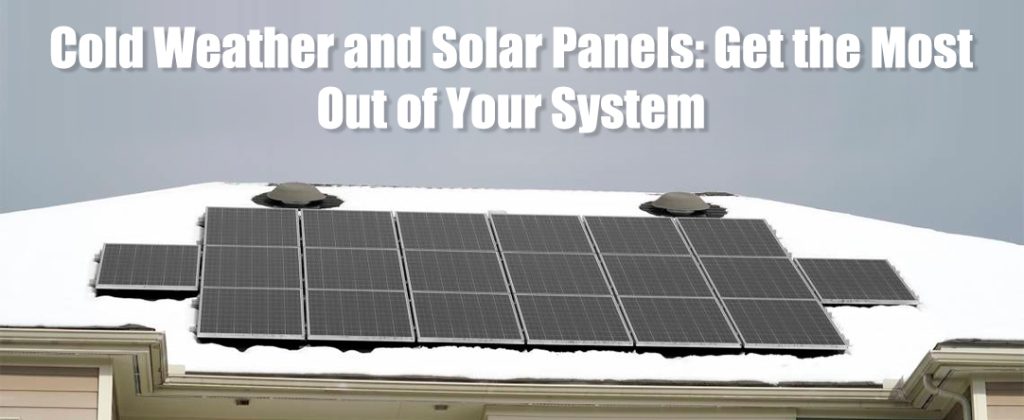
Maximizing Solar Panel Performance in Cold Weather & Winter Climates
Solar panels can be surprisingly effective in cold weather—sometimes even more efficient than in hot climates. However, winter conditions bring unique challenges like snow, shorter days, and lower sun angles. Whether you’re a homeowner or a business owner, optimizing your solar system for the colder months helps you get the most out of your investment.
This updated guide covers how solar panels behave in cold weather, practical tips to maximize winter performance, common myths, and key takeaways for cold-climate solar users.
How Solar Panels Perform in Cold Weather
1. Cold Temperatures Can Improve Efficiency
Solar panels are more efficient at lower temperatures, up to a point. High heat increases electrical resistance, reducing voltage and output. Cooler panels can produce slightly more power per unit of sunlight. On clear, cold days, instant power generation per peak sunlight hour often surpasses hot summer output.
2. Reduced Daylight Hours & Low Sun Angles
In winter, days are shorter, reducing total daily sun exposure. Lower sun angles mean panels receive light at a shallower angle, lowering peak production. This seasonal reduction in sunlight duration—not cold weather—is the primary reason overall monthly solar yield decreases during winter.
3. Snow and Ice Effects
A thin layer of snow can block sunlight and reduce output. Heavy snow buildup stops production entirely until panels are cleared. However, dark panel surfaces naturally absorb warmth and shed light snow quickly. Pairing efficient solar panels with robust Maxpower solar equipment ensures that whenever sunlight hits the array, power is harvested cleanly.
Benefits of Solar Panels in Cold Weather
-
Lower Heating Costs: Solar power offsets electricity used for heat pumps, space heaters, and electric water heaters. Utilizing solar to run electric geysers during winter significantly lowers gas reliance and utility bills. For an in-depth breakdown of winter cost-saving strategies, read our guide on running electric geysers on solar power in winter.
-
Reduced Dependence on Grid Power: Grid demand peaks in winter due to heavy heating loads. A reliable solar system reduces reliance on expensive or unstable grid supply during severe weather disruptions.
-
Environmental and Health Benefits: Solar generation reduces reliance on fossil-fuel power plants, lowering local air pollution and smog levels during winter months when indoor ventilation is reduced.
-
Long-Term Energy Savings: Solar energy stabilizes energy costs against seasonal utility tariff hikes, delivering predictable performance year-round.
Seasonal Solar Performance & Maintenance Checklist
| Winter Challenge | Operational Impact | Recommended Action & Solution |
| Low Sun Angle | Reduced sunlight strike angle and shorter exposure hours | Adjust panel tilt angle higher (~35°–40°) to maximize low-angle winter sunlight. |
| Snow & Dust Accumulation | Complete or partial string generation blockage | Use soft-bristle solar rakes or clean water; avoid harsh tools that scratch glass. |
| Battery Thermal Drop | Chemical discharge slowing in cold environments | Install lithium LiFePO4 batteries indoors or in insulated enclosures. |
| Short Daylight Charging | Narrower time window to recharge storage reserves | Pair panels with high-efficiency MPPT Maxpower hybrid inverters for fast charging. |
Tips for Maximizing Solar Performance in Cold Weather
-
Keep Panels Clean and Clear: Remove snow gently with a soft brush or solar rake designed for PV glass. Avoid metal tools or hot water, which can crack cold glass through thermal shock. Clear leaves, smog dust, and debris regularly to maintain peak conversion levels.
-
Optimize Tilt and Orientation: If adjustable mounts are installed, increase panel tilt in winter to better capture low-angle sunlight and allow snow to slide off easily. South-facing panels capture the most winter sunlight in the Northern Hemisphere.
-
Monitor Performance Closely: Track daily generation via your inverter’s monitoring app or web portal. Comparing seasonal output helps identify unexpected drops caused by shading, dirt, or wiring issues early.
-
Ensure Good Battery Management: Keep energy storage banks fully charged ahead of winter storms or scheduled load shedding. Modern lithium batteries (LiFePO4) perform significantly better in low temperatures than traditional lead-acid units, provided they are kept within recommended operating parameters.
-
Improve Home Insulation and Efficiency: Better building insulation reduces the load on space heaters and heat pumps, stretching solar energy further. Sealing drafts, insulating attics, and using energy-efficient LED lighting lowers overall household consumption.
-
Protect Your System from the Elements: Use weather-sealed enclosures (IP65/IP66) to shield wiring connections and power electronics against moisture, frost, and condensation.
Learn more about evaluating site readiness, tilt angles, and economic feasibility in our previous guide on evaluating solar panel efficiency and feasibility.
Common Myths About Solar Panels in Cold Weather
-
Myth: Solar panels don’t work in cold weather.
Fact: Solar panels convert light—not heat—into electricity. Cold temperatures actually enhance semiconductor conductivity, making panels operate more efficiently on sunny winter days.
-
Myth: Solar panels need direct, intense sunlight to function.
Fact: Photovoltaic cells generate power from indirect (diffuse) light on overcast or cloudy days, though output is highest under clear skies.
-
Myth: You must insulate the solar panels themselves.
Fact: Panels are built to withstand extreme outdoor weather cycles. Insulating panels is unnecessary and can trap excessive heat during warmer periods, reducing output.
-
Myth: Cold weather permanently damages solar panels.
Fact: Tier-1 solar modules undergo rigorous thermal cycling tests (from $-40^\circ\text{C}$ to $+85^\circ\text{C}$) to ensure long-term mechanical durability against ice and freezing temperatures.
Key Takeaways for Using Solar in Winter
-
Cold boosts efficiency: Cool temperatures improve panel output per hour of sunlight, offsetting part of the loss from shorter winter days.
-
Keep arrays clear: Regular cleaning and snow removal preserve daily solar generation.
-
Smart energy management: Combining high-efficiency panels, intelligent hybrid inverters, and well-managed lithium storage delivers uninterrupted power throughout the winter season. Explore more system optimization strategies on the official Maxpower Blog.
Frequently Asked Questions
Do solar panels produce electricity when covered in snow?
No, a thick blanket of snow completely blocks sunlight from reaching the solar cells, stopping power generation. However, because solar panels are dark and tilted, they absorb heat rapidly, causing light snow to melt and slide off much faster than from standard roofs.
Should I change my solar panel angle during winter?
If your mounting system features adjustable tilt angles, increasing the tilt by $10^\circ$ to $15^\circ$ during winter aligns the panels directly perpendicular to the lower winter sun, increasing energy yield and aiding snow shedding.
How do lithium batteries perform in cold winter weather?
Lithium Iron Phosphate (LiFePO4) batteries maintain strong discharge efficiency in cold weather. However, charging them below $0^\circ\text{C}$ without built-in thermal management can shorten their lifespan. Installing battery storage in a protected room or garage prevents cold degradation.
Is net metering beneficial for winter solar usage?
Yes. Net metering allows you to export excess electricity produced during high-yield summer months to the grid for credits, which offset higher winter grid consumption when heating loads increase.
Why is a hybrid solar inverter important during winter grid outages?
Winter weather increases grid disruptions and load shedding. A hybrid solar inverter seamlessly blends available daytime solar generation with stored battery power to keep essential heating, lighting, and water pumping loads running continuously without interruption.