How to Maintain Your Commercial Solar Panel System: Tips for Long-Term Success
June 10, 2023
Harness the Power of the Summer Sun with Solar Panels | Max Power
May 26, 2023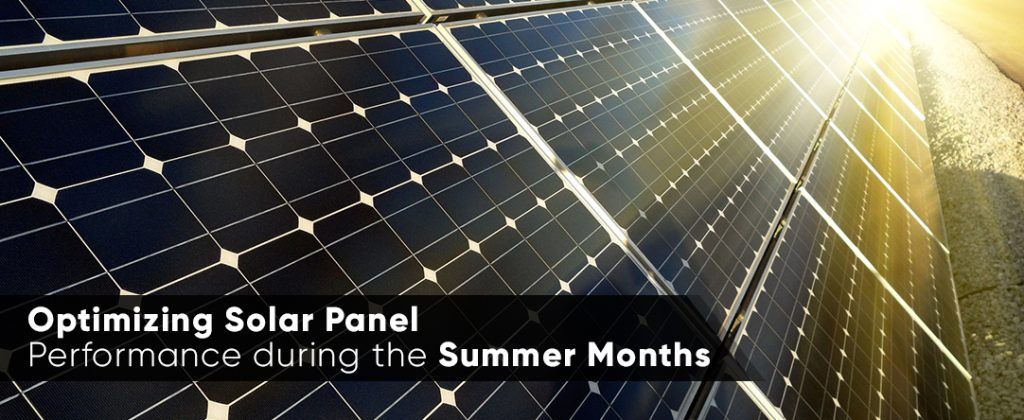
Are you curious about how solar panels work—and how to get the most out of them during Pakistan’s hot summer months? You’re not alone. As solar energy adoption grows worldwide, understanding how to optimize solar panel performance in summer becomes crucial, especially in sunny regions like Pakistan.
In this guide, we’ll explain:
- How summer affects solar panel efficiency
- Key factors that impact solar power output
- Practical tips to maximize solar panel performance in Pakistan’s summer
How Summer Affects Solar Panel Performance
During Pakistan’s summer, days are long and the sun is intense. It’s easy to assume solar panels are at their peak efficiency—but the reality is more nuanced.
Heat vs. Solar Panel Efficiency
A common misconception: more heat means more power. In fact, excessive heat can reduce solar panel efficiency.
Every solar panel has a temperature coefficient, typically around -0.3% to -0.5% per degree Celsius above 25°C (77°F).
On a very hot day, when panel temperatures can reach 65°C (149°F), efficiency can drop by roughly 20%.
So while sunlight is abundant in summer, high temperatures can lower your solar panel’s output.
Sunlight Intensity in Summer
Despite heat-related losses, summer offers a major advantage: intense sunlight.
- The sun is higher in the sky.
- Skies are often clearer.
- More photons hit the photovoltaic cells, generating more electric current.
Even with some efficiency loss from heat, solar panels in Pakistan can still produce more total energy in summer thanks to stronger, longer-lasting sunlight.
Longer Daylight Hours
Summer days are longer, especially in regions farther from the equator.
More daylight means more hours of electricity generation, which often outweighs the slight drop in efficiency from heat.
For Pakistan, where summer days are long and sunny, this translates to higher overall solar energy production.
Key Factors That Affect Solar Panel Performance
To optimize solar panel performance in summer, you need to understand the main factors at play.
1. Sunlight Exposure
Solar panels need direct sunlight to generate electricity.
Areas closer to the equator—like much of Pakistan—receive more intense sunlight, making them ideal for solar power.
2. Temperature
As discussed, temperature impacts solar panel efficiency.
Very hot conditions can reduce output, even on sunny days.
This is especially relevant in Pakistan’s summer, where temperatures often exceed 40°C.
3. Orientation and Tilt
The direction and angle of your panels significantly affect how much sunlight they capture.
- In the Northern Hemisphere (including Pakistan), panels should generally face south.
- The tilt angle should be optimized for your latitude to maximize year-round exposure.
Proper orientation ensures your panels catch the maximum summer sun.
4. Shade
Shading from trees, buildings, or other structures can dramatically reduce solar panel output.
Even partial shading on one panel can affect the whole string.
In summer, when the sun’s path changes, recheck for new shading patterns around your panels.
5. Maintenance and Age
- Dust, pollen, and bird droppings can block sunlight.
- Over time, panels degrade naturally, producing slightly less electricity each year.
Regular cleaning and inspections help maintain peak solar panel performance.
6. Quality of Equipment
High-quality solar panels and inverters:
- Have better temperature coefficients
- Offer higher efficiency ratings
- Last longer with less degradation
Investing in reliable solar equipment pays off in long-term performance, especially in harsh summer conditions.
How to Optimize Solar Panel Performance in Summer – Pakistan Tips
Summer in Pakistan offers ideal conditions for solar energy, but you must manage heat and maintenance carefully. Here are practical tips to maximize solar panel performance.
1. Proper Installation and Orientation
- Ensure panels face south (in Pakistan) for optimal sun exposure.
- Adjust the tilt angle based on your location—slightly flatter in summer, steeper in winter if adjustable.
- Work with a reputable solar installer in Pakistan to design a system that maximizes summer output.
2. Regular Cleaning and Maintenance
- Clean panels regularly, especially in dry, dusty summer months.
- Remove dust, bird droppings, and debris that block sunlight.
- Follow manufacturer guidelines or hire professional solar cleaning services in Pakistan to avoid damage.
3. Cooling and Ventilation
- Allow airflow behind the panels to dissipate heat.
- Avoid mounting panels too close to the roof; leave space for ventilation.
- In very hot areas, consider ventilated mounting systems or consult a professional about cooling options.
4. Choose Heat-Resistant Solar Panels
If you’re in a particularly hot region of Pakistan:
- Look for panels with a better temperature coefficient (closer to zero).
- Consider newer technologies designed for high-temperature performance.
- Discuss options with your solar provider in Pakistan to find panels suited to local climate.
5. Monitor Performance and Adjust Settings
- Use inverter monitoring or solar apps to track daily output.
- Compare summer performance with other seasons.
- If you notice a drop, check for:
- Shading changes
- Dirty panels
- Inverter issues or overheating
Early detection helps you maintain optimal solar panel performance.
Common Questions About Solar Panel Performance in Summer
Q: Do solar panels work better in summer?
A: They often produce more total energy in summer due to longer, brighter days, but efficiency per panel can drop slightly because of heat. Overall, summer is usually the highest production season in Pakistan.
Q: How often should I clean solar panels in Pakistan’s summer?
A: In dusty areas, once every 1–2 months is often recommended. After heavy dust storms or long dry spells, check and clean as needed.
Q: What is the best angle for solar panels in summer?
A: In Pakistan, a tilt close to your latitude is generally good. For pure summer optimization, a slightly flatter angle can help, but year-round average is usually best.
Q: Can high temperatures damage solar panels?
A: Modern panels are designed to handle high temperatures, but extreme heat can reduce efficiency. Proper installation, ventilation, and quality equipment minimize risks.
Conclusion: Make the Most of Pakistan’s Summer Sun
Understanding how summer conditions affect solar panel performance is key to maximizing your solar investment in Pakistan.
By focusing on:
- Proper orientation and installation
- Regular cleaning and maintenance
- Adequate cooling and ventilation
- Choosing high-quality, heat-tolerant equipment
you can ensure your solar panels operate at peak efficiency throughout the hot summer months.
For personalized advice on optimizing your solar system in Pakistan, consult a trusted local solar provider who understands Pakistan’s climate and energy needs.