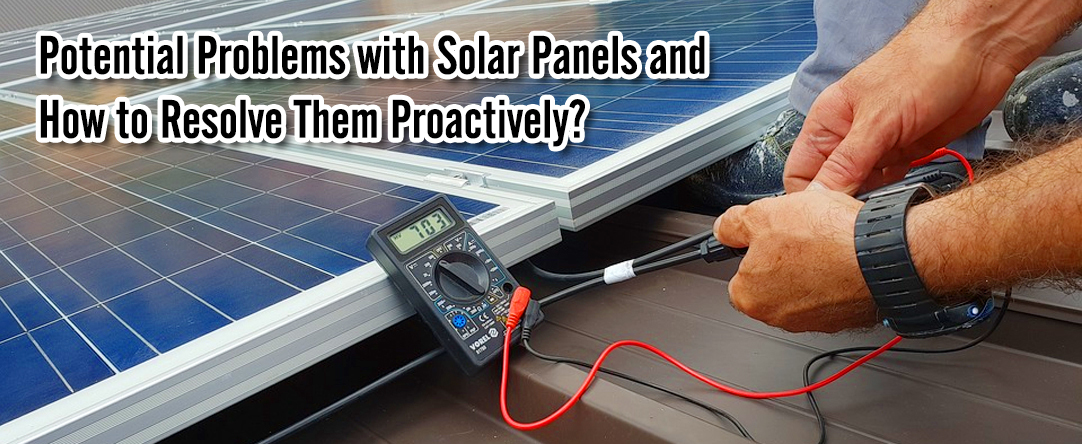
Potential Problems with Solar Panels and How to Resolve Them Proactively?
June 12, 2023
Shining Bright: Optimizing Solar Panel Performance during the Summer Months
June 1, 2023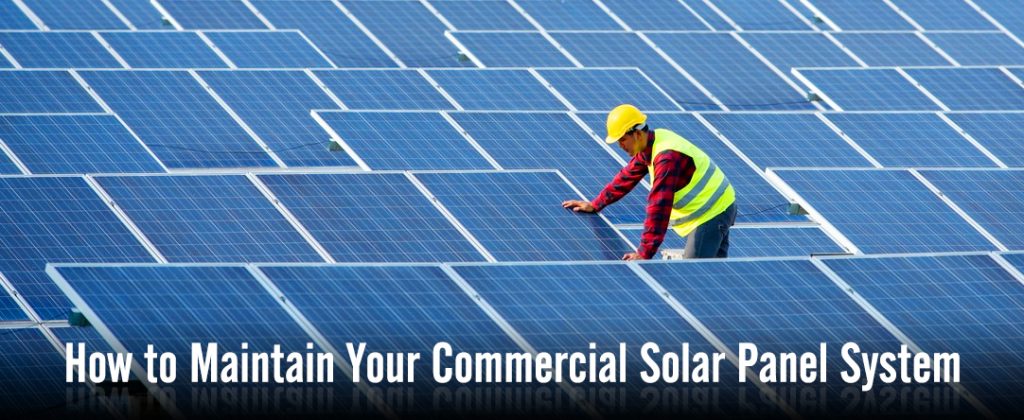
Investing in a commercial solar panel system is the first step toward sustainable and cost-effective energy management. The next critical phase is proactive, scheduled maintenance.
Proper maintenance directly impacts your commercial solar system’s output, warranty validity, and operational safety. Below is a structured guide detailing why regular upkeep matters, essential maintenance protocols, and professional solutions tailored for Pakistan’s climate.
The Financial & Operational Importance of Maintenance
| Maintenance Objective | Operational Impact | Financial Benefit |
| Maximizing System Output | Prevents energy loss from dust, bird droppings, and industrial debris buildup. | Prevents revenue losses caused by even a 1% to 5% drop in generation efficiency across large arrays. |
| Preventing Severe Failure | Identifies loose connections, thermal hot spots, and corrosion before component failure occurs. | Eliminates unexpected downtime, high repair costs, and emergency component replacements. |
| Extending Asset Lifespan | Maintains inverter health and panel integrity over a 25 to 30-year operational lifecycle. | Protects your capital investment and ensures predictable long-term energy yields. |
| Warranty Compliance | Satisfies manufacturer terms requiring documented maintenance logs. | Keeps 25-year panel performance warranties and inverter guarantees fully active. |
| Site Safety & Fire Risk | Detects damaged wiring, arc risks, and ground faults early. | Prevents electrical fires, hazards, and commercial facility insurance issues. |
Commercial Solar Maintenance Essentials
1. Structured Inspection Protocol
Commercial solar arrays should undergo comprehensive physical and electrical inspections at least twice a year, as well as immediately following severe windstorms or heavy rain events.
-
Physical Structure Checks: Inspect mounting racks, torque marks on bolts, module glass integrity, and anti-corrosion coatings.
-
Electrical System Audits: Check DC/AC isolators, junction boxes, Type 1/Type 2 SPDs, inverter terminal tightness, and earthing/grounding connections.
-
Thermal Imaging Inspection: Utilize handheld infrared (IR) cameras or drone thermography to detect microcracks, cell hot spots, and bypass diode failures.
2. Panel Cleaning Strategies
[ Clean Panel Glass ] ───► Maximum Irradiance ───► Optimal MPPT Yield ───► Peak ROI
[ Dusty/Sullied Glass ] ───► Light Blockade ───► Thermal Hot Spots ───► Output Deficit
-
DIY / In-House Maintenance: Suitable for accessible, low-tilt ground mounts or single-story roofs. Use deionized water with a soft, non-abrasive microfiber brush or squeegee. Never clean hot panels during peak afternoon sunlight, as thermal shock can crack the glass. Perform cleaning at dawn or dusk.
-
Professional Commercial Maintenance: Highly recommended for large rooftop installations, elevated structures, or industrial sites exposed to heavy dust, cement residue, or oily grime. Automated washing systems or certified height-safety cleaning teams ensure thorough clearing without damaging module anti-reflective coatings.
Addressing Climate-Specific Maintenance Challenges in Pakistan
Operating commercial solar systems in Pakistan involves specific environmental stress factors:
-
High Airborne Dust & Silica: Dry seasons in regions like Punjab and Sindh lead to rapid dust accumulation. Scheduled monthly or bi-weekly cleaning cycles are necessary to prevent heavy output degradation.
-
Monsoon Moisture & High Humidity: Coastal areas like Karachi require specialized anti-corrosion gel on exposed copper terminals and IP65/IP66 junction box seals to prevent arcing and water ingress.
-
Extreme Thermal Stress: Summer temperatures crossing 40°C strain internal inverter electronics. Cleaning inverter cooling fins and verifying fan operation prevents thermal derating during peak generation hours.
Frequently Asked Questions
How often should commercial solar panels be cleaned in Pakistan?
Commercial solar panels in Pakistan should be cleaned every 2 to 4 weeks during dry, dusty seasons. Near industrial zones or main highways, more frequent cleaning is required to prevent soot and dust from reducing total energy generation.
Can dirty solar panels void my manufacturer warranty?
Yes, failing to maintain your solar array can void your warranty. Most tier-1 panel manufacturers and DISCO net-metering regulations require proof of routine maintenance and proper upkeep to honor performance and replacement warranties.
What is the safest time of day to wash commercial solar panels?
The safest time to wash solar panels is early morning at dawn or late afternoon at dusk. Cleaning panels when they are hot under direct sunlight can cause thermal shock, cracking the protective tempered glass.
Why is thermal imaging (IR inspection) important for commercial solar arrays?
Thermal imaging identifies invisible microcracks, faulty bypass diodes, and hotspot cells. Hotspots restrict current flow and can burn through panel backing, creating serious fire hazards and reducing array output.
What maintenance does a commercial hybrid or on-grid solar inverter require?
Inverter maintenance includes cleaning air intake filters, checking error logs, verifying AC/DC surge protection devices (SPDs), and tightening electrical terminal connections. Keeping inverter heat sinks free of dust ensures efficient power conversion during peak summer heat.
Partnering with Max Power for Commercial Maintenance
Ensuring long-term return on investment requires a dedicated O&M (Operations & Maintenance) partner. Max Power provides end-to-end commercial solar maintenance services across Pakistan—including thermal inspections, specialized washing protocols, inverter diagnostics, and preventive electrical maintenance.
Protect your commercial solar asset and maintain peak generation capacity. Contact Max Power today to schedule a site audit or establish a custom commercial maintenance agreement.