Choosing the Best Solar Inverter for Your Home—Solar Inverter Guide 2021
November 13, 2021
8 Things About Solar System That You Must Consider Before Buying Them
March 8, 2022
More and more people are switching to solar energy—driven by rising electricity costs, frequent load shedding, and a growing awareness of environmental issues. Solar systems are cost‑effective, durable, reliable, and eco‑friendly, and installation is now simpler than ever.
But one of the biggest challenges when going solar is choosing the right type of system. Since solar is a long‑term investment, it’s important to understand your options and pick the system that best fits your needs, budget, and local conditions. The two most common solar setups in 2026 are:
Below, we’ll explain how each system works, its pros and cons, and how to decide which one is right for you.
On‑Grid Solar System
On‑grid (or grid‑tied) solar systems are widely used in homes and businesses, especially where the grid is relatively stable and net metering is available.
How It Works
An on‑grid solar system is directly connected to the public electricity grid. It typically includes:
- Solar panels – convert sunlight into DC electricity.
- On‑grid inverter – converts DC to AC power for your home.
- Net meter – measures both electricity imported from and exported to the grid.
Key points:
- No batteries – the system does not store energy.
- During the day, solar power runs your appliances. Any excess is sent to the grid.
- At night or when solar production is low, you draw power from the grid.
- Through net metering, you get credits (or payments) for the surplus energy you export. These credits offset the cost of electricity you take from the grid later.
Pros of On‑Grid Systems
- Lower Upfront Cost
Since there are no batteries, on‑grid systems are more affordable to install. You save on battery costs, which can be a significant part of the total system price. - Net Metering Benefits
You can earn credits or payments for excess solar energy exported to the grid. In many regions, this can drastically reduce or even eliminate your electricity bill. - Simple Maintenance
With no batteries to maintain, the system is relatively low‑maintenance. Regular panel cleaning and occasional inverter checks are usually sufficient. - High Efficiency
On‑grid inverters are optimized for grid interaction and often achieve high conversion efficiency (97–99%).
Cons of On‑Grid Systems
- No Power During Grid Outages
For safety reasons, on‑grid systems shut down when the grid fails. This means no backup power during load shedding or blackouts. - Dependence on Grid and Policies
Your savings depend on net metering policies and grid stability. If policies change or the grid is unreliable, your benefits may be reduced. - No Energy Storage
You can’t store solar energy for later use. Any unused daytime energy must be exported immediately; you can’t “save” it for nighttime unless you add batteries separately.
Hybrid Solar System
Hybrid solar systems combine the best of both on‑grid and off‑grid setups. They include battery storage while remaining connected to the grid.
How It Works
A hybrid system typically includes:
- Solar panels
- Hybrid inverter – manages solar, battery, and grid power
- Batteries – store excess solar energy
- Grid connection – for backup and net metering
Key points:
- During the day, solar power runs your home and charges the batteries.
- Excess energy can be stored in batteries or exported to the grid.
- At night or during outages, the system uses battery power first. If batteries are low, it draws from the grid.
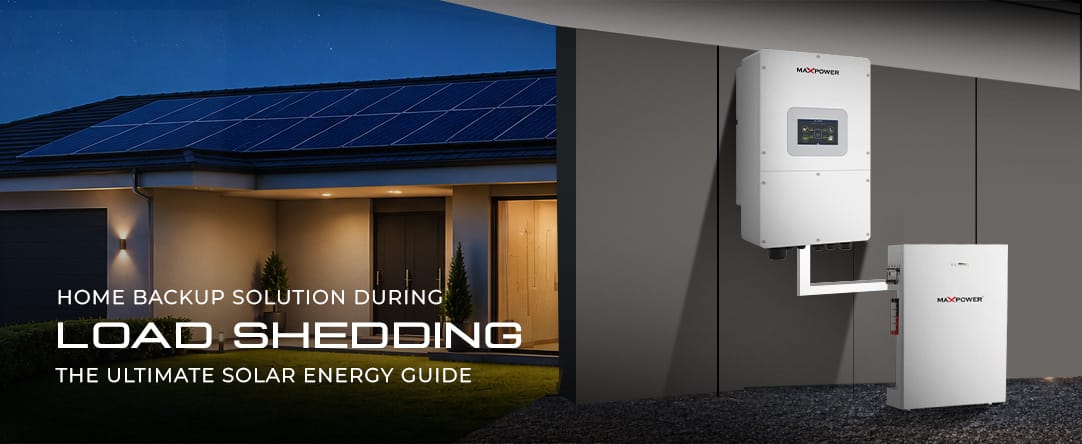
- Hybrid inverters can isolate your home from the grid during outages (islanding), providing uninterrupted power.
Pros of Hybrid Systems
- Backup Power During Outages
Hybrid systems provide reliable backup during load shedding or blackouts. This is especially valuable in areas with frequent power cuts. - Maximized Self‑Consumption
You can use stored solar energy during peak tariff hours (when grid electricity is most expensive), increasing your savings. - Reduced Dependence on Grid Policies
With battery storage, you’re less affected by changes in net metering rules or grid instability. You can still save significantly even if export rates are low. - Flexibility and Scalability
Many hybrid systems allow you to add more batteries later without replacing the inverter. This makes it easier to expand your storage capacity as your needs grow. - Better Energy Management
Smart hybrid inverters often include energy management features, such as time‑of‑use optimization and remote monitoring via apps.
Cons of Hybrid Systems
- Higher Upfront Cost
Hybrid systems are more expensive than on‑grid systems due to the cost of batteries and hybrid inverters. - Battery Maintenance and Replacement
Batteries require proper charging, temperature control, and periodic maintenance. They also have a limited lifespan:- Lead‑acid batteries: ~3–7 years
- LiFePO4 batteries: ~10–15 years (often longer with good care)
- More Complex Installation
Hybrid systems involve more components and wiring, so installation is more complex and should be done by experienced professionals.
How to Choose Between On‑Grid and Hybrid
Your choice depends on your budget, location, and energy needs. Here’s a simple guide:
Choose On‑Grid If:
- You have a stable grid with few outages.
- Net metering is available and favorable in your area.
- You want to minimize upfront cost.
- You don’t need backup power for essential loads.
- Your main goal is to reduce electricity bills rather than ensure uninterrupted supply.
Choose Hybrid If:
- You experience frequent load shedding or blackouts.
- You need backup power for critical appliances (e.g., medical equipment, work‑from‑home setup, refrigeration).
- You want to maximize self‑consumption and reduce dependence on the grid.
- You’re willing to invest more upfront for long‑term reliability and savings.
- You plan to expand storage in the future (e.g., adding EV charging or more loads).
Frequently Asked Questions
Why are hybrid systems more expensive than on‑grid systems?
Hybrid systems include batteries and hybrid inverters, which add significant cost. On‑grid systems skip batteries, so they’re cheaper to install. However, hybrid systems offer backup power and greater energy independence, which can justify the higher investment.
How do hybrid systems provide power when there’s no solar energy?
Hybrid systems store excess solar energy in batteries during the day. At night or during cloudy weather, they use this stored energy. If the grid fails, the hybrid inverter can isolate your home from the grid and run essential loads from the batteries (islanding mode).
Why am I not saving much money after switching to solar?
Common reasons include:
- Unfavorable net metering policies – if your utility doesn’t offer good rates for exported energy.
- Shading or soiling – trees, dust, or shadows reduce panel output.
- Undersized system – if your system is too small for your usage, you’ll still rely heavily on the grid.
- High standby loads or inefficient appliances – if your baseline consumption is high, solar may not cover it fully.
A professional energy audit and proper system sizing can help address these issues.
Can I run my entire house on solar energy?
Yes, it’s possible to power a whole house with solar, but it depends on:
- Daily energy usage – higher usage requires more panels and storage.
- Roof space and orientation – enough unshaded area for panels.
- Battery capacity – sufficient storage to cover nighttime and cloudy days.
- Efficient appliances – LED lights, inverter ACs, and energy‑efficient devices reduce the load.
With careful design and the right components, many homes can achieve near‑total energy independence.
Summary
Both on‑grid and hybrid solar systems convert sunlight into usable electricity, but they serve different needs:
- On‑grid systems are cost‑effective and simple, ideal where the grid is stable and net metering is available. They reduce bills but offer no backup during outages.
- Hybrid systems provide backup power and greater independence, making them suitable for areas with frequent load shedding or for users who prioritize reliability. They cost more but offer higher long‑term value and flexibility.
In 2026, with advanced inverters, efficient panels, and improved battery technology (especially LiFePO4), both options are more attractive than ever. By understanding your local conditions, energy needs, and budget, you can choose the solar system that best fits your lifestyle and goals.