Hybrid Solar System Vs On-Grid Solar System—Which One is Better?
December 28, 2021
A Complete Guide to Solar Cells & PV Technology in 2026
March 27, 20228 Things About Solar System That You Must Consider Before Buying Them

Electricity costs are rising, making solar panel systems an increasingly popular alternative to conventional thermal and grid-supplied power. While solar energy provides significant cost savings and environmental benefits, evaluating key technical and operational factors before installation ensures long-term efficiency and strong returns on investment.
Critical Factors to Evaluate Before Going Solar
1. Long-Term Energy Needs vs. System Sizing
Solar installations should match actual household consumption patterns. Low-consumption households may not achieve rapid financial payback. However, for properties anticipating higher energy demands—such as growing families, tenants, or added air conditioning loads—installing a photovoltaic (PV) system provides long-term financial relief.
2. System Maintenance Requirements
Solar panels do not contain moving parts, but atmospheric dust, soot, and bird droppings gradually reduce generation output.
-
Cleaning Schedule: Panels require cleaning multiple times a year depending on local dust levels.
-
Thermal Stress Warning: Panels should never be washed with cold water during hot daylight hours, as extreme thermal shock can cause glass cracking.
3. Grid Approvals & Permitting
Connecting an on-grid or hybrid system to local distribution networks (DISCOs) requires technical compliance, including single-line diagram approvals and bi-directional net metering permits.
Solar Panel Degradation Rates Over Time
Solar PV panels experience gradual efficiency reduction rather than sudden failure over their operational lifecycle:
| Operational Timeline | Expected Output Retention | Impact on System Generation |
| Year 1 | 98% – 99% | Baseline maximum output capacity |
| Year 10 | 92% – 95% | Minimal efficiency loss, steady performance |
| Year 25 | 80% – 85% | Continued generation well past capital payback |
Grid Outages vs. Backup Power Capability
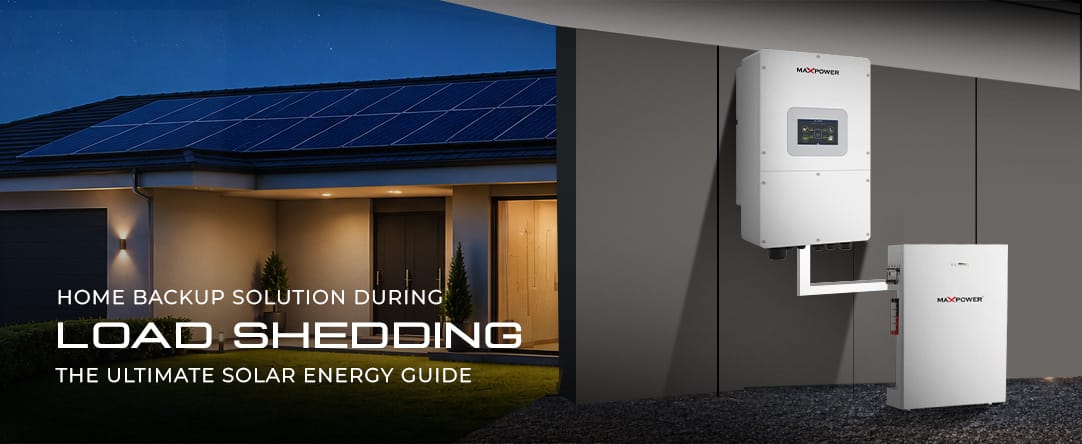
Standard grid-tied (on-grid) inverters automatically shut down during power outages for safety (anti-islanding protection). To maintain continuous backup power during load shedding, systems must integrate battery storage or a hybrid solar inverter.
-
Hybrid Inverter Function: Seamlessly switches essential appliances to battery power during grid failures.
-
Lithium Battery Storage: High-density deep-cycle storage ensures nighttime and emergency power backup.
Equipment Quality & Warranty Standards
-
PV Panel Warranties: Typically include a 10 to 12-year product material warranty and a 25 to 30-year linear performance guarantee.
-
Inverter Warranties: Standard coverage ranges from 5 to 10 years, with options for extended service agreements.
-
Battery Warranties: High-grade lithium storage systems carry warranties based on time (e.g., 5 to 10 years) and operational cycle counts (e.g., 6,000+ cycles).
Roof Assessment & Orientation Guidelines
-
Structural Integrity: Ensure roof structures can support the physical weight of mounting racks and panels for 25+ years.
-
Shading Issues: Trim nearby trees or avoid shadows cast by chimneys and neighboring structures.
-
Tilt & Orientation: South-facing rooftops with optimal tilt angles deliver maximum daily irradiance, though east/west roof orientations remain effective with modern high-efficiency panels.
Advanced Hardware Solutions by Maxpower
Selecting durable, climate-adapted solar equipment is essential for maximum generation efficiency. Systems available through maxellpower.com deliver complete operational stability:
-
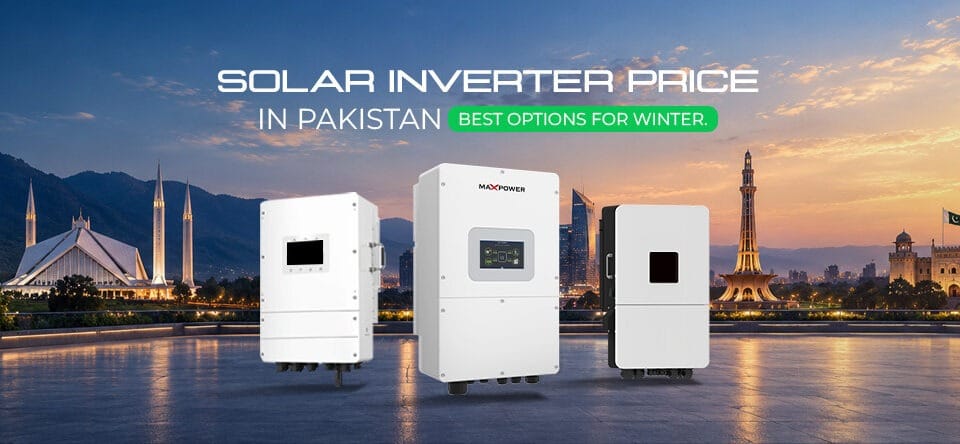
Hybrid Inverters: Advanced units like the Maxpower PV Tech 5000 (3.6 kW output with 5000W PV input) feature wide MPPT operating ranges and ultra-fast 10 ms transfer times during grid outages.
-
Lithium Energy Storage: Deep-cycle Maxpower MP-5000 Alpha Lithium Batteries feature smart BMS integration and long operational life.
-
High-Efficiency PV Modules: High-wattage panels designed to resist thermal stress and operate effectively in high ambient temperatures.
For complete hardware guides, review our articles on buying the best solar inverter for home use and understanding net metering frameworks. Access product specification sheets on the official Maxpower Solar Catalog.
Frequently Asked Questions
Do solar panels generate power during grid outages?
Standard grid-tied inverters automatically shut off during grid outages to prevent back-feeding into power lines. To run appliances during an outage, you must pair your panels with a hybrid solar inverter and battery storage.
How often should solar panels be cleaned to maintain efficiency?
In dusty or urban environments, panels should be cleaned once or twice a month using plain water and soft squeegees. Always clean panels early in the morning or late in the evening to avoid thermal shock damage.
How much output do solar panels retain after 10 years of use?
Tier-1 photovoltaic modules degrade slowly at a rate of 0.3% to 0.5% per year, typically retaining 92% to 95% of their original output capacity after 10 years of operation.
How do I calculate my monthly electricity consumption to size a solar system?
Review your monthly utility bill to check the total kilowatt-hours (kWh) consumed, peak/off-peak billing rates, and fuel price adjustments. A standard 5 kW hybrid solar setup generally covers monthly consumption ranging between 500 to 700 units.
Will installing a solar panel system increase property resale value?
Yes. Turnkey solar power systems lower monthly operating costs for prospective buyers, significantly increasing property valuation and marketability.