Net Metering: A Game-Changer for Reducing Electricity Bills and Going Negative
July 4, 2023
On-Grid, Off-Grid, and Hybrid Solar System: A Comprehensive Guide to Choosing the Right System
June 22, 2023
The sun—an abundant, renewable energy source—has powered humanity for centuries, but only in recent years have we truly begun to tap its full potential. One of the most impactful innovations is the hybrid solar system , a smart combination of grid-tied and off-grid solar technologies. But what exactly is a hybrid solar system? And why is it often called the best of both worlds , especially in a country like Pakistan?
The Evolution of Solar Power Systems
Solar power systems have evolved dramatically from their early days. Initially, we relied on simple standalone solar setups, but they had a major limitation: they only generated power when the sun was shining. This led to the development of two main types of solar systems: on-grid (grid-tied) and off-grid .
- On-grid solar systems connect directly to the utility grid. They can export excess power but shut down during outages.
- Off-grid solar systems operate independently, relying on batteries—but they lack grid backup entirely.
Neither system fully met the needs of homes and businesses facing frequent power cuts and rising electricity bills. This gap gave rise to the hybrid solar system , which merges the reliability of the grid with the independence of battery storage.
What is a Hybrid Solar System?
A hybrid solar system is a solar setup that:
- Uses solar panels to generate electricity
- Stores excess energy in batteries
- Remains connected to the utility grid
In simple terms, it combines:
- Solar panels
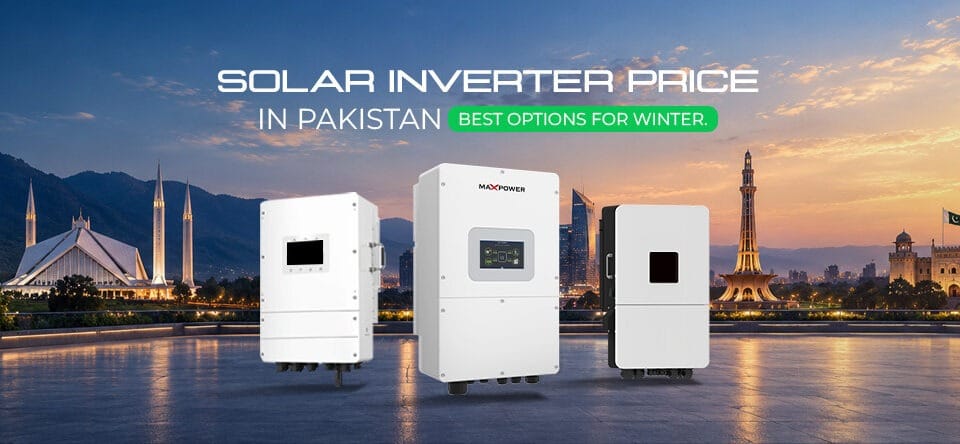
- A hybrid solar inverter
- A battery bank (often lithium batteries )
- And, optionally, a charge controller
This configuration allows you to:
- Use solar power when it’s available
- Store extra energy for night use or outages
- Fall back on the grid when needed
For Pakistan , where load-shedding and high electricity costs are common, hybrid systems offer a practical, long-term solution.
Components of a Hybrid Solar System
A typical hybrid solar system in Pakistan includes four key components:
1. Solar Panels
Solar panels are the heart of the system. They capture sunlight and convert it into electricity. The quality and efficiency of the panels directly impact how much power your system produces.
2. Hybrid Solar Inverter
The hybrid solar inverter is the brain of the system. It:
- Converts DC electricity from the panels into AC for your home
- Manages charging and discharging of the battery
- Switches between solar, battery, and grid power as needed
Popular hybrid solar inverter brands in Pakistan include Livoltek, GoodWe, Huawei, and Crown Micro.
3. Battery Storage
The battery stores surplus solar energy for use at night or during outages. Lithium batteries are increasingly preferred in Pakistan due to their longer lifespan, higher efficiency, and falling prices.
4. Charge Controller
A charge controller regulates the voltage and current from the panels to the battery, preventing overcharging or deep discharge. This extends battery life and improves system reliability.
How a Hybrid Solar System Works
The operation of a hybrid solar system changes depending on the time of day and grid conditions.
Daytime Operation
- Solar panels generate electricity.
- Power is used to run your home or business.
- Excess energy charges the battery.
- If the battery is full, surplus power can be exported to the grid (where net metering is available).
Nighttime or Low-Sunlight Operation
- The system draws power from the battery.
- If the battery is depleted, it automatically switches to grid power.
- This ensures uninterrupted electricity , even during outages.
During a Grid Outage
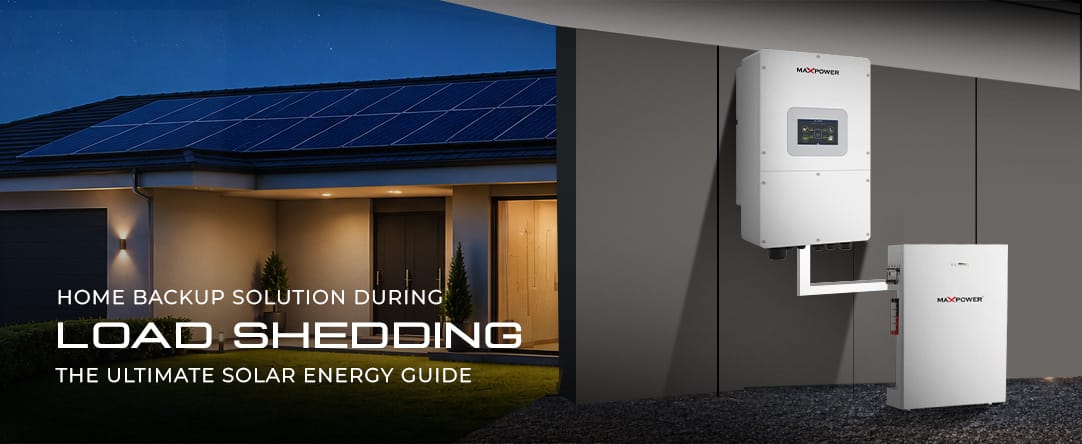
- Unlike a standard on-grid system, a hybrid solar system with battery backup can continue supplying power from the battery.
- This is a major advantage in Pakistan, where frequent load-shedding disrupts daily life and business operations.
Advantages of Hybrid Solar Systems
Hybrid solar systems offer several key benefits over traditional on-grid or off-grid setups.
1. Energy Independence with Grid Backup
You gain greater control over your electricity:
- Use solar power during the day
- Use stored battery power at night
- Rely on the grid only when necessary
This combination is ideal for homes and businesses in Pakistan seeking both energy independence and grid security .
2. Uninterrupted Power Supply
With a hybrid solar system , you can keep lights and essential appliances running even during grid failures. This is especially valuable for:
- Residential users tired of load-shedding
- Commercial and industrial setups needing continuous operation
- Agricultural operations relying on solar-powered tube wells
3. Cost Savings Over Time
- By maximizing solar usage, you reduce dependence on expensive grid electricity.
- With net metering in Pakistan , you may earn credits for excess power exported to the grid.
- Although the initial cost of a hybrid solar system is higher than on-grid-only systems, falling battery prices and long-term savings make it a smart investment.
4.Flexibility and Scalability
You can start with a smaller system and expand later by:
- Adding more panel
- Upgrading the hybrid solar inverter
- Increasing battery capacity
This makes hybrid systems suitable for a wide range of budgets and energy needs.
Potential Drawbacks and Solutions
Like any technology, hybrid solar systems have some challenges, but most can be managed effectively.
1. Higher Initial Cost
- The inclusion of batteries increases upfront costs compared to on-grid-only systems.
- However, battery prices in Pakistan are dropping, and many providers offer financing or installment plans.
- Government incentives and net-metering policies also improve affordability.
2.Battery Maintenance and Lifespan
- Batteries require regular maintenance and have a finite lifespan.
- Modern lithium batteries require less maintenance and last longer than traditional lead-acid batteries.
- Following manufacturer guidelines and scheduling professional inspections can maximize battery life.
3. System Programmability
- Hybrid systems are more complex to design and install than simple on-grid systems.
- Working with experienced solar companies in Pakistan ensures proper sizing, installation, and compliance with local regulations.
Hybrid vs On-Grid vs Off-Grid Solar Systems
Understanding the differences helps you choose the right system for your needs.
| Feature | On-Grid System | Off-Grid System | Hybrid Solar System |
|---|---|---|---|
| Grid Connection | Yes | No | Yes |
| Battery | No | Yes | Yes |
| Power During Outages | No | Yes | Yes |
| Export to Grid | Yes | No | Yes (with net metering) |
| Big For | Areas with stable grid | Remote Area Without Grid | Areas with outages & high bills |
For most homes and businesses in Pakistan , a hybrid solar system strikes the best balance between cost, reliability, and independence.
Installation and Setup of Hybrid Solar Systems in Pakistan
Installing a hybrid solar system involves several important steps:
- Energy Assessment
- Calculate your daily energy usage (kWh).
- Use tools like an electric load calculator to estimate system size.
- System Design
- Choose the right hybrid solar inverter and battery capacity.
- Select high-efficiency solar panels suited to local conditions.
- The
- Proper mounting of panels, wiring, and battery placement.
- Safe connection to the grid and compliance with DISCO requirements for net metering.
- Burning and Housekeeping
- Ensure all components work together seamlessly.
- Verify that the system switches correctly between solar, battery, and grid.
Working with a reputable solar energy company in Pakistan ensures your hybrid system is optimized for performance, safety, and longevity.
Maintenance Tips for Hybrid Solar Systems
To keep your hybrid solar system running efficiently for years:
- Clean solar panels regularly to maximize sunlight absorption.
- Inspect the hybrid inverter for error messages or unusual behavior.
- Maintain the battery according to the manufacturer’s instructions.
- Schedule annual professional inspections to detect early issues.
- Monitor energy production and consumption to identify drops in performance.
The Future of Hybrid Solar Systems in Pakistan
With ongoing improvements in hybrid solar inverter technology , lithium battery efficiency , and supportive policies, hybrid solar systems are set to become the standard for renewable energy in Pakistan. They offer:
- Energy independence from rising electricity tariffs
- Reliable power despite grid instability
- Environmental benefits by reducing reliance on fossil fuels
As technology advances and costs continue to fall, more households, businesses, and farms across Pakistan will turn to hybrid solar solutions to meet their energy needs sustainably.
Wrapping Up
Hybrid solar systems represent a powerful step forward in solar technology, combining the best features of on-grid and off-grid systems. For Pakistan , where energy reliability and affordability are major concerns, hybrid solar systems offer a practical, future-proof solution.
Whether you’re a homeowner looking to escape load-shedding, a business aiming to cut operational costs, or a farmer seeking reliable irrigation power, a well-designed hybrid solar system can provide the energy independence , grid security , and long-term savings you need.
If you’re considering a hybrid solar system in Pakistan , consult with a trusted solar provider to assess your needs, compare options, and design a system that truly harnesses the best of both worlds.