MaxPower’s Hybrid Solar Systems for an Efficient and Sustainable Future
July 17, 2023
Harnessing the Best of Both Worlds: Exploring Hybrid Solar Systems
June 23, 2023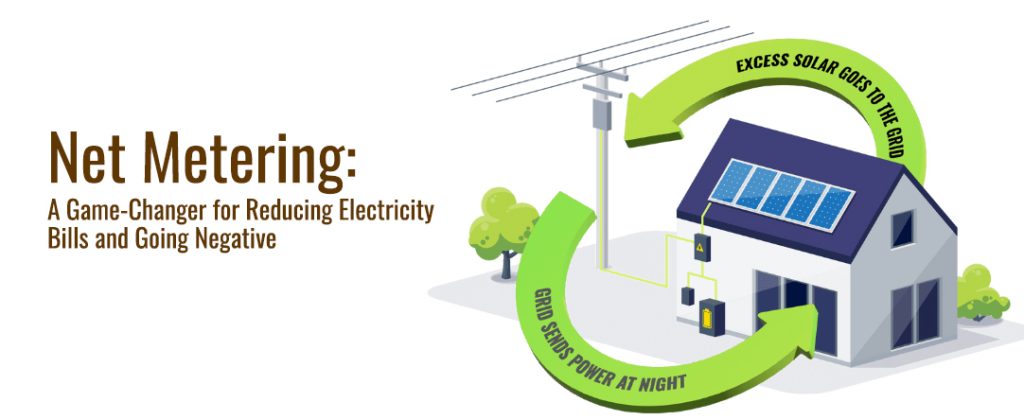
Net Metering & Net Billing in Pakistan: Revolutionizing Energy Independence
Welcome to the world of net metering—a simple yet revolutionary concept that has transformed how we generate, consume, and share electricity.
Net metering is an innovative system that allows homeowners and businesses to generate electricity using renewable sources, typically solar energy, and feed any excess power back into the electrical grid. Integrating your rooftop system with high-efficiency solar panels and reliable technology like maxellpower.com solar systems reduces dependence on fossil fuels while providing substantial financial savings.
Key Benefits of Net Metering
-
Drastically Reduced Electricity Bills: Generating your own power offsets peak-hour grid consumption. If your daytime generation exceeds your total consumption, your utility bill can drop significantly or hit zero.
-
Environmental Sustainability: Solar energy produces zero carbon emissions during operation, displacing fossil-fuel-generated power and supporting clean air initiatives.
-
Energy Independence: Self-generated power gives homeowners and businesses complete control over energy usage, shielding them from unpredictable utility price hikes.
Net Metering: A Game Changer for Pakistan
Pakistan is blessed with an average of 250 to 300 sunny days annually, making solar energy adoption highly effective. For a country facing frequent power outages (load shedding) and high electricity tariffs, net metering serves as a vital solution for both residential and industrial consumers.
Impact on Pakistani Consumers & Industry
-
Operational Savings: Households and commercial facilities can reduce monthly electricity bills by up to 50% or more over time, covering the initial installation cost within a few years.
-
Business Stability: Manufacturing plants and commercial enterprises gain a continuous, cost-effective power flow that maintains productivity during grid failures. For more strategies on optimizing system returns, explore our guide on solar inverter selection & ROI analysis.
Impact on National Infrastructure & Environment
-
Grid Stabilization: Distributed rooftop generation feeds electricity back into regional DISCO networks during peak daylight hours, reducing load-shedding pressures.
-
Reduced Import Burden: Increased domestic solar generation decreases national reliance on expensive imported petroleum fuels and coal.
-
Smog Reduction: Clean solar adoption in major urban hubs like Lahore and Karachi directly lowers carbon emissions, fighting seasonal smog and air pollution.
Net Metering vs. Prosumer Net Billing Framework
| Feature | Legacy Net Metering Framework | Modern Prosumer Net Billing System |
| Compensation Mechanism | 1:1 Unit Offset against consumption | Separate Import & Export Rate Calculation |
| Export Value | Standard Retail Utility Rate | National Wholesale Buyback Rate (~PKR 11–13/kWh) |
| Strategic Focus | Maximizing exported units | Maximizing daytime self-consumption |
| System Optimization | Offsetting net monthly usage | Utilizing heavy loads (ACs, pumps) during solar hours |
For details on selecting optimal component ratings, review our guide on buying the best solar inverter for residential use.
The Concept of “Going Negative” (Net Surplus Energy)
In solar power management, “going negative” refers to the milestone where your rooftop system generates more electricity than your property consumes over a billing cycle.
Under a bi-directional net-metering framework, export credits offset nighttime imports. Under modern net-billing policies, maximizing self-consumption during peak sunshine hours ensures you avoid costly peak retail tariffs while utilizing surplus energy efficiently.
Actionable Tips to Maximize Your Solar Return
-
Shift Power Usage to Solar Hours: Run high-load appliances—such as water pumps, inverter air conditioners, and electric geysers—during peak sunlight hours.
-
Incorporate Energy Storage: Pair your system with modern lithium batteries to retain surplus energy for night use instead of relying heavily on the grid.
-
Conduct Regular Upkeep: Maintain clean panel glass and perform routine DB checkups to ensure continuous peak generation. Learn more about seasonal care in our tutorial on maximizing solar performance in cold weather.
Discover more technical insights and product specifications on the official Maxpower Solar Blog.
Frequently Asked Questions
What is net metering, and how does a bi-directional meter work in Pakistan?
Net metering uses a specialized bi-directional meter installed by your local DISCO (e.g., LESCO, K-Electric, IESCO). It records both the electricity you draw from the grid and the excess solar power your system exports back to it.
How does NEPRA’s net billing system affect monthly solar bill credits?
Under current net billing rules, electricity imported from the grid is charged at standard retail rates, whereas exported solar electricity is credited at a wholesale buyback tariff. You maximize savings by using solar power directly during daylight hours rather than exporting it.
Can an on-grid solar net metering system supply power during load shedding?
Standard on-grid inverters shut off during load shedding to prevent anti-islanding risks for grid workers. To maintain continuous power during outages, you need a hybrid solar system connected to battery storage.
How long does it take to get a net metering connection approved in Pakistan?
The net metering application process with your local DISCO—including site inspection, single-line diagram approval, system commissioning, and bi-directional meter installation—typically takes between 3 to 6 weeks.
What system size is recommended to achieve a net-zero bill for a residential home?
A 7 kW to 10 kW solar system generally produces enough daytime electricity to power standard household loads, run 2 to 3 inverter air conditioners, and offset nighttime grid imports through exported generation credits.