Harnessing the Best of Both Worlds: Exploring Hybrid Solar Systems
June 23, 2023
Overcoming Net Metering Challenges: Solutions for a Smoother Transition
June 17, 2023On-Grid, Off-Grid, and Hybrid Solar System: A Comprehensive Guide to Choosing the Right System
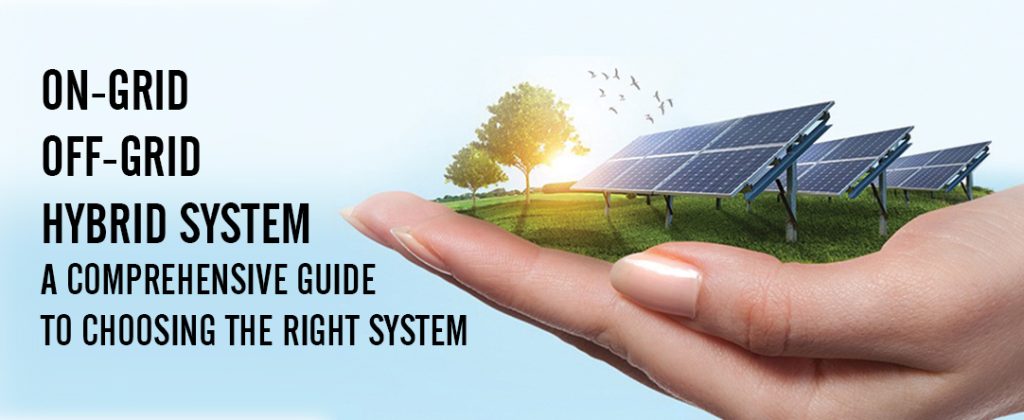
As society continues its push toward environmentally conscious living, it’s no surprise that more consumers are exploring solar energy for their homes and businesses through solar panels and solar inverters. There are three main types of consumer-grade solar system setups available today: on-grid (grid-tied), off-grid, and hybrid — each suited to different needs and priorities.
On-Grid Solar System
An on-grid solar system connects directly to the existing utility grid through an on-grid inverter, without needing battery storage for the excess energy produced during peak sunlight hours. Instead of storing surplus power in batteries, on-grid systems allow consumers to feed unused electricity back into the grid — a setup commonly known as net metering. When solar production is low or unavailable, these systems can also draw power directly from the grid.
Benefits and Advantages:
- Cost-Effective — since on-grid systems don’t require batteries, they’re cheaper to install and maintain, and selling surplus energy back to the grid can help offset costs over time.
- Reliability — backed by the local electrical grid, so you can still draw power if your panels aren’t producing enough for your needs.
Drawbacks and Disadvantages:
- Dependence on the Grid — during a power outage, on-grid systems shut down for safety reasons and cannot supply electricity, which can be a real drawback in areas prone to load-shedding.
- No Energy Storage — without batteries, these systems can’t store power for use at night or on cloudy days.
Off-Grid Solar System
As the name suggests, an off-grid solar system operates entirely independently from the local electrical grid. These systems rely on batteries, such as a lithium-ion battery, to store the electricity generated by solar panels, allowing power use even when the sun isn’t shining.
Benefits and Advantages:
- Energy Independence — off-grid systems can be fully self-sufficient, providing power during grid outages, which is especially valuable in remote or rural areas with unreliable grid access.
- Environmental Impact — a clean, renewable power source that reduces reliance on fossil fuels and lowers your carbon footprint.
Drawbacks and Disadvantages:
- High Initial Cost — off-grid systems can be expensive due to the need for batteries, a charge controller, and sometimes a backup generator; batteries also have a limited lifespan and need periodic replacement.
- Energy Limitations — if battery storage runs out and there’s no sun, you can run out of power, particularly during prolonged cloudy or rainy stretches, or a solar system in winter with shorter daylight hours.
Hybrid Solar System
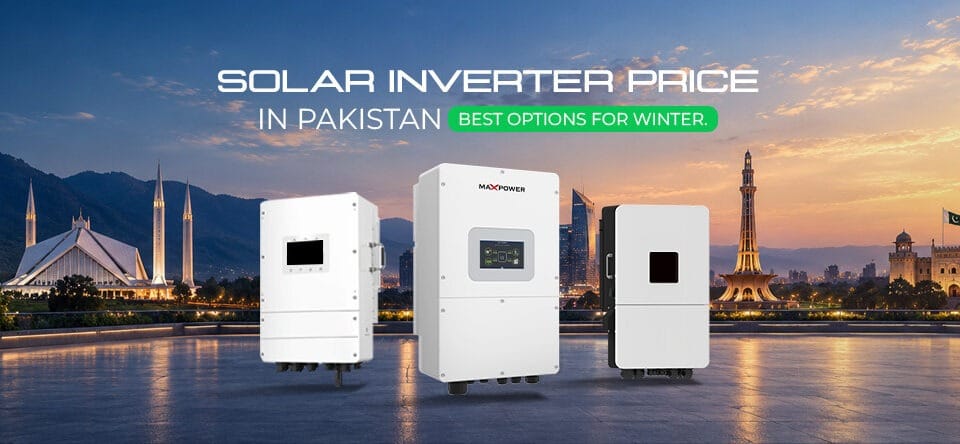
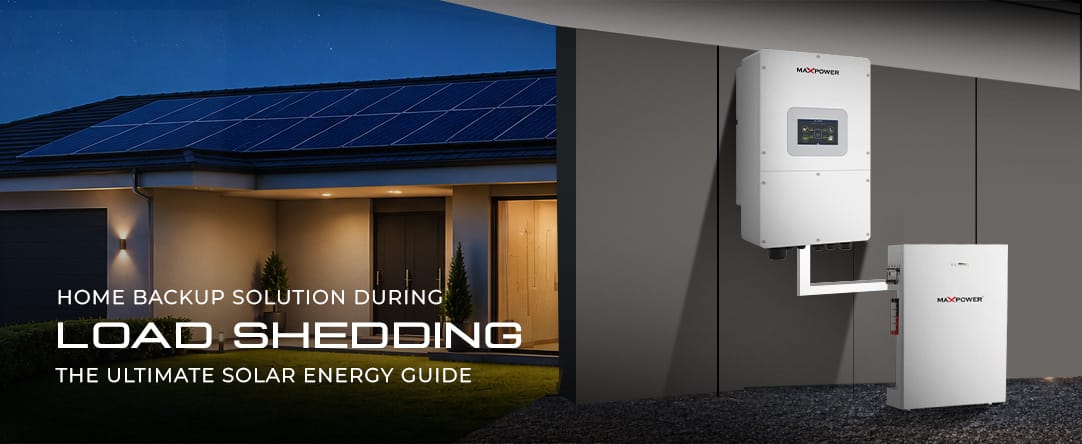
Hybrid systems combine elements of both on-grid and off-grid setups. They stay connected to the local electrical grid while also including battery storage — see Max Power’s hybrid inverters for a range of options built for Pakistani homes and businesses.
Benefits and Advantages:
- Versatility — hybrid systems offer the best of both worlds, feeding excess power back into the grid, drawing power when needed, and storing energy for use during outages.
- Efficiency — advanced inverters and battery charge controllers allow for greater flexibility and efficiency in power generation and usage.
Drawbacks and Disadvantages:
- Cost — typically more expensive than on-grid systems due to the added cost of battery storage, though often a worthwhile investment in areas prone to frequent power outages.
- Maintenance — the inclusion of batteries means hybrid systems generally require more upkeep than a simple on-grid setup.
Understanding Your Energy Needs
Before choosing a solar system, it’s important to understand your household or business energy needs. Start by reviewing your electricity bills over the past year and calculating your average monthly usage — this gives you a clear baseline for how much electricity your solar panel system needs to produce.
Also consider usage patterns: are there certain months when consumption spikes? Do you expect future needs to grow, such as adding an electric vehicle, an electric geyser, an electric chulha, or expanding your home? These factors all influence the type and size of solar system best suited to you.
Incentives and Regulations
Financial incentives can significantly lower the cost of going solar. Governments often offer tax credits, rebates, or grants to encourage renewable energy adoption, and many utilities in Pakistan support net metering — crediting you for excess electricity your on-grid or hybrid system feeds back into the network.
That said, regulations can also shape your options. Some areas have restrictions on off-grid installations or specific requirements for grid-tied systems, so it’s worth researching local incentives and rules — or consulting a solar professional — before making a final decision.
Maintaining Your Solar System
Regardless of which system type you choose, proper maintenance keeps it running efficiently and extends its lifespan. This includes regularly cleaning solar panels to remove dust and debris that can reduce output, along with monitoring power production to catch potential issues early.
For off-grid and hybrid systems, battery maintenance is especially important — checking the state of charge, topping up fluid levels where applicable, and keeping batteries within suitable temperature ranges. Some systems may need professional servicing, so factor these ongoing costs into your decision.
Final Thoughts
Choosing the right solar system is a significant decision that depends on your energy needs, budget, local incentives, and regulations. Each type — on-grid, off-grid, and hybrid — comes with its own trade-offs, and the best fit depends on your specific circumstances. Investing in solar energy is a meaningful step toward energy independence and a more sustainable future. For expert guidance and a full range of panels, inverters, and batteries, explore Max Power and Maxell Power to find the right system for your home or business.
Frequently Asked Questions
Which is better for Pakistan: on-grid, off-grid, or hybrid solar systems?
It depends on your priorities. On-grid systems are the most cost-effective if grid reliability isn’t a major concern, off-grid suits remote areas with no grid access, and hybrid systems are ideal for areas with frequent load-shedding where backup power matters.
Can an on-grid solar system work during a power outage?
No, standard on-grid systems automatically shut down during grid outages for safety reasons, unless paired with battery backup as part of a hybrid setup.
Do hybrid solar systems cost more than on-grid systems?
Yes, hybrid systems are generally more expensive upfront due to the added battery storage, but they offer added reliability during outages, which can make the investment worthwhile in areas with frequent load-shedding.
How do I know what size solar system I need?
Review your electricity bills from the past 12 months to calculate your average monthly usage, and factor in any expected increases in consumption, such as adding an electric vehicle or expanding your home.
Is net metering available for hybrid solar systems in Pakistan?
Yes, hybrid systems that remain grid-connected can typically qualify for net metering, allowing you to earn credits for surplus power fed back into the grid while still benefiting from battery backup during outages.