Best Solar Panel and Inverter Prices in Pakistan 2026 Guide
July 28, 2026
Diesel Generator vs Solar System – Which Saves More Money?
August 1, 2026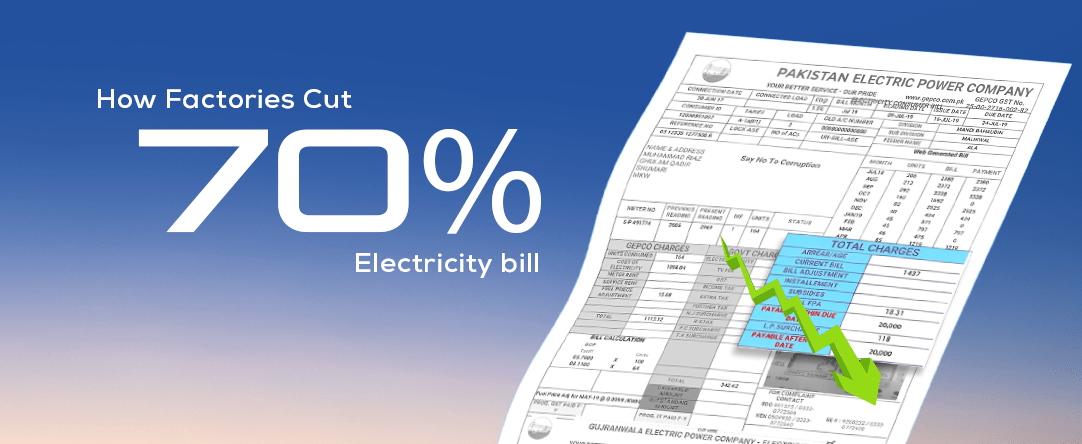
For factories in Pakistan, electricity is often one of the largest operating expenses. Rising tariffs, fuel price volatility, and grid instability make energy costs unpredictable and difficult to control. However, with the right combination of technology, energy management, and financing—especially MaxPower solar energy solutions —many factories can realistically cut their electricity bills by 50–70% while improving reliability and productivity.
In this article, we’ll walk through practical, proven strategies that can use factories to dramatically reduce electricity costs, focusing on MaxPower solar energy , MaxPower solar plates , MaxPower solar inverters, and MaxPower lithium-ion batteries.
Why Electricity Bills Are So High in Pakistani Factories
Before diving into solutions, it helps to understand where the costs come from:
- High Consumption: Factories run heavy machinery, motors, compressors, lighting, and sometimes air conditioning around the clock.
- Peak Demand Charges: Many industrial tariffs include demand charges based on the highest power draw in a billing period. A few minutes of high load can significantly increase the bill.
- Fuel Price Volatility: Grid electricity costs fluctuate with fuel prices, making budgeting difficult.
- Inefficient Equipment: Old motors, poor power factor, outdated lighting, and leaky compressed air systems waste large amounts of energy.
- Grid Instability: Frequent outages force factories to rely on expensive diesel generators, which have high fuel and maintenance costs.
Addressing these issues systematically can lead to major savings—often enough to cut total electricity expenses by 50–70%.
MaxPower Solar Energy for Factories – The Biggest Lever
Installing a commercial MaxPower solar energy system is usually the single most effective way for factories to reduce electricity bills. MaxPower solar plates provide a stable, low-cost source of power that directly offsets grid consumption.
How MaxPower Solar Reduces Bills
- Direct Energy Savings: MaxPower solar plates generate electricity during daylight hours, reducing the amount of power drawn from the grid. This lowers both energy charges and demand charges.
- Net Metering: Excess solar energy can be exported to the grid, earning credits that further reduce the bill.MaxPower Commercial Solar Solutions
- Lower Generator Use: With MaxPower solar energy and MaxPower lithium-ion batteries , factories can reduce or eliminate reliance on diesel generators during outages, saving on fuel and maintenance.
Typical Impact
Many factories in Pakistan achieve:
- 30–50% reduction in electricity bills from MaxPower solar energy alone.
- Additional 10–20% reduction when combined with energy efficiency and load management.
A large rooftop or ground-mounted MaxPower solar plant can cover a significant portion of daytime energy needs, especially for factories with high daytime loads.
Energy Efficiency Upgrades
Even before or alongside MaxPower solar energy , improving energy efficiency can deliver quick wins with relatively low investment.
Motor and Drive Systems
- High-Efficiency Motors: Replacing old motors with IE3/IE4 high-efficiency models can reduce energy use by 5–15%.
- Variable Frequency Drives (VFDs): Installing VFDs on pumps, fans, and compressors allows motors to run at optimal speed, cutting energy use by 20–50% in many applications.
Lighting
- LED Lighting: Replacing fluorescent and metal halide lights with LEDs can cut lighting energy use by 50–70% while improving visibility.
- Smart Controls: Motion sensors, daylight harvesting, and timers ensure lights are only on when needed.
Compressed Air Systems
- Leak Repair: Fixing leaks in compressed air lines can reduce energy waste by 10–30%.
- Efficient Compressors: Upgrading to modern, properly sized compressors with VFDs can significantly lower energy consumption.
Power Factor Correction
- Capacitor Banks: Improving power factor reduces reactive power charges and line losses, often saving 5–15% on the electricity bill.
Load Management and Peak Shaving with MaxPower Solar
Reducing peak demand is critical because demand charges can make up a large portion of the bill.
- Peak Shaving with MaxPower Solar + Batteries: During peak tariff hours, factories can use MaxPower solar plates and MaxPower lithium-ion batteries to reduce grid draw, lowering demand charges.
- Load Scheduling: Shifting non-critical processes to off-peak hours (eg, batch processes, charging batteries) can flatten the load curve and reduce peak demand.
- Automatic Load Shedding: Smart controllers can temporarily turn off non-essential loads when demand approaches a set limit.
By combining MaxPower solar generation , MaxPower battery storage , and intelligent load management, many factories can cut demand charges by 30–50% or more.
MaxPower Hybrid Systems and Battery Storage
For factories that cannot afford downtime, hybrid systems that combine MaxPower solar , MaxPower batteries , and sometimes generators are essential.
- MaxPower Solar + Battery: Provides uninterrupted power during grid outages and helps with peak shaving.
- Generator Integration: Diesel or gas generators can serve as backup for extended outages, but their runtime is minimized thanks to MaxPower solar energy and MaxPower lithium-ion batteries .
MaxPower’s commercial solar solutions include MaxPower hybrid inverters and MaxPower lithium-ion batteries designed for industrial use, offering long cycle life, fast response, and high reliability.
MaxPower Lithium-Ion Batteries
Smart Financing and Payback Periods
A 70% reduction in electricity bills is achievable, but it usually requires upfront investment. The key is structuring the project so that savings pay for the investment quickly.
- Capital Investment: Factories with strong cash flow can invest directly and full ownership of the MaxPower solar system .
- Loans and Leasing: Banks and specialized lenders offer solar and energy efficiency loans with payback periods often under 3–5 years.
- Energy Performance Contracts (EPCs): In some cases, third-party providers finance and install the system, and the factory pays from the energy savings.
For many factories, the combined savings from MaxPower solar energy , efficiency, and load management result in a payback period of 3–5 years—after which electricity costs are dramatically lower for the life of the system.
Putting It All Together: A Realistic Factory Example
Consider a medium-sized factory in Lahore with:
- Monthly Electricity Bill: PKR 2,000,000
- Daytime Load: 800 kW
- Night Load: 400 kW
- Peak Demand: 1,000 kW
MaxPower Solar Installation
- Install a 500 kW MaxPower solar plant on the rooftop.
- MaxPower solar plates cover ~60% of daytime load.
- Estimated monthly savings: PKR 600,000–800,000.
Energy Efficiency
- Upgrade motors, lighting, and compressed air.
- Estimated monthly savings: PKR 200,000–300,000.
Load Management + MaxPower Batteries
- Use MaxPower solar + batteries for peak shaving.
- Reschedule some processes to off-peak.
- Estimated monthly savings: PKR 200,000–300,000.
Total Estimated Monthly Savings: PKR 1,000,000–1,400,000
Reduction in Electricity Bill: 50–70%
With a total investment of PKR 20–30 million, the payback period is often 3–5 years, after which the factory enjoys significantly lower operating costs for decades.
Frequently Asked Questions
Can MaxPower solar really reduce a factory’s electricity bill by 70%?
Yes, for many factories, especially those with high daytime loads and significant demand charges. The exact reduction depends on load profile, roof space, tariff structure, and the scale of MaxPower solar energy and efficiency measures. Combined with energy efficiency and load management, 50–70% reductions are realistic.
How much space is needed for a MaxPower factory solar system?
Roughly 5–7 square meters per kW of MaxPower solar plate capacity. A 500 kW system may require 2,500–3,500 square meters of rooftop or ground space. MaxPower’s design team can optimize layout to maximize energy production within available space.
What if my factory runs 24/7?
MaxPower solar energy still helps by reducing daytime grid consumption and demand charges. For 24/7 operations, a larger MaxPower solar plant combined with MaxPower batteries and possibly a generator ensures continuous operation with lower overall energy costs.
Is net metering available for industrial customers with MaxPower solar?
Yes, many distribution companies in Pakistan offer net metering for industrial customers. MaxPower assists with the application process and ensures compliance with local regulations.
How long do MaxPower commercial solar systems last?
High-quality MaxPower solar panels typically come with 25-year performance warranties and can continue producing electricity for 30+ years. MaxPower solar inverters and MaxPower lithium-ion batteries may need replacement or upgrade after 10–15 years, depending on technology and usage.
Ready to Cut Your Factory’s Electricity Bill by 50–70% with MaxPower Solar Energy?
If you’re serious about reducing your factory’s electricity costs, MaxPower offers end-to-end solutions—from energy audits and system design to installation, financing support, and ongoing maintenance. Contact us today for a free consultation and a customized proposal tailored to your factory’s load profile, roof space, and budget.
Explore our commercial solar solutions:
MaxPower – Helping Pakistani Factories Power Their Future with Solar Energy.