Solar Electric Chulha vs. LPG Gas Cylinder: Monthly Cooking Cost Comparison with Maxpower
August 10, 2026Commercial Solar Backup in Pakistan Unlocking Energy Independence and High ROI with MaxPower
October 14, 2026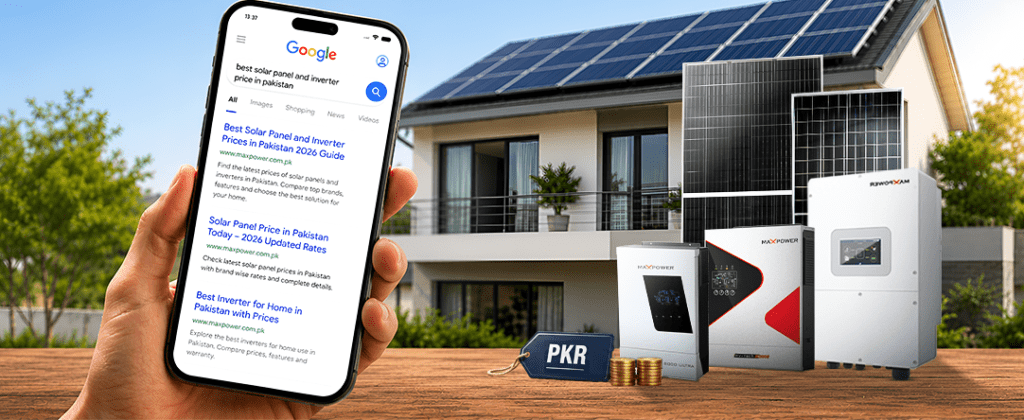
Switching to solar power in Pakistan is no longer just an eco-friendly choice—it is a vital financial strategy. With electricity tariffs continuing to rise and load shedding affecting both urban and rural areas, investing in a solar power setup guarantees long-term energy independence and drastic bill reductions.
When planning a system, understanding market prices, panel technologies, and inverter capabilities ensures you get the maximum Return on Investment (ROI). Below is a comprehensive analysis of the current market landscape, featuring MaxPower products and popular solar choices across Pakistan.
Solar Panel Rates Per Watt
Over recent years, global manufacturing scale has driven per-watt solar panel rates down, making high-efficiency Tier-1 PV modules more accessible. Today, N-Type TOPCon, HPBC, and HJT (Heterojunction) bifacial modules lead the market, offering 21–23%+ efficiency and stronger output during high-ambient-temperature conditions.
| Technology Class | Featured Brands | Price Range Per Watt (PKR) | Avg. Panel Cost (580W – 720W) |
| Tier-1 Premium (HPBC / HJT / ABC) | LONGi Hi-MO X10, Aiko Stellar, Risen Hyper-ion | Rs 41.00 – Rs 46.20 | Rs 26,000 – Rs 30,500 |
| Tier-1 Standard (N-Type TOPCon) | Jinko Tiger Neo, JA DeepBlue, Trina Vertex N | Rs 39.30 – Rs 43.50 | Rs 24,500 – Rs 28,500 |
| Budget / Older Tech (PERC / Poly) | Local / Unbranded | Rs 37.00 – Rs 40.00 | Rs 21,000 – Rs 24,000 |
Pro Tip: Always calculate system costs per watt (Total System Cost ÷ Total Panel Wattage) rather than comparing package totals directly. A smaller budget system may end up costing more per watt than a larger, well-engineered setup.
Solar Inverter Benchmark Prices
The inverter is the brain of your solar setup, converting DC power generated by panels into clean AC power for your appliances while managing battery charging and grid exports.
┌────────────────────────────────────────┐
│ PV Solar Array Input │
└───────────────────┬────────────────────┘
│
▼
┌────────────────────────────────────────┐
│ Hybrid / On-Grid Inverter │
└─────────┬────────────────────┬─────────┘
│ │
┌──────────────┴──────────┐ ┌──┴───────────────────────┐
▼ ▼ ▼ ▼
┌────────────────┐ ┌────────────────┐ ┌────────────────┐
│ Off-Grid Backup │ │ LiFePO4 Lithium │ │ WAPDA Utility Grid │
│ (Essential Load) │ │ Battery Storage │ │ (Net-Metering) │
└──────────────────┘ └──────────────┘ └────────────────┘
Inverter Price by Capacity & System Type
| Capacity | Recommended For | On-Grid Price (PKR) | Hybrid Inverter Price (PKR) |
| 3.0 kW – 4.0 kW | Small homes, 1 Inverter AC, basic load | N/A (Off-Grid focus) | Rs 72,000 – Rs 120,000 |
| 5.0 kW – 6.0 kW | 5 Marla homes, 2 Inverter ACs, full load | Rs 110,000 – Rs 140,000 | Rs 120,000 – Rs 165,000 |
| 8.0 kW – 10.0 kW | 10 Marla / 1 Kanal, 3-4 ACs, full house | Rs 220,000 – Rs 280,000 | Rs 255,000 – Rs 345,000 |
| 12.0 kW – 15.0 kW | Large Residences, Commercial Plazas, BPOs | Rs 320,000 – Rs 420,000 | Rs 330,000 – Rs 605,000 |
Spotlight on MaxPower Product Lineup
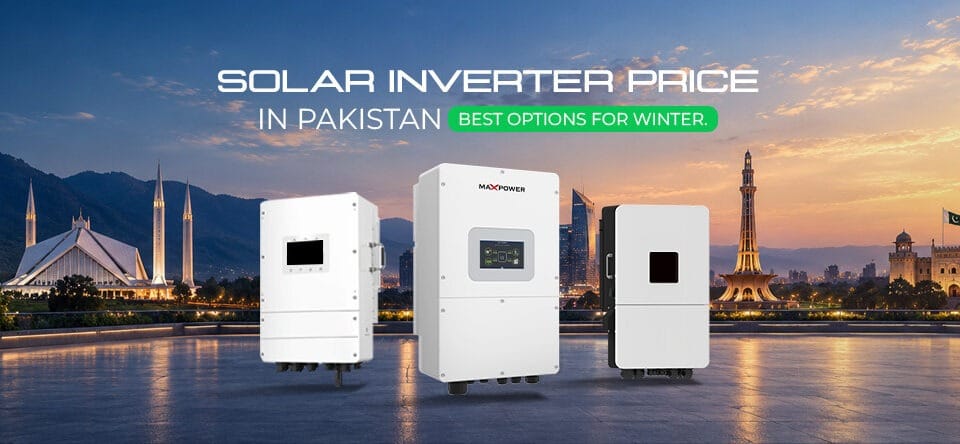
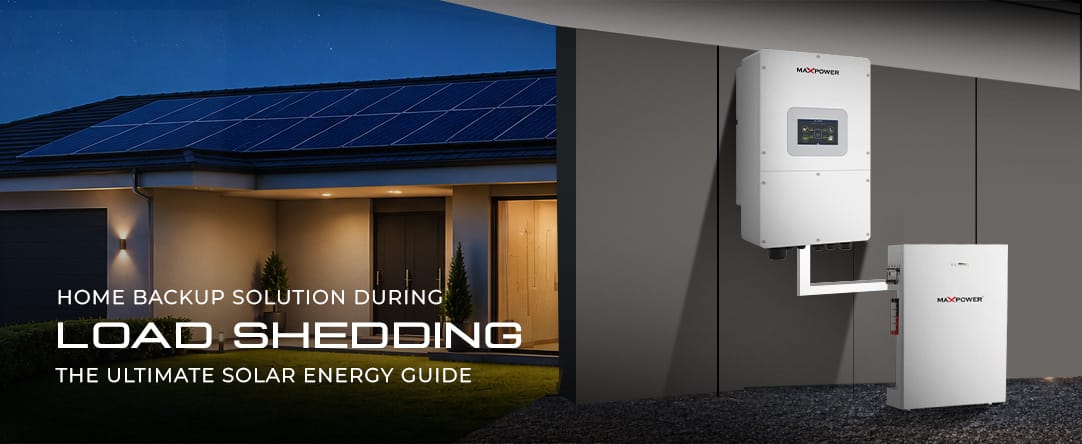
MaxPower has built a strong market footprint in Pakistan by offering cost-effective hybrid inverters and lithium storage batteries tailored to local grid fluctuations.
MaxPower Hybrid & Off-Grid Inverters
- Suntronic PV3000 / PV5000 Pro (3 kW – 4 kW): Rs 72,000 – Rs 120,000
Compact single-phase inverters featuring built-in MPPT solar charge controllers, pure sine wave output, and wide PV input voltage support. - Suntronic PV6000 / PV7000 Pro (6 kW): Rs 120,000 – Rs 162,500
Capable of running multiple air conditioners and home loads while seamlessly shifting to battery backup during outages. - Voltas Hybrid Inverter Series (6 kW to 14 kW): Rs 255,000 – Rs 605,000
Heavy-duty commercial and residential units equipped with generator integration ports, parallel operation options, and full net-metering compatibility.
MaxPower LiFePO4 Energy Storage
Traditional lead-acid and tubular batteries degrade quickly when subjected to deep load-shedding cycles. MaxPower’s LiFePO4 Lithium Storage provides high depth-of-discharge (80–90%), rapid charging, and over 4,000+ cycle life at competitive price points compared to imported brands:
- MaxPower 2.5 kWh / 24V Storage: Rs 84,000 – Rs 101,000
- MaxPower MP-5000 Pro (5 kWh / 48V): Rs 175,000 – Rs 210,000
- MaxPower MP-10000 Alpha (10 kWh / 48V): Rs 350,000 – Rs 420,000
Complete System Cost Estimation
When budgeting for a complete solar solution, remember that solar panel plates account for only ~40% of total project costs. The rest includes inverters, mounting structures (L2/L3 or elevated customization), pure copper cabling, safety circuit breakers, installation labor, and net-metering paperwork.
| System Capacity | On-Grid Complete System (PKR) | Hybrid System with Battery (PKR) | Avg. Monthly Units Generated |
| 5 kW | Rs 5.5 Lakh – 7.0 Lakh | Rs 9.5 Lakh – 12.5 Lakh | ~650 Units |
| 8 kW | Rs 8.5 Lakh – 10.5 Lakh | Rs 14.0 Lakh – 18.0 Lakh | ~1,040 Units |
| 10 kW | Rs 10.0 Lakh – 13.0 Lakh | Rs 16.0 Lakh – 21.0 Lakh | ~1,300 Units |
| 15 kW | Rs 14.5 Lakh – 18.0 Lakh | Rs 23.0 Lakh – 30.0 Lakh | ~1,950 Units |
Frequently Asked Questions
Which inverter technology is best for Pakistani grid conditions: Hybrid or On-Grid?
Hybrid inverters are recommended for most Pakistani households and businesses. An On-Grid inverter stops functioning completely during power cuts to keep grid technicians safe. A Hybrid inverter combines grid connection with battery backup (e.g., LiFePO4 batteries), ensuring seamless power during load shedding while still supporting NEPRA net-metering.
Should I buy Tier-1 Mono PERC or N-Type TOPCon solar panels?
N-Type TOPCon and HPBC panels are the preferred choice. They offer higher conversion efficiency (21%+), generate better output in low light or hot conditions, and experience lower annual performance degradation than older Mono PERC panels.
How long does it take for a solar system to pay for itself in Pakistan?
With current utility tariffs, most residential and commercial solar installations achieve complete financial payback within 2.5 to 3.5 years. After the payback period, generated electricity delivers pure long-term savings.
What factors cause solar panel and inverter prices to change in Pakistan?
Solar components are imported goods. Their local prices fluctuate based on:
- USD/PKR Exchange Rates: Rupee depreciation increases landed component costs.
- Global Silicon & Freight Rates: Factory-level silicon supply chains directly affect per-watt panel costs.
- Seasonal Demand: Summer installation demand temporarily drives up labor and equipment prices.
Why should I choose MaxPower inverters and batteries over other options?
MaxPower delivers reliable, locally supported solar equipment designed specifically for high-load and frequent switching conditions. Their hybrid inverters and LiFePO4 lithium batteries offer premium technical performance—such as fast charge times and high depth-of-discharge—at prices 10% to 20% lower than imported European or East-Asian brands.
Get Started with Solar Energy
Ready to protect your property against rising utility rates? Browse MaxPower Inverters and Battery Systems to design a customized system for your home or business.