Off-Grid Solar Systems: The Definitive Guide to Going Green with Renewable Energy
February 6, 2023
Top 10 Solar Energy Uses
September 3, 2020
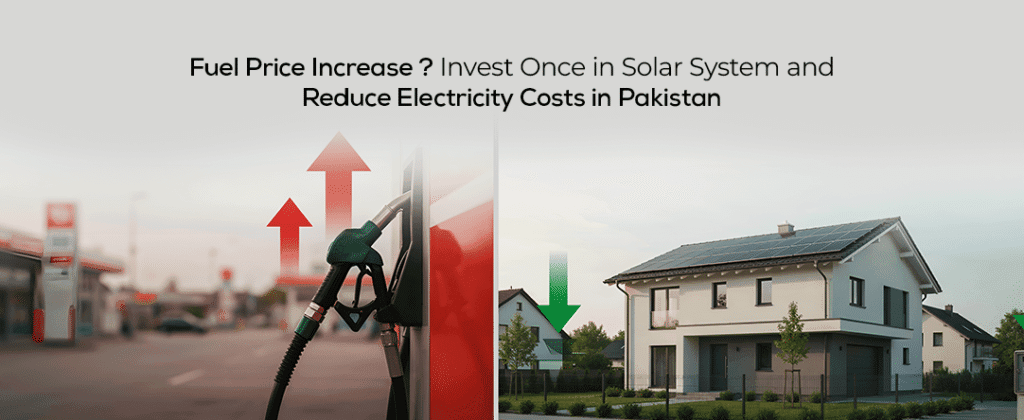
Solar power is the conversion of energy from the sun into usable electricity. The most common method uses photovoltaic (PV) cells in solar panels to change sunlight into electricity. There is no doubt that reduced pollution is one of the biggest advantages of using solar panels. With rising electricity costs and frequent load shedding in many countries—including Pakistan—more people are turning to solar energy for their homes and businesses.
Do you want to know the advantages and disadvantages of solar energy? This article will give you clear, practical information about solar power, especially in the context of Pakistan, where solar systems are becoming increasingly popular.
Advantages of Solar Energy
1. No Greenhouse Gases
Solar energy does not emit any greenhouse gases during operation. Unlike fossil fuels, it does not release CO₂, SO₂, or other pollutants into the atmosphere.
2. Clean and Pollution‑Free
Solar power is clean energy. There is no smoke, no gas emissions, and no air pollution when generating electricity from solar panels.
3. Free Energy After Installation
Once solar panels are installed, they produce electricity free of charge from sunlight. This can significantly reduce your monthly electricity bill.
4. Silent Operation
Solar cells make absolutely no noise, making them ideal for residential areas, hospitals, schools, and offices.
5. Renewable and Sustainable
Solar energy is renewable. The sun will keep shining for billions of years, so using its power does not deplete it—unlike coal, oil, or natural gas.
6. Low Maintenance Cost
Maintaining a solar system is relatively easy and inexpensive. After the initial investment, ongoing costs are minimal—mainly occasional cleaning and basic inspections.
7. Government Incentives
Many governments offer financial incentives, subsidies, or tax credits for installing solar panels, making solar energy more affordable for homeowners and businesses.
8. Available Anywhere
Solar energy can be harnessed almost anywhere the sun shines. It is especially valuable in remote areas or places with unreliable grid power, such as many parts of Pakistan.
9. Energy Independence
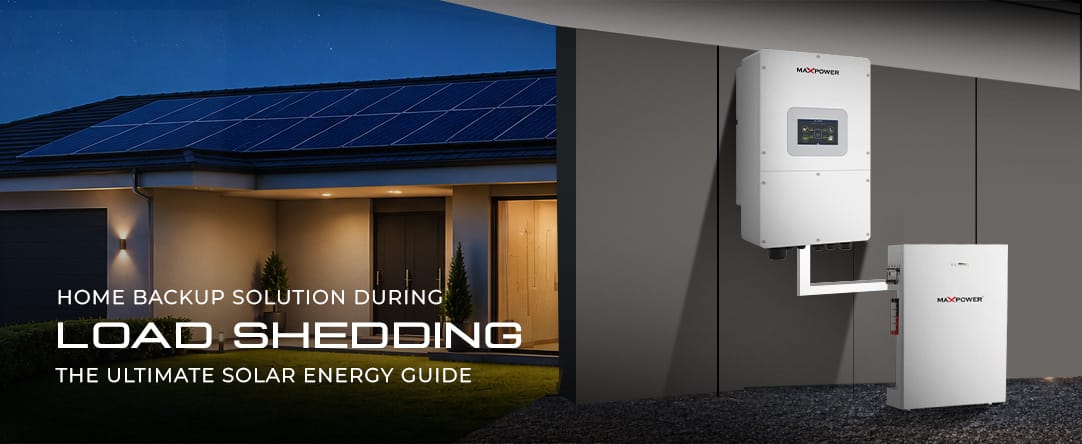
By installing a solar system, you can reduce dependence on the grid and diesel generators, gaining greater energy independence and protection against power outages and load shedding.
10. Increases Property Value
Homes and businesses with solar panels often have higher property values, as buyers appreciate lower electricity bills and reliable power.
Disadvantages of Solar Energy
1. Space Requirements
Solar power systems require a relatively large area to capture enough sunlight efficiently. In small spaces or densely built areas, it can be challenging to install enough panels to meet all energy needs.
2. High Upfront Cost
The initial cost of solar panels and related equipment (inverters, batteries, mounting) can be high. However, long‑term savings on electricity bills often offset this investment.
3. Dependence on Sunlight
Electricity generation depends heavily on sunlight exposure. In countries or regions with frequent cloudy weather, rain, or short daylight hours, solar power generation can be limited.
4. Not Always Comparable to Conventional Power Plants
Large‑scale solar power stations may not yet match the output capacity or dispatchability of traditional coal, gas, or hydro power plants, especially for base‑load power.
5. Reduced Efficiency Due to Obstructions
Pollution, dust, clouds, or anything blocking sun rays can reduce the efficiency of solar panels. Regular cleaning is important in dusty or polluted environments.
6. No Power at Night
Solar systems do not generate electricity at night. For continuous power, you need battery storage (in off‑grid or hybrid systems) or a connection to the grid.
7. High Cost for Large‑Scale Plants
Building large solar power stations involves significant investment in land, panels, inverters, and infrastructure, which can be expensive compared to some conventional plants.
8. DIY Challenges and Battery Limitations
Installing solar systems yourself can be complex and risky without proper training. In off‑grid systems, you often rely on batteries (like lead‑acid), which have a shorter lifespan than solar panels and require replacement every few years.
Final Thoughts
Overall, there are many advantages of solar energy, making it an efficient and sustainable power source for homes, businesses, and communities. Despite some disadvantages, solar power is becoming an increasingly inexpensive and reliable way to generate electricity. It has already helped thousands of households and organizations worldwide—including in Pakistan—to enjoy more electricity, lower bills, and cleaner energy.
No matter how remote your location, if the sun shines, you can benefit from solar energy. With proper planning and the right solar system, you can reduce your carbon footprint, cut your electricity costs, and gain greater energy security.