Advantages and Disadvantages of Solar Energy
September 3, 2020
Questions to ask a solar energy company
September 3, 2020
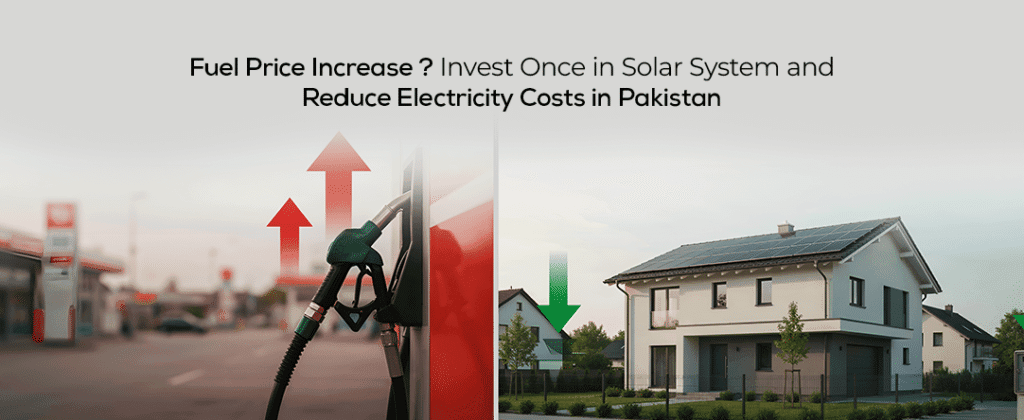
Solar energy is one of the most well‑known renewable energy sources today, offering many advantages for both industrial and domestic needs. With the cost of living on the rise and electricity prices increasing, people are looking for ways to save money. Investing in solar energy can provide exceptional savings on utility bills while supporting a cleaner environment.
In this article, we’ll explore the uses of solar energy and how you can benefit from them—especially in countries like Pakistan, where load shedding and high electricity costs make solar power an attractive option.
Solar Water Heater
Solar water heaters use the sun’s radiation to heat water for homes, hotels, and commercial buildings. They are designed to work even in winter, reducing your reliance on electric geysers or gas heaters and cutting your electricity bills significantly.
Key benefits:
-
Lower water heating costs
-
Reduced LPG or electricity consumption
-
Environmentally friendly
-
Suitable for domestic and commercial use in Pakistan
Solar Panels
Solar panels (photovoltaic panels) convert sunlight into electricity. They are used on a large scale by governments, industries, and households to generate clean electricity. You can install solar panels on rooftops, sheds, warehouses, and open land to power your home, office, or farm.
Common uses:
-
Rooftop solar systems for homes and businesses
-
Solar farms for large‑scale power generation
-
Off‑grid and hybrid systems for remote areas
-
Solar system for load shedding backup
For detailed guidance on panel selection, read our guide on choosing high-efficiency solar panels in Pakistan.
Solar Batteries
Solar batteries store energy generated by solar panels for use when the sun isn’t shining. They are essential for off‑grid solar systems and hybrid systems, providing backup power during nighttime or power outages.
Applications:
-
Home energy storage (lithium or lead‑acid batteries)
-
Charging mobile phones, laptops, cameras, and other devices via solar chargers
-
Solar UPS and inverter systems for uninterrupted power
Explore scalable battery systems on the official Maxpower Solar Catalog.
Solar Lights
Solar lights run on solar energy during the day and draw power from batteries at night. They are widely used for street lighting, highway roads, parking areas, gardens, and home lighting.
Advantages:
-
No grid connection required
-
Easy installation in remote or off‑grid locations
-
Lower operating costs and maintenance
-
Ideal for security lighting and outdoor areas
Solar Cooker
Solar cookers use sunlight to cook food, reducing the need for LPG, wood, or electric stoves. They are simple to build or purchase and are great for daily cooking, picnics, camps, and outings.
Benefits:
-
Saves LPG and fuel costs
-
Eco‑friendly cooking
-
Portable options for travel and outdoor activities
Solar‑Powered Transportation
Solar energy is increasingly used in transportation to reduce fuel consumption and pollution. While still emerging, applications include:
-
Solar‑powered buses and public transport
-
Solar charging stations for electric vehicles
-
Solar‑assisted railways and metro systems
-
Solar cars used in racing and experimental projects
Impact:
-
Lower operating costs
-
Reduced carbon emissions
-
Support for electric mobility and clean transport
Solar Heating
Solar thermal systems can heat swimming pools, spas, and water for domestic use more efficiently than traditional oil or gas pumps. Solar pool heaters collect sunlight and convert it into heat, extending the swimming season without high energy bills.
Uses:
-
Residential pools and hot tubs
-
Commercial pools in hotels and clubs
-
Domestic hot water systems
Rooftop Solar
Rooftop solar systems allow homeowners and businesses to generate their own electricity. By installing solar panels on the roof, you can:
-
Reduce electricity bills
-
Sell excess power to the grid via net metering (where available)
-
Increase property value
-
Lower your carbon footprint
In Pakistan, rooftop solar is becoming popular as a load shedding solution and long‑term energy investment. Learn how to get started with our step-by-step Net Metering Guide for Pakistan.
Solar Fans
Solar fans are powered by solar energy and used for ventilation in homes, offices, warehouses, and farms. They help control temperature, moisture, and odors without increasing electricity costs.
Types:
-
Ceiling fans
-
Exhaust fans
-
Portable fans for outdoor or temporary use
Backup Power (Solar UPS / Inverter Systems)
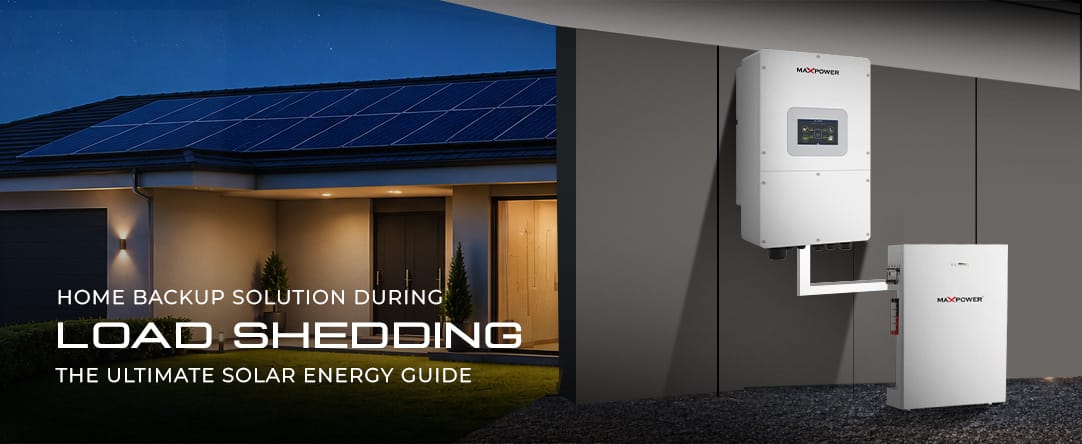
Solar energy acts as a reliable backup power source during blackouts or load shedding. Solar UPS systems and solar inverters with batteries can keep essential appliances running—such as lights, fans, refrigerators, and computers—when the grid fails.
Benefits:
-
Uninterrupted power during outages
-
Lower diesel generator usage
-
Clean and quiet operation
To compare options for your home or business, read our article on selecting the best hybrid solar inverters.
Summary
Solar energy offers a free and never‑ending way to create power for your home, business, and community. With solar technology becoming more affordable and efficient, it is easier than ever to benefit from clean energy, reduce your electricity bills, and contribute to a sustainable future.
Whether you use solar water heaters, solar panels, solar lights, or solar backup systems, you can take control of your energy needs and enjoy the many uses of solar energy in daily life. Discover modern energy solutions at Maxpower.
Frequently Asked Questions
How do solar panels continue to power appliances during grid load shedding?
When grid power fails, a hybrid or off-grid solar inverter automatically switches to draw energy directly from your solar panels and connected battery bank, ensuring zero interruption to household or office loads.
Can rooftop solar systems completely eliminate monthly electricity bills in Pakistan?
Yes. By installing a grid-tied or hybrid system with net metering, daytime excess solar units exported to the grid offset nighttime imports, resulting in a net-zero or significantly reduced monthly electricity bill.
What type of solar battery is recommended for long-term power backup?
Lithium Iron Phosphate ($\text{LiFePO}_4$) batteries are recommended due to their high usable capacity (up to 90% DoD), long operational life (10+ years), fast charging speeds, and zero maintenance requirements.
Do solar water heaters and thermal systems work during cloudy or winter days?
Yes. Solar water heaters are designed with insulated evacuated glass tubes or flat-plate collectors that effectively absorb diffused solar radiation even during cooler winter temperatures.
What is the main operational advantage of solar backup systems over diesel generators?
Solar backup systems operate silently without continuous fuel expenses, carbon emissions, or regular engine oil changes, making them far more cost-effective over their operational lifespan.