Bifacial vs Mono PERC Solar Panels: Which Is Better for Pakistani Conditions in 2026?
August 18, 2026How to Clean Solar Panels for Maximum Output in Pakistan
September 6, 2026Most problems with solar installations in Pakistan are not discovered during installation. They surface months later, when backup time falls short, when a DISCO net metering application gets rejected, or when an inverter faults because it was connected to panels whose string voltage exceeded its MPPT range. Every one of these problems was avoidable by asking the right questions before the installation started.
These are the ten questions that matter most before signing any solar installation contract in Pakistan.
Lahore-specific FAQs
Question 1: Is the installer AEDB registered?
The Alternative Energy Development Board registers solar installers in Pakistan. An AEDB-registered installer is accountable under a regulatory framework. An unregistered installer is not. Verify the registration number at aedb.org before any commitment. This is particularly important if you intend to apply for net metering, as the DISCO will require AEDB documentation.
Question 2: What Is the System’s Expected Daily Generation?
A properly designed solar system has a calculable daily generation figure based on your location’s peak sun hours, panel capacity, orientation, and inverter efficiency. Ask the installer to provide this figure in kWh per day and explain the calculation. If the answer is a rough estimate or a verbal guarantee without documentation, the system design may not have been done rigorously.
Question 3: What Happens to My System During Load Shedding?
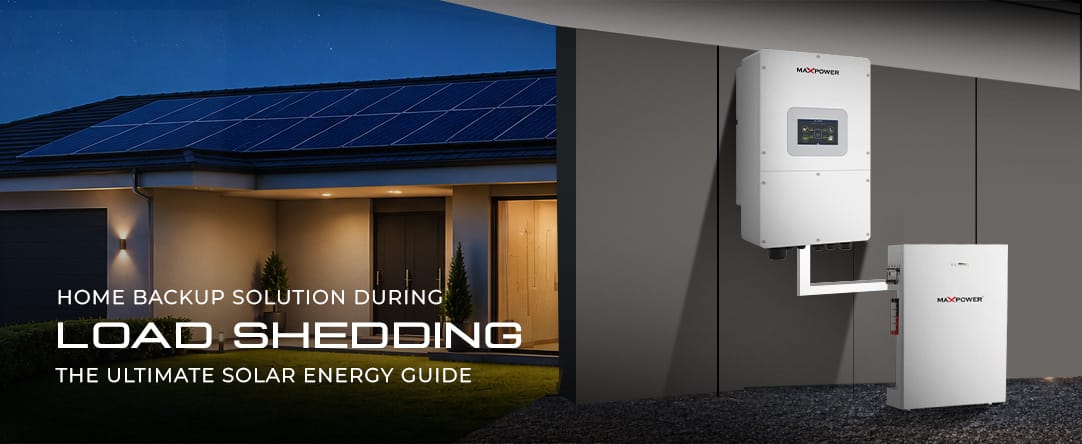
If the installer is proposing an on-grid inverter without battery storage, the honest answer is that your solar system shuts off during load shedding. Many Pakistani buyers do not realize this until after installation. Confirm whether the proposed inverter is hybrid (with battery backup) or on-grid (without backup) and choose accordingly based on your actual outage pattern.
Question 4: What Is the Panel Brand and Its Tier Classification?
Solar panels are classified by manufacturers into Tier 1, Tier 2, and Tier 3 based on financial stability, manufacturing consistency, and warranty depth. Tier 1 brands including Longi, Jinko, Canadian Solar, Trina, and JA Solar have verifiable manufacturing certification and 25-year performance warranties. Max Power’s solar panel range includes Tier 1 certified options for both residential and commercial applications. Ask for the panel datasheet with certification before confirming.
Question 5: What Is the Inverter’s IP Rating and Where Will It Be Installed?
If the installation location is on an exterior wall, under a roof canopy, or in any semi-exposed position, confirm the inverter’s IP rating is IP65 or IP66 minimum. An IP21-rated inverter in an outdoor location will fail early from dust or moisture ingress. Confirm this before any equipment is purchased.
Question 6: Will Net Metering Be Applied For?
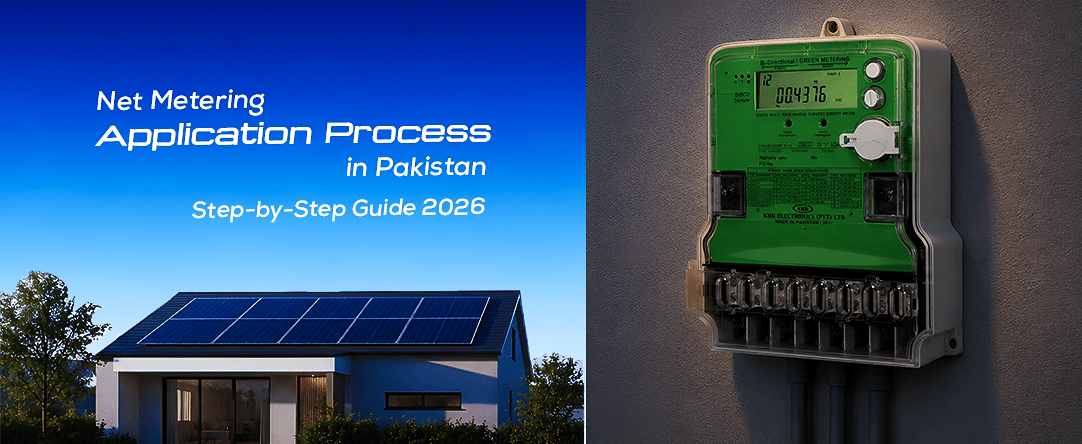
Net metering allows surplus solar generation to be exported to the DISCO grid and credited against your electricity bill. It requires AEDB documentation and a DISCO NOC. Ask whether the installer includes net metering application support in the project scope. Max Power handles net metering documentation as part of its installation service. Explore the net metering process for details.
Question 7: What Warranties Apply and How Are Claims Made?
The panel performance warranty, inverter warranty, and installation workmanship warranty should all be documented in writing before you sign. Ask specifically where you go to make a warranty claim, what the expected turnaround time is, and whether the claim process is with the installer, the distributor, or the manufacturer directly.
Question 8: How Will the System Be Monitored After Installation?
A solar system you cannot monitor is a system you cannot manage. Ask whether the inverter and battery include remote monitoring capability, what app or portal is used, and whether the installer provides any ongoing performance review service. Max Power’s MP series batteries and Voltas inverters include WiFi and app monitoring as standard.
Question 9: Has a Roof Structural Assessment Been Done?
Solar panels add dead load to a rooftop. In Pakistan, flat roof construction varies significantly in load-bearing capacity depending on the building age, construction standard, and existing roof equipment. A responsible installer assesses roof condition before confirming the panel count and mounting design. If no structural conversation has occurred, raise it before installation proceeds.
Question 10: What Is the Detailed Itemized Cost Breakdown?
A quotation that lists a single total price without itemizing panel cost, inverter cost, battery cost, mounting hardware, wiring, and installation labor is a quotation you cannot compare or verify. Ask for a fully itemized cost breakdown and compare component pricing against published market rates before accepting.
Frequently Asked Questions
How do I check if a solar installer in Pakistan is AEDB registered?
Visit aedb.org and use the installer registry. Ask the company for their AEDB registration number and verify it directly. A legitimate registered installer provides this immediately. Any hesitation or inability to provide the number is a significant red flag.
What is the most important question to ask before buying solar panels in Pakistan?
The most consequential question is whether the inverter type proposed matches your need. If your area has load shedding and you need backup power, confirm the inverter is a hybrid model with battery storage support. An on-grid inverter will not provide backup during outages regardless of how many panels are installed.
Should I ask for a panel datasheet before installation?
Yes. The panel datasheet confirms the brand, efficiency rating, temperature coefficient, and warranty terms. It also includes the certification marks confirming the panel has been tested to IEC standards. Without the datasheet, you cannot verify what you are actually purchasing or whether the panel meets the specification you were quoted.
How do I know if the solar system size proposed is correct for my home?
Ask the installer to share the load calculation that drove the system size recommendation. It should include your monthly kWh consumption, your peak simultaneous load, the panel capacity, inverter size, and battery capacity, with an explanation of how each figure was determined. If no load calculation was done, the system size is a guess. The International Energy Agency (IEA) highlights that solar system sizing should be based on actual electricity demand, peak load, and expected solar generation—not just a standard package size.
Does Max Power help with solar installation planning before purchase? ‘
Yes. Max Power’s team provides pre-purchase consultation, including load assessment, system design, and specification recommendations for residential and commercial projects.
Are You Asking the Right Questions Before Your Solar Investment?
A solar inverter that appears to be running is not always operating at its best. Incorrect battery settings, limited airflow, and improper installation details can quietly reduce performance and shorten equipment life over time.
Book a professional solar system inspection with Max Power and find out how your system is actually performing.
Get an expert inspection to identify hidden inefficiencies, verify settings, and receive practical recommendations to improve reliability, backup performance, and long term savings.