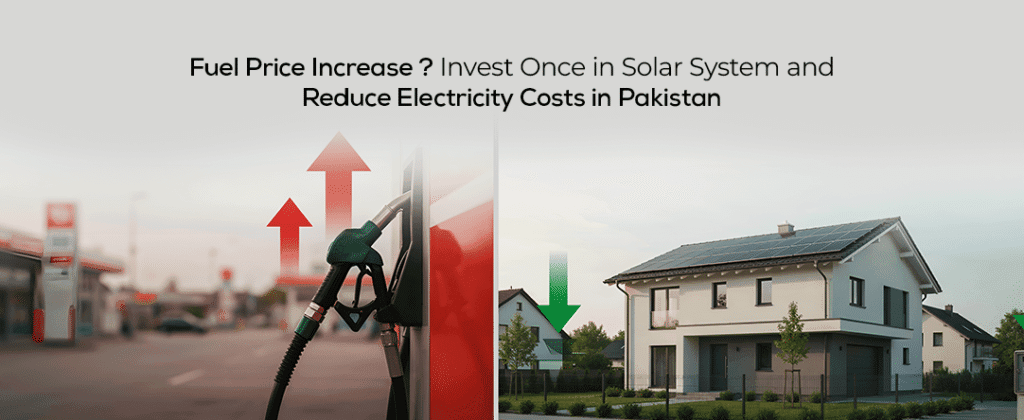
Best Solar Panel and Inverter Prices in Pakistan 2026 Guide
July 28, 2026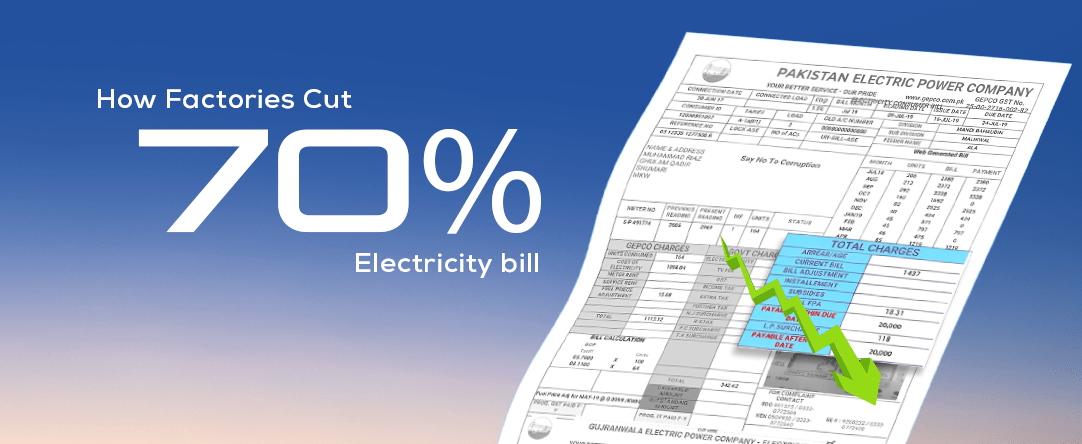
How Factories Can Reduce Electricity Bills by 70% with MaxPower Solar Energy Solutions
August 26, 2026Commercial Solar Backup in Pakistan Unlocking Energy Independence and High ROI with MaxPower
High electricity tariffs, unpredictable grid load shedding, and rising peak-hour demand charges pose major operational threats to commercial enterprises across Pakistan. Whether managing a software development firm, a retail plaza, a private hospital, or a manufacturing plant, uninterrupted power is not just a convenience—it is a core driver of business profitability.
Upgrading to an advanced commercial solar backup system from MaxPower Commercial Solar Solutions enables businesses to eliminate reliance on costly diesel generators, secure uninterrupted operational power, and stabilize long-term utility expenses.
Key Takeaways
- Drastic Cost Reduction: Cut operational overheads by substituting expensive diesel generator power with clean solar energy and battery storage.
- Seamless Power Transition: MaxPower commercial hybrid inverters switch to battery backup in milliseconds, protecting sensitive IT infrastructure and machinery.
- Net Metering Savings: Export excess daytime solar generation back to the grid to accumulate energy credits and accelerate system ROI.
- Future-Proof Energy: High-grade LiFePO4 lithium batteries deliver over 6,000+ deep-discharge cycles with zero routine maintenance.
The Commercial Reality: Beyond Basic Power Outages
For modern enterprises in Pakistan, power instability damages profitability in three major ways:
- Exorbitant Diesel Generator Bills: Operating heavy-duty backup generators during summer power cuts drives operational costs to unsustainable levels.
- Voltage Fluctuations and Equipment Strain: Unstable grid voltage and sudden blackouts damage delicate servers, HVAC systems, and automated machinery.
- Peak Operational Tariffs: Commercial electricity rates during peak daytime hours impose heavy financial burdens on high-consumption facilities.
How MaxPower Hybrid Solar Backup Works
A commercial hybrid solar installation integrates high-efficiency photovoltaic (PV) modules, smart hybrid inverters, deep-cycle lithium storage, and net metering in a single unified architecture:
┌──────────────────────────────────────────┐
│ MaxPower Solar Array │
│ (Bifacial High-Yield Panels) │
└────────────────────┬─────────────────────┘
│
▼
┌──────────────────────────────────────────┐
│ MaxPower Hybrid Inverter │
│ (Voltas / MP Industrial Series) │
└──────┬───────────────────────────┬───────┘
│ │
┌──────────────┴──────────────┐ ┌──────┴──────────────────────┐
▼ ▼ ▼ ▼
┌──────────────────┐ ┌──────────────────┐ ┌──────────────────┐
│ Uninterrupted │ │ MaxPower Lithium │ │ Utility Grid │
│ Commercial Load │ │ Battery Storage │ │ (Net Metering │
│ (Offices, Plant) │ │ (MP Ultra/Alpha) │ │ Surplus Export) │
└──────────────────┘ └──────────────────┘ └──────────────────┘
When grid power fails, the MaxPower Hybrid System instantly shifts critical commercial loads to solar and lithium storage without interrupting active operations or rebooting sensitive electronics.
Core Components of MaxPower Commercial Systems
1. High-Performance Hybrid Inverters
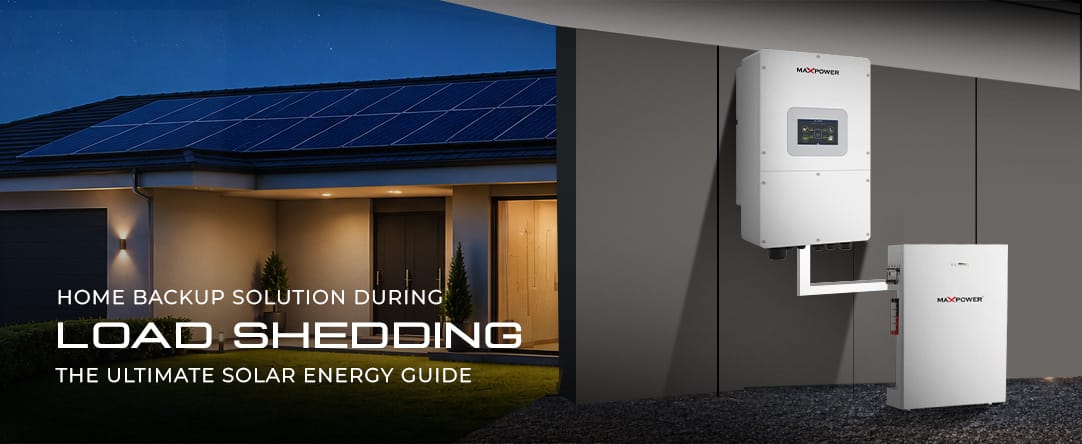
MaxPower offers commercial and industrial-grade hybrid inverters (ranging from 10 kW to 125 kW+) featuring multi-MPPT tracking, generator integration terminals, and parallel expansion support. Equipped with intuitive monitoring interfaces, these inverters continuously optimize energy flow between solar, battery, grid, and generator sources.
2. Deep-Cycle LiFePO4 Lithium Storage
Traditional lead-acid or tubular batteries fail quickly under heavy daily load shedding. MaxPower Lithium-Ion Batteries (such as the MP Ultra and Alpha series) provide:
- Deep Depth of Discharge (DoD): Up to 80–90% usable capacity without cell degradation.
- Fast Charging: Rapid recharge cycles between power cuts.
- Extended Lifespan: 6,000+ cycles backed by comprehensive multi-year warranties.
3. High-Efficiency Solar PV Modules
MaxPower uses high-efficiency Tier-1 bifacial solar modules engineered to perform effectively under local environmental conditions, including high ambient temperatures, dust, and intense sunlight.
Commercial System Sizing Guide
Determining the ideal system capacity depends on daily energy usage, peak operational equipment, and required backup duration during power outages:
| System Capacity | Ideal Business Type | Typical Appliance Coverage | Primary Financial Benefit |
| 10 kW – 15 kW | Retail Outlets, Clinics, Small Offices | Lighting, POS systems, computers, 2–3 inverter ACs | Eliminates routine generator usage & cuts monthly grid bill. |
| 20 kW – 30 kW | Software Houses, BPO Centers, Medium Offices | Centralized servers, workstations, multi-split ACs | Zero server downtime and seamless continuous workflow. |
| 50 kW – 100 kW+ | Commercial Plazas, Hospitals, Factories | Heavy machinery, central HVAC, elevators, continuous production | Drastic diesel cost reduction and maximum net-metering credits. |
Explore completed commercial and industrial installations on the MaxPower Portfolio.
Financial Impact: Return on Investment (ROI)
Installing a commercial solar backup system with MaxPower is a strategic capital investment with clear financial returns:
- Short Payback Period: Most commercial systems achieve full financial payback within 3 to 4 years through utility bill savings and eliminated fuel costs.
- Long-Term Protection: Provides 25+ years of predictable energy costs, shielding businesses from future grid tariff increases.
- Net Metering Revenue Generation: Exporting surplus electricity generated during weekend closures or off-peak hours offsets night-time energy consumption.
Frequently Asked Questions
What is the difference between an On-Grid and a Hybrid commercial solar system?
An On-Grid system operates only when the utility grid is online, exporting surplus energy to lower monthly bills, but shuts down during grid outages for safety. A Hybrid system combines solar generation with battery storage (such as MaxPower LiFePO4 lithium batteries), providing uninterrupted backup power during load shedding while maintaining net-metering functionality.
How much can a business save on diesel generator costs with MaxPower solar backup?
Commercial enterprises typically reduce generator fuel consumption by 60% to 90%. During daytime load shedding, the system runs equipment directly on solar energy and lithium battery storage, using generators only as an optional secondary backup during prolonged cloud cover or extended night outages.
Can a commercial solar system run heavy loads like air conditioners and machinery?
Yes. MaxPower custom-engineers commercial solar setups to handle high-surge starting currents required by industrial motors, central air conditioning, and heavy commercial machinery. Inverters can also be configured in parallel to scale overall system capacity as business demand grows.
Why are Lithium-Ion batteries preferred over Lead-Acid batteries for commercial backup?
Lithium-Ion (LiFePO4) batteries offer significantly higher energy efficiency (~95%), faster charging rates, zero routine liquid maintenance, and a far longer service life (over 6,000 cycles compared to 500–1,000 cycles for lead-acid). This makes lithium the most cost-effective solution for commercial applications over a multi-year period.
How long does it take to implement a commercial solar project with MaxPower?
A typical commercial project—including initial site feasibility evaluation, custom engineering design, component procurement, mounting structure installation, commissioning, and net-metering license processing—is usually completed within 3 to 6 weeks depending on system scale and utility grid approval.
Secure Uninterrupted Power for Your Enterprise Today
Ready to shield your business from load shedding and lower your operational expenses? Visit MaxPower or explore MaxPower Commercial Solar Solutions to request a customized site evaluation and energy audit.