Solar Panels Are Here To Be a Hot Trend In 2026
November 15, 2022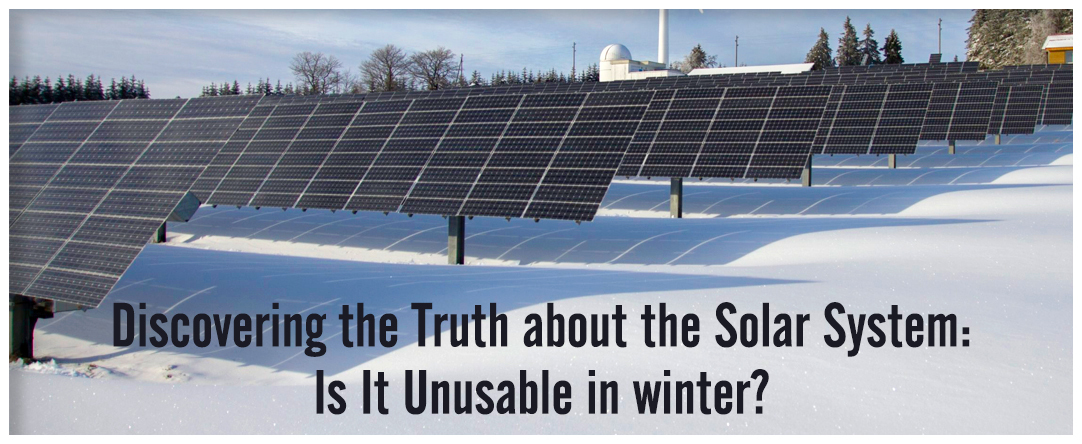
Discovering the Truth about the Solar System: Is It Unusable in winter?
December 14, 2022
When selecting roofing panels, there are several factors to consider: material type (metal, asphalt, synthetic, etc.), warranty coverage, installation method, and long‑term durability. But if you’re also thinking about solar panels—photovoltaic modules that generate electricity—it’s important not to confuse them with roofing insulation panels, which are designed to improve thermal performance and weather protection.
This guide will help you understand the difference and choose the right solution for your home or business.
What Are Solar Panels and What Do They Do?
Photovoltaic solar panels are devices that convert sunlight directly into electricity. They are not insulation; they are power‑generating components typically mounted on roofs, carports, or ground structures.
Key points:
- Solar panels are made of solar cells (usually silicon‑based) that produce DC electricity when exposed to light.
- They are connected to inverters that convert DC to AC power for use in your home or business.
- Modern panels are designed to last 25–30 years or more, with performance warranties often guaranteeing 80–85% output after 25 years.
By contrast, roofing insulation panels (sometimes called “solar insulation panels” in marketing) are designed to:
- Provide thermal insulation, reducing heat gain in summer and heat loss in winter.
- Offer weather protection and sometimes soundproofing.
- They may use adhesives or mechanical fasteners to attach to roofs or walls.
If you’re looking for energy generation, you need photovoltaic solar panels. If you’re looking to improve insulation and comfort, you’re likely considering roofing insulation panels.
How to Choose the Right Solar Panel
When selecting photovoltaic solar panels, focus on:
- Panel Type and Efficiency
- System Size and Wattage
- Budget and Long‑Term Value
- Warranties and Brand Reputation
1. Panel Type: Monocrystalline, Polycrystalline, and Thin‑Film
The main categories of solar panels in 2026 are:
- Monocrystalline
- Made from single‑crystal silicon.
- Higher efficiency (~20–24% for modern panels).
- Better performance in high temperatures and low light.
- More expensive per panel but often better value per kWh over time.
- Ideal where roof space is limited or you want maximum output.
- Polycrystalline
- Made from multiple silicon crystals.
- Slightly lower efficiency (~17–19%).
- Lower cost; good where space is not a major constraint.
- Still widely used, especially in budget‑conscious installations.
- Thin‑Film (Amorphous Silicon, CdTe, CIGS)
- Very thin layers of photovoltaic material.
- Lower efficiency (~10–18%) but lightweight and flexible.
- Often used in large‑scale projects, special surfaces, or where weight is a concern.
For most homes and businesses, monocrystalline panels offer the best balance of efficiency, durability, and long‑term savings.
2. System Size and Wattage
The number and size of panels you need depend on:
- Your average daily or monthly electricity consumption (in kWh).
- Available roof or ground space.
- Local sunlight conditions and shading.
A typical residential system might be:
- 3–6 kW for modest homes or partial offset.
- 8–12 kW for larger homes or high electricity use.
- 15 kW+ for commercial or industrial applications.
Individual panel wattages in 2026 commonly range from 400 W to 700 W, so a 10 kW system might require roughly 14–25 panels, depending on their rating.
To estimate:
- Check your electricity bill for monthly kWh usage.
- Divide by 30 to get approximate daily kWh.
- Use a solar calculator or consult an installer to determine how many panels you need to cover that usage, considering local sun hours and system losses.
3. Budget and Long‑Term Value
- Smaller, lower‑power systems cost less upfront but may not fully offset your bills.
- Larger, higher‑efficiency systems cost more initially but can deliver greater savings over their lifetime.
- Look for:
- Rebates, tax credits, or incentives.
- Financing options (loans, leases, PPAs).
- Net metering policies that let you earn credits for excess energy.
Aim for a system that fits your budget while maximizing your return on investment and energy independence.
4. Warranties and Brand Reputation
When comparing solar panels, check:
- Product Warranty – typically 10–12 years for defects and workmanship.
- Performance Warranty – often 25 years, guaranteeing a minimum output (e.g., 80–85% of original capacity).
- Manufacturer reputation – established brands usually offer better support and reliability.
Reputable installers like MaxPower can help you compare options and choose panels that match your needs and risk tolerance.
How Much Solar Panel Should You Purchase?
The right amount of solar depends on your goals:
- Full Offset – enough panels to cover 100% or more of your annual electricity use.
- Partial Offset – a smaller system that reduces bills but doesn’t eliminate them.
- Backup‑Focused – a system sized primarily to power critical loads during outages (often paired with batteries).
Steps to estimate:
- Review your electricity bills – note your average monthly kWh.
- Set a target – e.g., “I want to cover 70% of my usage.”
- Consult a professional – they can model production based on your location, roof orientation, and shading.
A rough rule of thumb:
In many sunny regions, 1 kW of solar can produce 3–5 kWh per day, depending on conditions. Use that to gauge how many kW you need to meet your daily or monthly consumption.
What to Look for in a Solar Panel System
When evaluating a solar panel system, consider:
- Your Needs
- Do you want to reduce bills, gain backup power, go off‑grid, or meet sustainability goals?
- This determines whether you need an on‑grid, hybrid, or off‑grid system.
- System Components
- Panels – type, efficiency, warranty.
- Inverter – grid‑tie, hybrid, or off‑grid; efficiency and features.
- Mounting – roof, ground, or canopy; compatibility with your structure.
- Batteries (if any) – chemistry (e.g., LiFePO4), capacity, cycle life.
- Dealer and Installer Quality
- Choose a licensed, experienced installer with good reviews.
- Verify they use quality materials and follow local codes and standards.
- Ask about post‑installation support, monitoring, and maintenance.
- Cost and Financing
- Get multiple quotes and compare not just price, but also equipment quality, warranties, and service.
- Check available incentives and whether the installer helps you access them.
- Patience and Planning
- Solar installation involves site assessment, design, permitting, installation, and commissioning.
- Allow enough time for each step, especially if grid connection or net metering approval is required.
Conclusion
Choosing the right roofing and solar solutions involves understanding your goals, budget, and local conditions. If you’re focused on generating your own electricity, photovoltaic solar panels are the way to go—offering long‑term savings, energy independence, and environmental benefits.
If you’re primarily interested in improving insulation and comfort, roofing insulation panels may be more appropriate, though they won’t generate power.
For solar panels, key takeaways are:
- Prefer monocrystalline panels for most residential and commercial applications.
- Size your system based on your energy usage and goals.
- Work with a reputable provider like MaxPower to ensure proper design, installation, and support.
By making informed choices, you can select a system that meets your needs, fits your budget, and delivers reliable performance for decades.