Seven Benefits of Using Solar Panels at your Home
November 10, 2022
Solar Panels | The Ultimate Buying Guide
November 17, 2022
Solar panel systems represent an effective operational decision for residential, commercial, and industrial property management. Generating clean electricity directly from solar irradiance cuts grid dependence, protects against rising utility tariffs, and reduces long-term carbon emissions.
Below is an updated guide to choosing the right PV equipment, evaluating system architecture, and planning a professional solar deployment.
1. How to Select the Ideal Solar Configuration
Selecting the right setup requires balancing total load requirements, system topology, hardware efficiency, and long-term return on investment (ROI).
A. Calculate Load Requirements & System Sizing
-
Review Utility Bills: Evaluate average monthly kWh consumption across peak and off-peak rate windows.
-
Size System Capacity: Residential setups typically range from 3 kW to 15 kW; commercial and industrial installations span 20 kW to several megawatts.
-
Account for Growth: Factor in future electrical additions such as EV charging stations, heat pumps, or factory machinery expansion.
B. Choose System Architecture & Inverter Technology
| System Type | Grid Connection | Battery Storage | Primary Use Case |
| On-Grid System | Yes | No | Direct utility bill reduction via net metering; lowest upfront cost. |
| Off-Grid System | No | Yes | Remote locations without utility access; requires full battery sizing. |
| Hybrid System | Yes | Yes (LiFePO4) | Continuous backup during grid outages combined with net-metering exports. |
C. Evaluate PV Module Efficiency Types
-
N-Type TOPCon & Bifacial Panels: Industry benchmark for 2026 (~21.5%–23% efficiency). Bifacial modules absorb direct sunlight on the front and ground-reflected light (albedo) on the rear.
-
Monocrystalline PERC: Standard high-efficiency residential panels (~20%–21% efficiency) offering strong thermal tolerance.
-
Polycrystalline: Legacy technology (~17%–19% efficiency); suitable only where roof space is unconstrained and initial budget is low.
D. Financial Planning & Payback Target
-
Upfront vs. Lifetime Yield: Higher-efficiency monocrystalline and N-type panels yield greater long-term savings per square meter.
-
Target Payback: Most commercial and residential setups achieve full payback within 3 to 6 years, depending on local net-metering policies and peak electricity tariffs.
2. Primary Advantages of Solar Integration
-
Cost Reduction & Net Metering: Solar electricity operates at a fraction of utility grid rates. Bi-directional meters send surplus generation back to the grid for net-metering credits.
-
Low Operational Maintenance: PV modules have no moving parts, requiring routine dust clearing and periodic inverter checks.
-
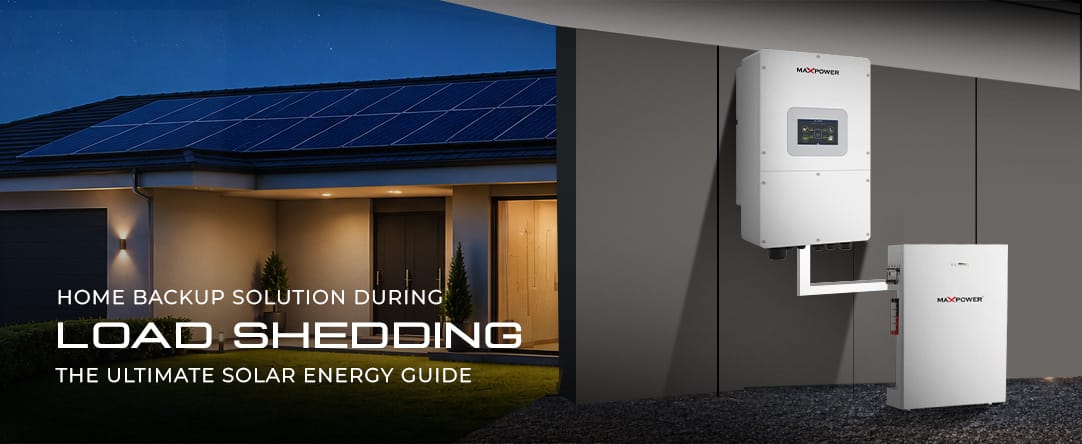
Energy Security: Hybrid setups paired with high-cycle Lithium Iron Phosphate (LiFePO4) batteries provide seamless backup during utility outages.
-
Environmental Impact: Directly displaces fossil-fuel power generation, cutting metric tons of annual CO₂ emissions.
3. Recommended Installation Locations
  [ Roof Mounts ]      ──► South-Facing Pitch  ──► Optimal Solar Angle
  [ Ground Arrays ]     ──► Open Acreage        ──► Flexible Tilt & Easy Wash
  [ Solar Canopies ]   ──► Carports/Parking    ──► Dual Land Use & Vehicle Shade
-
Rooftops: Ideal for homes and commercial facilities. South-facing pitches deliver maximum generation in the Northern Hemisphere, though east/west setups perform effectively with modern MPPT inverters.
-
Ground Mounts: Preferred for industrial plants, agricultural farms, and sites with unshaded ground space.
-
Solar Carports & Canopies: Dual-purpose shade structures popular over commercial parking lots, schools, and factory yards.
4. The Installation Roadmap: Step-by-Step
1. Site Audit & Energy Assessment
Engineers evaluate structural roof loading, shading patterns, transformer capacities, and electrical distribution panels.
2. Permitting & Net-Metering Approvals
System engineering drawings are submitted to municipal authorities and local electricity distribution companies (DISCOs) for net-metering compliance.
3. Equipment Mounting & Wiring
Installers secure anti-corrosive racking, place PV modules, route weather-sealed DC/AC conduit, and install IP-rated hybrid/on-grid inverters alongside surge protection devices.
4. Testing, Commissioning & Monitoring
The system undergoes grounding audits, string-voltage verification, and grid synchronization. Mobile apps provide real-time monitoring of power output, battery state-of-charge, and grid export stats.
Frequently Asked Questions
How do N-type TOPCon and bifacial panels compare to standard mono PERC panels?
N-type TOPCon panels offer higher module efficiency (above 22%), lower annual degradation rates, and superior performance in high ambient heat. Bifacial panels capture additional ambient sunlight reflected off the roof or ground surface on their rear side, raising overall system output by up to 10–20%.
What size hybrid solar inverter is needed for a 5kW to 10kW residential system?
A 5kW to 6kW hybrid inverter handles standard medium residential loads, while a 10kW hybrid inverter supports large homes with multiple air conditioners. Units with dual MPPT trackers allow panels to be mounted on two different roof angles for balanced power generation throughout the day.
How long do modern lithium (LiFePO4) solar batteries last compared to lead-acid?
LiFePO4 lithium batteries deliver 6,000+ charge cycles and last 10 to 15 years, compared to 2 to 3 years for lead-acid or tubular batteries. They charge faster, offer 90%+ depth of discharge (DoD), and operate safely without requiring water refills or gas venting.
Does net metering allow solar owners to completely eliminate electricity bills?
Net metering allows solar owners to offset peak usage and accumulate utility credits for excess power exported to the grid. While fixed utility service charges remain, a properly sized on-grid or hybrid system can reduce total monthly electricity costs by up to 80–90%.