
 📅 Dec 14, 2022
Discovering the Truth about the Solar System: Is It Unusable in winter?
December 14, 2022 📅 Dec 17, 2022
Cold Weather and Solar Panels: Get the Most Out of Your System
December 17, 2022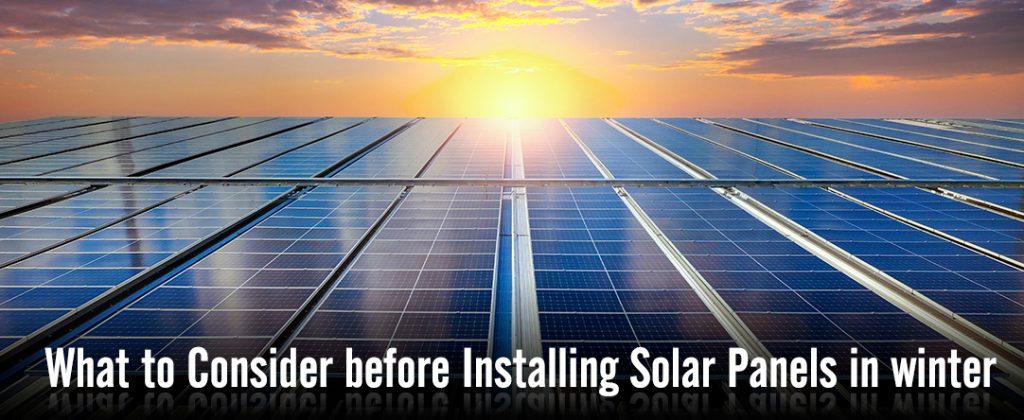
Installing solar panels in winter can be a smart move, but it’s important to understand how cold weather affects performance and what you should consider before installation. This updated guide covers the benefits, key factors, and practical tips for installing solar panels in winter, tailored to 2026 conditions.
Benefits of Installing Solar Panels in Winter
Installing solar panels during colder months offers several advantages:
1. Reduced Energy Bills
- In many regions, electricity demand peaks in winter due to heating needs.
- Solar panels can offset part of this higher consumption, lowering your bills.
- Even with shorter days, modern panels still generate useful power, especially on clear, cold days.
2. Positive Impact on Climate Change
- Solar panels produce zero emissions during operation.
- By generating renewable energy, you reduce reliance on fossil fuels and lower CO₂ emissions.
- Over time, this contributes to climate goals and cleaner air.
3. Long‑Term Savings
- Many homeowners and businesses see significant reductions in electricity bills after installing solar.
- Even in cold climates, well‑designed systems can cut bills by 25–50% or more, depending on system size, usage, and local rates.
4. Potential Installation Advantages
- Some installers have more availability in winter, which can mean:
- Faster scheduling.
- Possible discounts or promotions.
- Cooler weather can also be more comfortable for installers working on roofs.
Factors to Consider Before Installing Solar in Winter
Winter installation requires extra attention to weather, safety, and system design.
Weather Conditions
- Cold temperatures can affect materials and installation processes (e.g., adhesives, sealants).
- Snow and ice may delay work or require special safety measures.
- Shorter daylight hours mean less working time per day, which can extend the installation timeline.
Roof Condition and Load
- Ensure your roof is structurally sound and can support the added weight of panels, snow, and mounting hardware.
- If your roof is old or damaged, consider repairs or replacement before installing solar.
- Check for leaks, rot, or weak spots that could worsen under winter conditions.
Panel Orientation and Tilt
- In winter, the sun is lower in the sky, so:
- South‑facing roofs (in the Northern Hemisphere) usually perform best.
- East‑ and west‑facing roofs can still work but may produce less.
- Proper tilt angle helps capture more winter sun; adjustable mounts can optimize seasonal performance.
Snow and Shading
- Snow cover can block sunlight and reduce output.
- Panels are usually installed at an angle, which helps snow slide off, but:
- Heavy snow may still accumulate.
- Consider snow guards or manual clearing if you live in a high‑snow area.
- Avoid areas with winter shading from trees, buildings, or chimneys.
Electrical Safety and Permits
- Winter conditions can increase risks (wet surfaces, ice, wind).
- Work with licensed electricians and certified installers who follow local codes.
- Ensure proper grounding, wiring protection, and weatherproofing.
- Obtain all required permits and approvals before starting work.
How to Maximize Efficiency When Installing Solar in Winter
To get the most from your winter solar installation:
1. Optimize System Design
- Choose high‑efficiency panels (monocrystalline PERC or N‑type bifacial) to maximize output in limited daylight.
- Use optimizers or microinverters to reduce losses from shading or snow on individual panels.
- Size the system to cover a meaningful portion of your winter energy needs, not just summer peaks.
2. Improve Insulation and Energy Efficiency
- Before installing solar, insulate your home:
- Add or upgrade insulation in walls, attic, and floors.
- Seal gaps around windows and doors.
- Use energy‑efficient windows and doors.
- This reduces your overall heating demand, making solar’s contribution more effective.
3. Consider Hybrid or Battery Systems
- In areas with frequent winter outages or high evening demand, hybrid systems with batteries (e.g., LiFePO4) can:
- Store excess solar energy for use at night or during outages.
- Provide backup power for heating systems or critical loads.
- Batteries improve energy independence and can enhance savings if time‑of‑use rates apply.
4. Plan for Snow and Maintenance
- Install panels at a steeper tilt in snowy regions to encourage snow shedding.
- Keep access paths clear for safe cleaning and inspection.
- Consider remote monitoring to track performance and detect issues early.
5. Work with Experienced Professionals
- Choose installers with experience in winter installations and knowledge of local climate challenges.
- Ask about:
- Warranties on workmanship and components.
- Performance guarantees (e.g., minimum annual production).
- Maintenance plans and support services.
Common Misconceptions About Solar in Winter
Some points in the original text need clarification:
- “Cold weather decreases efficiency by up to 50%” – This is misleading.
- Solar panels actually perform better in cool, sunny conditions than in very hot weather.
- Efficiency losses from heat are typically 0.3–0.5% per °C above 25°C.
- In cold weather, panels can be more efficient, but shorter days and lower sun angle reduce total energy production.
- “Install more panels or use more powerful light bulbs to compensate for lost output” –
- Adding panels can help, but “light bulbs” refers to solar lighting, not grid‑tied systems.
- For home systems, focus on proper sizing, orientation, and efficiency, not extra lighting.
- “Trench systems are best for winter installation” –
- Trenching is one method for underground wiring, not specifically tied to winter.
- The best method depends on site conditions, local codes, and cost, not the season.
Wrapping Up
Installing solar panels in winter can be a great way to reduce energy bills, lower your carbon footprint, and increase energy independence. With careful planning, the right system design, and professional installation, you can enjoy the benefits of solar energy even in colder months.
Key takeaways:
- Assess your roof and energy needs before committing.
- Choose high‑efficiency panels and appropriate inverters for your climate.
- Plan for snow, shading, and safety in winter conditions.
- Improve insulation and overall energy efficiency to maximize savings.
- Work with reputable installers who understand winter challenges.
By taking these steps, you can make the most of your solar investment and enjoy cleaner, cheaper power year‑round.

Related posts


Comparison of monocrystalline and polycrystalline solar panels for Pakistan's energy needs.