📅 Aug 3, 2023
Sun-Powered Dreams: The Role of Solar Panels in Uplifting Pakistan’s Middle-Class Lifestyle
August 3, 2023 📅 Jul 17, 2023
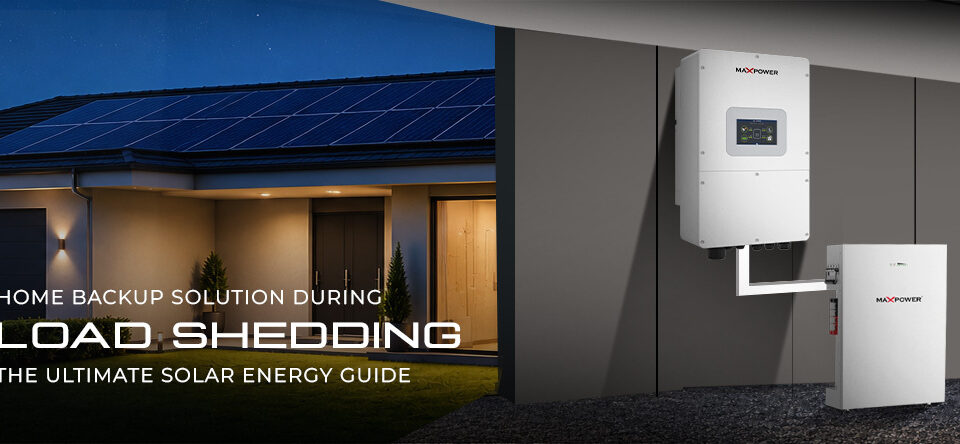
MaxPower’s Hybrid Solar Systems for an Efficient and Sustainable Future
July 17, 2023
Global energy adoption is shifting rapidly toward renewable solutions as households look to lower utility costs, secure backup power, and minimize their carbon footprint. For a compact 2-bedroom residence, selecting the correct system capacity and setup configuration is crucial to balancing initial capital investment with long-term energy generation.
Understanding Residential Solar Power Basics
Every residential photovoltaic (PV) system consists of three main hardware components:
-
Photovoltaic (PV) Modules: Capture sunlight photons and convert them into Direct Current (DC) electricity. High-efficiency bifacial half-cut panels maximize output even on constrained rooftop footprints.
-
Solar Inverter: The central processing hub that converts raw DC energy into synchronized Alternating Current (AC) electricity for household appliances.
-
Energy Storage (Battery Bank): Retains excess daytime generation for power backup during load shedding or nighttime consumption. High-density lithium-ion batteries deliver longer cycle life and higher depth of discharge compared to traditional lead-acid options.
Comparative Analysis: On-Grid vs. Off-Grid vs. Hybrid Systems
| Feature | On-Grid System | Off-Grid System | Hybrid System |
| Grid Connection | Connected to DISCO grid | Independent (No grid connection) | Connected to DISCO grid |
| Battery Storage | Not required | Essential for 24/7 power | Integrated for load shedding backup |
| Power Outage Operation | Shuts down for safety (anti-islanding) | Continuous operation | Uninterrupted power transition |
| Net Metering Capability | Supports export credits | N/A | Supports daytime self-consumption & export |
| Best Suited For | Areas with stable 24/7 grid supply | Remote rural sites without grid access | Regions with frequent load shedding & high grid tariffs |
Sizing Guidelines for a 2-Bedroom Residence
A typical 2-bedroom home running essential appliances—including an inverter air conditioner, refrigerator, fans, LED lighting, and a water pump—generally requires a 3 kW to 5 kW solar power system.
-
3.2 kW to 3.6 kW Setup: Powers basic household loads, 1 inverter AC (1.5 ton) during peak daylight hours, fans, lights, and refrigerator.
-
5 kW Setup: Supports 2 inverter ACs, refrigerator, water pump, and essential power backup through paired battery storage.
Feature Spotlight: Maxpower Solutions for Compact Homes
Deploying solar equipment tailored to regional climate demands ensures optimal performance during high summer temperatures and grid fluctuations. Systems available through maxellpower.com feature hardware engineered for reliability:
-
High-Efficiency Inverters: Models like the Maxpower PV Tech 5000 (3.6 kW output with 5000W PV input) or Suntronic PV series deliver pure sine wave power, wide MPPT operating ranges (40–450VDC), and fast 10 ms transfer times during load shedding.
-
Lithium Battery Compatibility: Integrates seamlessly with low-voltage storage such as the MP-5000 Alpha Lithium Battery or MP-2500 Alpha series, delivering fast charging and extended backup cycles.
-
Space-Optimized PV Panels: High-wattage MP Bifacial Half-Cut Photovoltaic Modules generate higher yield per square foot, making them ideal for small rooftops.
-
Smart App Monitoring: Built-in WiFi and RS485 interfaces allow homeowners to monitor generation, load usage, and battery state-of-charge in real time via mobile apps.
For system component comparisons, review our detailed guide on buying the best solar inverter for residential use. Discover technical specifications and hardware datasheets on the official Maxpower Product Catalog.
Frequently Asked Questions
What system size is ideal for a small 2-bedroom home?
A 3 kW to 5 kW solar system is generally sufficient to power standard 2-bedroom household loads, including 1 to 2 inverter air conditioners, fans, lighting, a refrigerator, and a water pump.
Can a 3.6 kW hybrid inverter run an inverter AC directly during the day?
Yes. A 3.6 kW hybrid inverter like the PV Tech 5000 supports up to 5000W of PV panel input, easily running a 1.5-ton inverter AC alongside essential household loads during daylight hours.
How does a hybrid system handle power outages (load shedding)?
When the utility grid goes down, a hybrid inverter automatically disconnects from the grid and switches to battery backup in under 10 milliseconds, ensuring uninterrupted power for connected appliances.
Is lithium battery storage better than lead-acid batteries for small home setups?
Lithium-ion batteries (such as the MP Alpha series) offer significant advantages, including higher depth of discharge (up to 90%), faster charging times, compact dimensions, and a lifespan of 8–10 years compared to 2–3 years for lead-acid batteries.
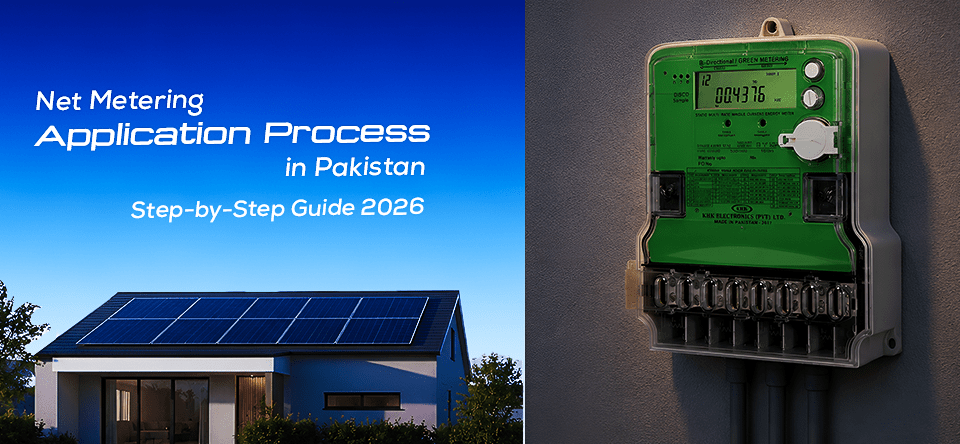
Can I connect net metering to a 5 kW residential hybrid system?
Yes. A compliant single-phase hybrid solar system can be connected to a bi-directional net meter, allowing you to export daytime surplus generation back to your local DISCO network for billing credits.