Solar Panels for Businesses: Why Pakistani Entrepreneurs Should Invest Now
August 25, 2023
Powering Pakistan’s Elite: The Growing Importance of Solar Panels in Affluent Families
August 3, 2023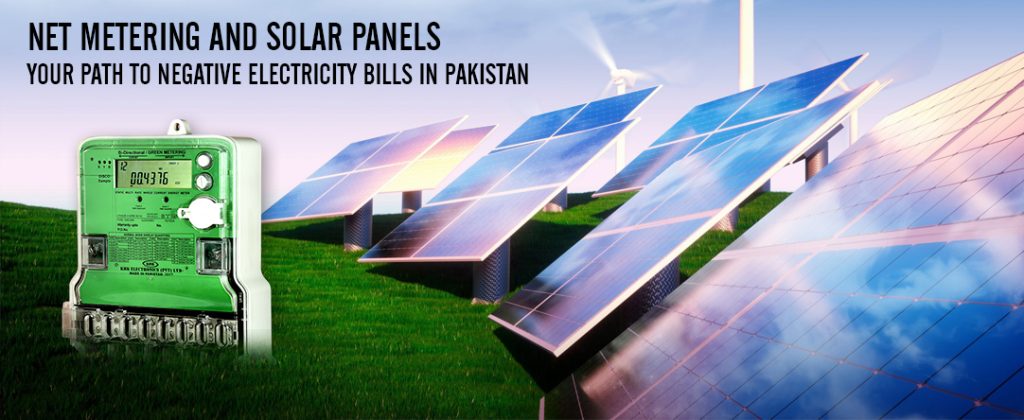
Harnessing Solar Net Metering in Pakistan: A Path to Energy Independence
Harnessing the sun’s power isn’t just a trend; it’s a structural transformation in energy management. Especially in Pakistan, where solar net metering promises substantial cost savings and relief from rising electricity bills, adopting photovoltaic technology provides a direct route to financial and environmental stability.
Core Benefits of Solar Net Metering in Pakistan
1. Significant Reductions in Utility Overhead
Rooftop solar generation offsets expensive electricity drawn from local distribution companies (DISCOs). Under bi-directional net metering and prosumer billing frameworks, electricity generated during daytime hours reduces grid dependence. When generation exceeds real-time household consumption, surplus units export back to the grid, earning billing credits that offset evening power imports.
2. Protection Against Grid Instability and Outages
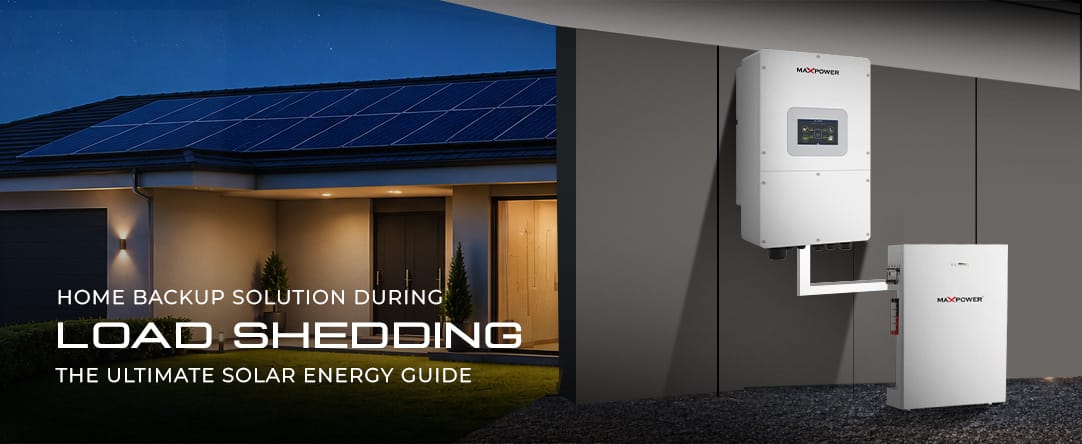
Daily power interruptions and load shedding present recurring challenges across urban and rural centers in Pakistan. Pairing an on-grid net metering array with a high-performance hybrid inverter allows homeowners to maintain power independence during blackouts while maintaining seamless integration with the local electrical grid.
3. Reduced Carbon Footprint and Smog Mitigation
Generating clean power from abundant regional sunlight reduces national reliance on imported fossil fuels, heavy furnace oil, and coal-fired plants. Scaled across residential and commercial sectors, solar adoption directly cuts greenhouse gas emissions and helps combat seasonal urban smog in cities like Lahore, Faisalabad, and Karachi.
4. Asset Value Appreciation
Properties equipped with compliant, bi-directional net metering infrastructure command higher market valuation. Prospective buyers recognize turnkey solar setups as operational assets that permanently lower household overhead and eliminate future installation overhead.
Technical Breakdown: How Net Metering Functions
-
Photovoltaic Conversion: Solar panels absorb sunlight photons, exciting silicon semiconductors to generate Direct Current (DC) electricity.
-
Power Inversion: A central or hybrid Maxpower solar inverter converts DC current into synchronized Alternating Current (AC) for household appliances and commercial machinery.
-
Bi-Directional Metering: A dual-register energy meter tracks energy flow in both directions:
-
Import Mode: Draws electricity from DISCO grid lines when household demand exceeds solar output (e.g., at night).
-
Export Mode: Feeds excess daytime solar power back into the utility grid, recording generation credits.
-
-
Billing Offsets: At the end of the monthly billing cycle, your local DISCO nets exported units against imported consumption, significantly lowering or neutralizing overall energy costs.
Comparing Legacy Net Metering vs. Prosumer Net Billing
| Dimension | Legacy Net Metering Framework | Modern Prosumer Net Billing System |
| Billing Model | 1:1 Unit Exchange Ratio | Separate Import & Export Rate Calculation |
| Export Credit Value | Standard Retail Tariff Rate | National Wholesale Buyback Rate (~PKR 11–13/kWh) |
| System Optimization | Scaled for maximum export volume | Sized for maximum daytime self-consumption |
| Operational Priority | Grid export offset | Running heavy daytime loads (Inverter ACs, pumps) |
For equipment selection and sizing insights, read our technical guide on buying the best solar inverter for residential use.
Strategic Advantages of Partnering with Maxpower Solutions
Deploying a reliable net-metering framework requires robust hardware engineering capable of handling local climatic conditions and grid voltage variances:
-
Engineered for Extreme Climates: Systems built through maxellpower.com feature IP65/IP66 weatherproofing and wide DC input ranges designed to handle intense summer heat, dust accumulation, and voltage spikes.
-
Hybrid Storage Ecosystems: Integrating solar arrays with advanced Maxpower hybrid solar inverters and Maxpower lithium batteries ensures continuous backup power during grid failures while optimizing net-metering exports.
-
Turnkey Compliance: Complete support for local DISCO single-line diagrams (SLDs), equipment safety standards, and bi-directional meter commissioning.
To explore seasonal system optimization, check out our tutorial on maximizing solar performance in cold weather. Discover full product specs on the official Maxpower Solar Blog.
Frequently Asked Questions
How does a bi-directional net meter differ from a conventional electricity meter?
A conventional meter only records power imported from the electrical grid. A bi-directional meter contains two separate registers to track both imported energy and the excess solar electricity exported from your rooftop back to the DISCO network.
What happens to surplus energy generated during peak sunlight hours?
Surplus electricity flows through your bi-directional meter into the grid. Under NEPRA regulations, exported units generate monetary credits that reduce your net monthly utility bill.
Can an on-grid net metering system provide electricity during a power outage?
Standard grid-tied inverters automatically shut down during blackouts to protect utility line workers. However, installing a hybrid inverter paired with lithium battery storage allows your system to instantly switch to off-grid mode, powering essential household loads during outages.
How long does the net metering licensing and approval process take in Pakistan?
The full process—including system installation, single-line diagram (SLD) approval, DISCO inspection, and final bi-directional meter installation—typically takes between 3 to 6 weeks depending on your regional distribution company (e.g., LESCO, K-Electric, IESCO).
What maintenance is required to keep a net-metered solar system operating at peak output?
Solar PV systems require minimal mechanical maintenance. Regularly washing ambient dust, soot, and debris off the glass panel surfaces once or twice a month maintains maximum light absorption and generation efficiency.