📅 Apr 28, 2023
Solar Energy and Summer Storms: The Perfect Match for Reliable Power
April 28, 2023 📅 Apr 27, 2023
Solar Power: The Ultimate Resilience Tool against Natural Disasters
April 27, 2023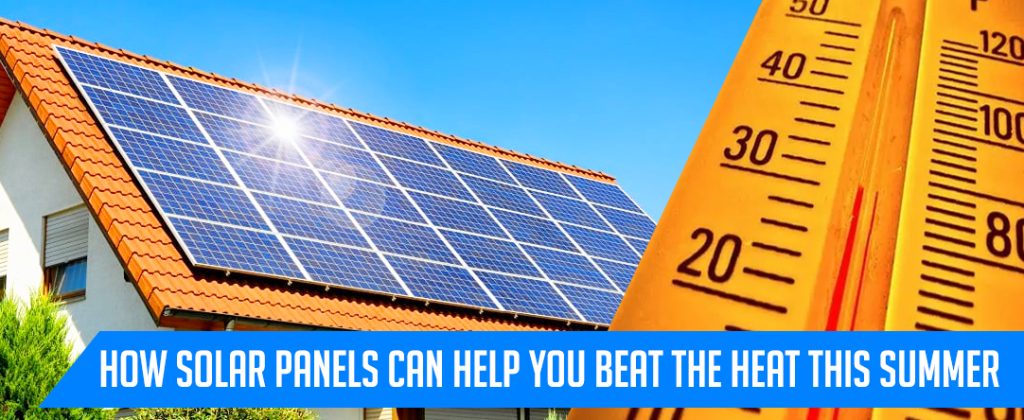
Beating the Summer Heat: Harnessing Solar Energy for Maximum Cooling & Savings
As global temperatures rise, finding energy-efficient solutions to beat the heat becomes essential. During intense summer months, traditional air conditioning units consume massive amounts of power, driving up electricity bills and placing strain on grid infrastructure. Solar panels offer an eco-friendly and cost-effective solution, allowing you to generate your own clean electricity directly when cooling demands peak.
This comprehensive guide covers the science of solar energy, the benefits of summer generation, how to maximize system production, financing options, emergency preparedness, and the future of solar technology.
The Science of Solar Energy
Solar panels convert sunlight into electrical power using photovoltaic (PV) cells. When photons from sunlight strike these silicon cells, they excite free electrons, producing direct current (DC) electricity. A solar inverter then converts this DC energy into alternating current (AC) power suitable for household appliances.
Production vs. Peak Consumption
Solar generation inherently mirrors summer cooling demand: maximum sunlight coincides with peak air conditioning usage. Storing excess energy using Maxpower lithium batteries ensures uninterrupted power during high-consumption periods or evening peak hours.
Summer Solar Performance Checkpoint
| Factor | Summer Operational Dynamics | System Optimization Solution |
| Peak Irradiance | Extended daylight hours increase daily kWh generation | Align panel arrays South or Southwest for maximum sun capture |
| Thermal Resistance | High ambient temperatures reduce panel operating voltage | Install panels with adequate roof clearance to maintain airflow |
| Cooling Load | Heavy AC compressor operation drives peak daytime load | Pair panels with intelligent MPPT Maxpower hybrid inverters |
| Grid Reliability | Summer transformer overloads trigger localized outages | Store daytime power reserves for emergency grid backup |
Key Benefits of Solar Panels in Summer
-
Substantial Cost Reductions: Generating your own electricity offsets high daytime utility tariffs caused by continuous air conditioning use.
-
Energy Independence: Relying on self-generated solar energy shields your home or business from seasonal grid outages and load-shedding.
-
Environmental Impact: Shifting to solar power significantly reduces greenhouse gas emissions from fossil-fuel power plants.
Explore more seasonal cost-saving strategies in our previous guides on solar auto irrigation systems for modern farming and evaluating solar panel efficiency and feasibility.
Assessing Your Solar Potential & Maximizing Production
Before installing a solar energy system, conduct a site analysis to evaluate:
-
Sunlight Exposure: Assess roof angle, orientation, and shading from nearby trees or structures.
-
Energy Requirements: Review monthly kWh consumption during peak summer months to calculate required system capacity.
-
Local Net Metering Regulations: Understand local utility policies regarding net metering and grid connection standards.
Strategies to Increase Output
-
Minimize Shading: Trim overhanging branches to ensure unobstructed sunlight hits the panel surface throughout the day.
-
Optimize Tilt Angles: Adjust panel tilt flat enough to capture high summer sun trajectories.
-
Routine Cleaning: Wash off dust, smog, and environmental dirt to preserve cell absorption efficiency.
-
Battery Integration: Add high-capacity storage to capture surplus mid-day generation for late-afternoon AC usage.
For further insights on seasonal setup adjustments, read our detailed article on maximizing solar panel performance in winter and cold weather.
Financing Options, Property Value & Emergency Preparedness
Solar Panel Financing
While installing a solar system requires an upfront capital investment, flexible financing choices—including solar bank loans, leasing agreements, and vendor installment plans—make adoption accessible. Long-term energy bill savings typically deliver complete system payback within 2.5 to 4 years.
Impact on Property Value
Homes equipped with modern solar PV systems sell faster and at higher market valuations. Buyers recognize solar arrays as valuable, long-term upgrades that permanently reduce household operating expenses.
Emergency Preparedness
Grid disruptions during extreme summer heatwaves pose health and comfort risks. Combining solar arrays with hybrid inverters and lithium storage creates an off-grid microgrid, ensuring critical appliances—such as fans, refrigerators, and water pumps—keep running during prolonged grid blackouts.
The Future of Solar Technology
Advances in photovoltaic cell technology, such as N-Type TOPCon and heterojunction (HJT) designs, continue to push panel efficiency past 23% while reducing thermal degradation losses. As battery storage technology becomes more affordable and smart grid integration expands, solar power remains the foundation for sustainable home energy management.
Discover more tutorials, product reviews, and installation guides on the official Maxpower Blog.
Frequently Asked Questions
Do solar panels work effectively during extreme summer heat?
Yes, solar panels produce high amounts of power in summer due to long daylight hours. While extreme heat (above 35°C) slightly reduces cell efficiency, the extended duration of summer sunlight far outweighs thermal losses, resulting in high overall energy output.
Can solar panels run central air conditioners directly?
Yes. As long as your solar array capacity and inverter rating match the startup surge and running wattage of your AC unit, solar panels can run air conditioning systems smoothly during daytime hours.
How does net metering help with summer electricity bills?
Net metering allows you to send excess solar electricity produced during sunny mid-day hours back to the main power grid in exchange for credits. These credits offset the cost of electricity consumed from the grid during nighttime hours.
Will my solar panels work during a summer grid blackout?
Standard grid-tied solar systems automatically shut down during power outages for safety reasons. However, if your system uses a hybrid solar inverter paired with battery storage, it instantly switches to backup mode to keep your loads powered.
How do I determine what size solar system I need to beat summer heat?
Calculate your total daily kilowatt-hour (kWh) usage during summer months by checking utility bills. A typical home running 1 to 2 inverter air conditioners alongside routine household loads usually requires a 5 kW to 10 kW hybrid solar setup.