Pollution and the importance of clean energy
September 3, 2020
The future of energy and the importance of alternative energy
September 3, 2020
A solar cell (photovoltaic cell) is an electronic device that turns sunlight into electricity. It’s made from special materials—usually silicon—that absorb light particles (photons) from the sun and release electrons, creating an electric current.
Most solar cells are built from silicon because it’s widely available and works well. They can be made from thick crystals (like crystalline silicon) or thin layers (like amorphous silicon). A solar cell has:
- A silicon chip with positive and negative sides
- Aluminum frame
- Wires and power
- Protective material
When sunlight hits the cell, electrons move and produce electricity.
Uses of Solar Panels in Pakistan
Solar panels are used for:
- Heating water – Solar water heaters for homes and businesses
- Heating and cooling – Solar-powered cooling systems work better with more sunlight
- Homes and farms – Lighting, fans, and appliances
- Water pumping – Solar pumps for agriculture and remote areas
- Low-power devices – Watches, calculators, traffic lights, alarms, emergency phones
- Off-grid power – Where there’s no electricity grid
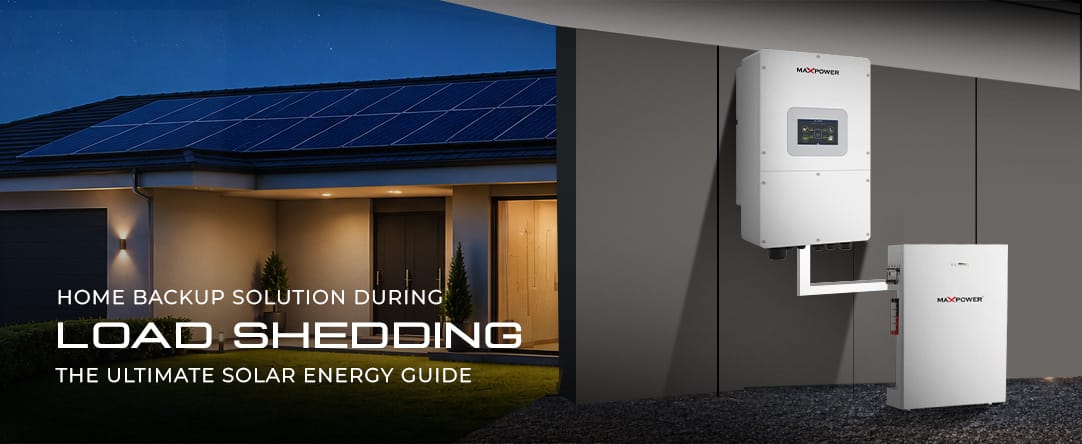
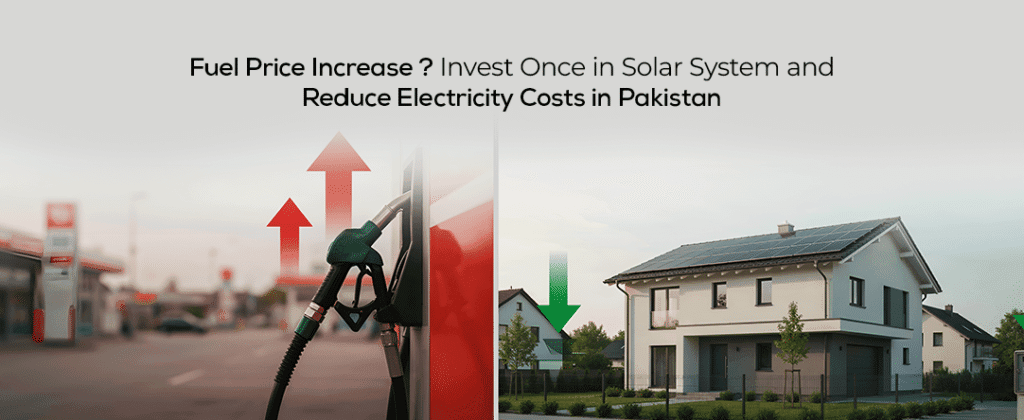
In Pakistan, solar panels are popular for solar systems that reduce electricity bills and provide backup power during load-shedding. They’re used in solar water pumping for farms and solar home systems in cities like Lahore, Karachi, and Islamabad.