📅 Oct 10, 2021
Why My Solar Panels Have Lost Efficiency? —14 Reasons Behind It!
October 10, 2021 📅 Oct 20, 2021
How is Solar Energy Environmentally Friendly? —Top 7 Green Benefits of PV Systems
October 20, 2021
Are you tired of frequent load shedding and ever‑rising electricity bills? Depending on the national grid for power can bring everything from minor annoyances to serious disruptions—especially in countries like Pakistan. Solar energy offers a reliable, clean alternative that sidesteps many of these problems.
Whether it’s blackouts in cities or regular outages in rural areas, solar systems can keep your lights on and your appliances running. The sun delivers unlimited energy every day, giving solar panels a free, endless fuel source. Below, we’ll walk through the key reasons why switching to solar energy is a smart move in 2026.
Why Solar Energy Is Becoming a Must‑Have
Solar power has grown dramatically over the past decade. While global solar capacity was still relatively small around 2019–2020, it has expanded rapidly. Today, solar accounts for a significant share of new power capacity worldwide, and in many regions—including Pakistan—it’s one of the fastest‑growing energy sources.
Despite this growth, solar still represents only a fraction of total global electricity generation, leaving huge room for expansion. As countries push toward renewable energy, solar panels are playing a central role. Here are the top reasons you should consider making the switch.
1. No More Blackouts, Load Shedding, or Power Outages
Power outages are a major quality‑of‑life issue, especially in developing countries where grid stability is often unreliable. Solar energy can change that.
- Off‑grid systems operate independently of the national grid. With sufficient battery storage, you can have power even when the grid is down.
- Hybrid systems combine solar, batteries, and grid connection. During load shedding or blackouts, your system automatically switches to battery power.
- Grid‑tied systems with batteries provide backup during outages while still exporting excess power when the grid is available.
Solar battery banks store energy generated during the day, so you have electricity at night or during cloudy weather. This means no more interrupted work, spoiled food, or unsafe conditions during outages.
2. Say Goodbye to Monthly Electricity Bills
One of the biggest advantages of solar is financial freedom from monthly electricity bills.
- Once your system is installed, sunlight is free. You generate your own power instead of buying it from the utility.
- With a grid‑tied solar system, you can often cut your electricity bill by 50–85% or more, depending on system size and usage.
- In winter, when energy use is often lower, your savings can be even higher because your solar production may cover most or all of your needs.
Over time, these savings add up significantly, often paying back the initial investment in a few years.
3. Beat Rising Electricity Prices (Inflation)
Electricity tariffs tend to rise over time due to inflation, fuel costs, and infrastructure upgrades. What you pay per unit today will likely be much higher in 5–10 years.
- Solar is a one‑time investment with predictable long‑term costs.
- Once installed, your cost per unit of solar electricity is essentially fixed (aside from minimal maintenance).
- You’re insulated from future price hikes by the national utility.
In countries like Pakistan, where electricity prices have historically increased, locking in your energy cost with solar can be a very wise financial decision.
4. Easy Installation Process
Installing a solar system is far simpler than building a dam or a thermal power plant. For homes and businesses, the process is straightforward:
- Estimate your energy needs – list the appliances you want to run and their power consumption.
- Calculate required system size – based on daily kWh usage and local sunlight conditions.
- Consult a professional – a qualified solar installer can design a system tailored to your roof, budget, and usage.
- Get quotes and choose a supplier – compare options based on equipment quality, warranty, and service.
- Installation – mounting panels, installing inverters and batteries, and connecting to the grid (if applicable).
While DIY installation is possible for those with technical skills, most homeowners benefit from professional installation to ensure safety, compliance, and optimal performance.
5. Low Maintenance Requirements
Solar systems are known for being low‑maintenance, but they’re not maintenance‑free.
- Panels – need periodic cleaning (every 1–3 months) to remove dust, bird droppings, and debris.
- Inverters and batteries – should be kept in well‑ventilated, shaded areas and inspected periodically.
- Wiring and connections – should be checked for damage, corrosion, or loose connections.
Overall, the maintenance effort is modest compared to many other power systems. With good quality components and proper installation, solar systems can run reliably for decades with minimal intervention.
6. Increase in Property Value
Installing solar can boost your property’s value and appeal.
- Homes with solar systems often sell faster and at higher prices than comparable homes without solar.
- Buyers see solar as a future‑proof feature that reduces ongoing energy costs.
- For rental properties, solar can justify higher rents because tenants benefit from lower electricity bills.
In many markets, solar is increasingly seen as a standard or desirable feature rather than a luxury add‑on.
7. A Truly Green and Clean Energy Source
Solar energy is one of the cleanest ways to generate electricity.
- No greenhouse gas emissions during operation – solar panels convert sunlight directly to electricity without burning fuel.
- Reduces air pollution – unlike coal or gas plants, solar doesn’t release particulates, SO₂, NOₓ, or CO₂.
- Minimal water use – solar PV uses little to no water for operation, unlike thermal power plants that need large amounts for cooling.
- Long lifespan – panels typically last 25–35 years, providing decades of clean energy.
While manufacturing and disposal have environmental impacts, the overall lifecycle emissions of solar are far lower than fossil fuels. As recycling and sustainable manufacturing improve, solar’s environmental footprint continues to shrink.
8. A Valuable Investment (and Potential Income Source)
Solar isn’t just an expense—it’s an investment that can pay for itself and even generate income.
- Self‑consumption savings – reduce or eliminate your electricity bills.
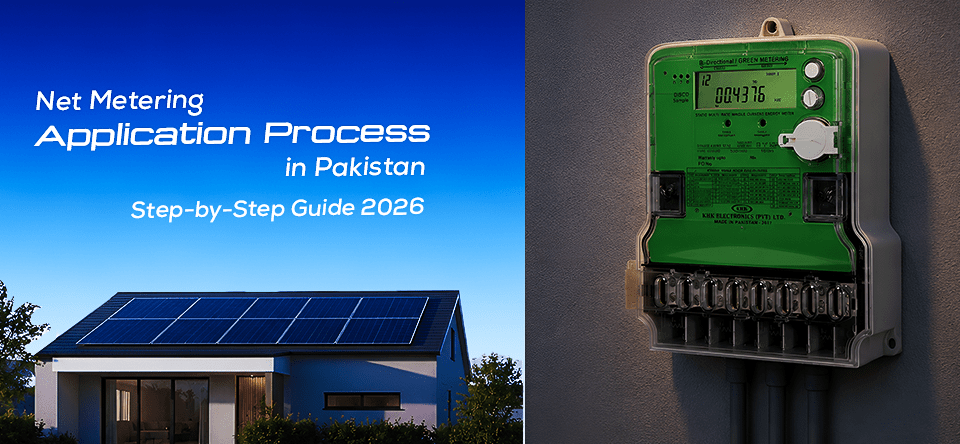
- Net metering – in many regions, including parts of Pakistan, you can export excess solar power to the grid and receive credits or payments.
- Time‑of‑use optimization – with smart inverters and batteries, you can store solar energy when rates are low and use or export it when rates are high.
If your system produces more than you use (e.g., during holidays or low‑consumption periods), that extra energy can earn credits or cash instead of going to waste. Over the system’s lifetime, these financial benefits often far exceed the initial cost.
Frequently Asked Questions
Do solar panels work at night?
Solar panels need sunlight to generate electricity, so they don’t produce power at night. However, with battery storage, energy generated during the day can be used at night. Grid‑tied systems can also draw power from the grid when solar production is zero.
How can I check if my solar panels are working properly?
Most modern solar systems include monitoring:
- Inverter displays show input/output power, voltage, and efficiency.
- Mobile apps or web portals provide real‑time and historical data.
- Status lights on inverters and charge controllers indicate normal operation or faults.
If readings look normal but you suspect a problem, consult a qualified solar technician.
Do solar panels work with moonlight?
Technically, yes—moonlight is reflected sunlight—but the energy is extremely weak. Practical energy production from moonlight is negligible. Solar panels are designed for direct sunlight, not low‑level night light.
Is it safe to short‑circuit a solar panel?
No. Short‑circuiting a solar panel can damage it or connected equipment. Panels are designed to operate within specific voltage and current ranges. Testing should be done with proper instruments and following the manufacturer’s guidelines.
Summary
Relying solely on the national grid can mean dealing with blackouts, load shedding, and unpredictable bills—especially in many parts of Pakistan. Solar energy offers a way out:
- Independence from outages with battery backup.
- Freedom from monthly bills and protection against rising electricity prices.
- Easy installation and low maintenance compared to conventional power plants.
- Increased property value and potential income through net metering.
- A clean, green energy source that helps protect the environment.
In 2026, with advanced panels, efficient inverters, and affordable battery storage, there’s never been a better time to go solar. Whether you’re a homeowner, business owner, or farmer, solar energy can provide reliable, cost‑effective power for decades to come.