Solar Panel Price in Pakistan 2026: Complete Market Guide & Per-Watt Rates
July 22, 2026
Common Mistakes to Avoid When Installing a Solar Energy System in 2026 – Max Power Solar Solutions
October 3, 2026SOLARPakistan’s demand for solar energy continues to grow in 2026 as homeowners and businesses search for reliable alternatives to expensive grid electricity. Rising electricity tariffs, frequent power outages and improved net metering opportunities have encouraged thousands of people to invest in solar panels modern solar inverters and complete solar systems. However, one question still creates confusion for many buyers Should you choose an On-Grid Off-Grid or Hybrid Solar System?
The answer depends on your electricity usage location backup requirements and long-term budget. Choosing the wrong system can lead to unnecessary costs or limited performance, while choosing the right one can provide decades of savings and energy independence.
In this guide, we’ll explain the differences between all three types of solar systems, their advantages, disadvantages, ideal applications, and which option is best for Pakistani homes and businesses in 2026.
Understanding How a Solar System Works
Every modern solar energy system consists of three essential components: solar panels (solar plates), a solar inverter (energy inverter), and the required electrical protection equipment. The solar panels capture sunlight and convert it into DC electricity. The solar inverter then converts that electricity into AC power, allowing it to run your home appliances safely and efficiently.
Depending on the type of system you install, electricity can either be consumed immediately, stored inside batteries, or exported to the national electricity grid through net metering.
Understanding this basic process makes it much easier to compare the three main solar system types available in Pakistan.
What Is an On-Grid Solar System?
An On-Grid Solar System, also known as a Grid-Tied Solar System, is directly connected to the utility electricity network. During the daytime, your solar panels generate electricity that powers your home. If the system produces more electricity than you need, the excess power is exported to the grid through net metering. When solar production decreases during the evening or on cloudy days, your home automatically uses electricity from the utility company.
Since an on-grid system does not require batteries, it is usually the most affordable solar installation for homeowners looking to reduce monthly electricity bills.
The biggest advantage of an on-grid system is its excellent return on investment. Lower installation costs combined with net metering allow homeowners to recover their investment faster while significantly reducing electricity expenses.
However, one important limitation r emains. During a power outage, standard on-grid systems automatically shut down for safetyreasons, meaning your home will not have electricity even if the sun is shining.
An on-grid solar system is ideal for homes and offices that receive stable electricity and want maximum savings on monthly electricity bills.
What Is an Off-Grid Solar System?
An Off-Grid Solar System operates completely independently of the national electricity grid. Instead of exporting electricity, the energy produced by the solar panels is stored inside batteries for use during the night or whenever sunlight is unavailable.
This type of system is commonly installed in remote villages, farms, mountain areas, construction sites, and locations where utility electricity is unavailable or highly unreliable.
Since the system relies entirely on batteries, it requires careful system sizing. The solar panels must generate enough electricity to charge the batteries while also supplying daytime electrical loads.
Although off-grid systems provide complete energy independence, they are generally more expensive because of the additional battery storage and maintenance requirements. Battery replacement after several years also increases the overall ownership cost.
For customers living in areas with little or no access to grid electricity, however, an off-grid solar system remains the most practical solution.
What Is a Hybrid Solar System?
A Hybrid Solar System combines the best features of both on-grid and off-grid technology. It connects to the utility grid while also including battery storage.
During the day, electricity generated by the solar panels powers your home first. Extra electricity charges the batteries before exporting any remaining energy to the utility grid through net metering. At night or during a power outage, the batteries automatically provide backup electricity without interrupting your home’s power supply.
This intelligent energy management makes hybrid systems the fastest-growing solar solution in Pakistan in 2026.
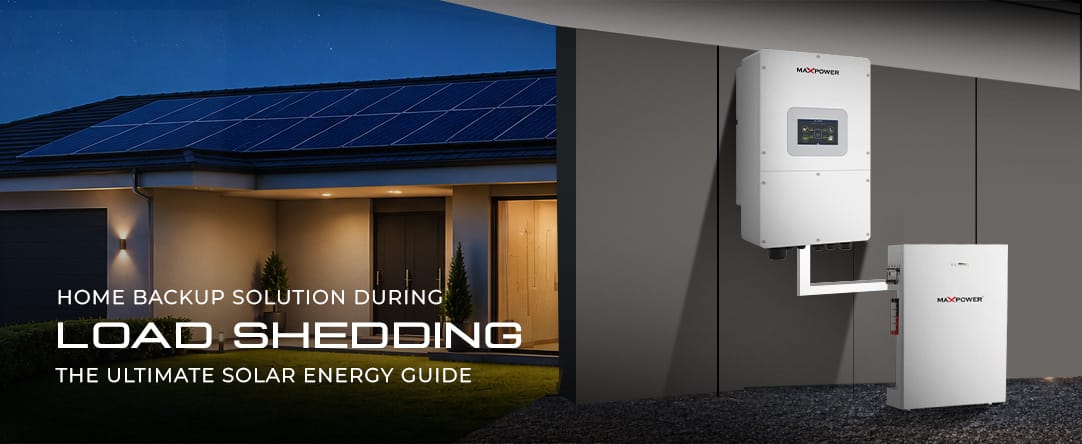
Although hybrid systems require a higher initial investment because of battery storage and advanced solar inverter technology, they offer greater flexibility, uninterrupted electricity, and protection against load shedding.
For homeowners who experience frequent power failures while still wanting to reduce electricity bills, hybrid systems deliver the best overall value.
On-Grid vs Off-Grid vs Hybrid Solar System Comparison
Choosing between these systems depends on your priorities.
If your primary goal is reducing electricity bills at the lowest installation cost, an On-Grid Solar System is usually the best choice.
If you live in a remote area where utility electricity is unavailable, an Off-Grid Solar System provides complete energy independence.
If you want lower electricity bills together with reliable backup during load shedding, a Hybrid Solar System offers the most complete solution despite the higher initial investment.
Which Solar System Is Best for Pakistan in 2026?
For most Pakistani homeowners the Hybrid Solar System is becoming the preferred option. Electricity interruptions continue in many cities, while battery technology has become more efficient and affordable than in previous years.
However, not every customer requires batteries.
Homeowners with stable electricity connections and approved net metering can often achieve the highest financial return with an On-Grid Solar System.
Businesses operating in areas with continuous commercial activity often choose hybrid systems to avoid production losses during power failures.
Meanwhile, farms, tube wells, rural homes, and isolated buildings continue to benefit most from Off-Grid Solar Systems.
The ideal solution always depends on your electricity consumption, roof size, backup requirements, and future energy plans.
Why Choosing the Right Solar Inverter Matters
Many buyers focus only on solar panels, but the solar inverter is equally important. A high-quality energy inverter controls energy conversion, protects your electrical equipment, manages battery charging, improves overall efficiency, and determines the long-term reliability of your solar investment.
A poor-quality inverter can reduce system performance even when premium solar panels are installed. Investing in reliable inverter technology ensures better energy production, improved safety, and longer equipment life.
Why Choose MaxPower Solar Energy?
At MaxPower Solar Energy, we provide complete solar solutions for residential commercial and industrial customers across Pakistan. Whether you require an On-Grid, Off-Grid, or Hybrid Solar System our experienced team helps design the right solution according to your electricity usage budget and future energy requirements.
Our systems include premium solar panels (solar plates), high-performance solar inverters, lithium battery solutions, professional installation, and ongoing technical support to ensure maximum performance throughout the life of your system.
Choosing the right solar system today means lower electricity bills, greater energy security, and long-term savings for years to come.
Final Thoughts
There is no single solar system that suits every customer. The best option depends on your individual energy requirements.
An On-Grid Solar System is perfect for reducing electricity bills through net metering.
An Off-Grid Solar System provides complete independence where utility electricity is unavailable.
A Hybrid Solar System combines the benefits of both by offering electricity bill savings together with battery backup during load shedding.
Before making a decision, always consult experienced solar professionals who can properly assess your energy consumption, available roof space and future expansion plans. A professionally designed system will deliver higher efficiency, greater reliability, and better long-term returns on your investment.
Frequently Asked Questions
1. Which solar system is best in Pakistan in 2026?
For most homes, a Hybrid Solar System offers the best balance of electricity bill savings and backup power. If your area has reliable electricity and net metering, an On-Grid Solar System is usually the most cost-effective option.
2. What is the difference between On-Grid and Off-Grid solar systems?
An On-Grid system works with the utility grid and can export electricity through net metering, while an Off-Grid system operates independently using batteries without any connection to the electricity grid.
3. Does a Hybrid Solar System work during load shedding?
Yes. A Hybrid Solar System stores electricity in batteries, allowing essential appliances to continue operating during power outages.
4. Which solar inverter should I choose?
Always choose a high-quality solar inverter that matches your system size, battery requirements, and future expansion plans. A reliable energy inverter improves efficiency, safety, and long-term performance.
5. Why choose MaxPower Solar Energy?
MaxPower Solar Energy offers complete solar solutions including premium solar panels, advanced solar inverters, lithium batteries, professional installation, system design, and after-sales support for residential and commercial customers across Pakistan.