Hybrid Inverter Prices in Pakistan 2026: Real Numbers From 3 kW to 10 kW
May 18, 2026
Off-Grid Solar Solutions in Pakistan: How Max Power Keeps You Powered During Load Shedding
May 12, 2026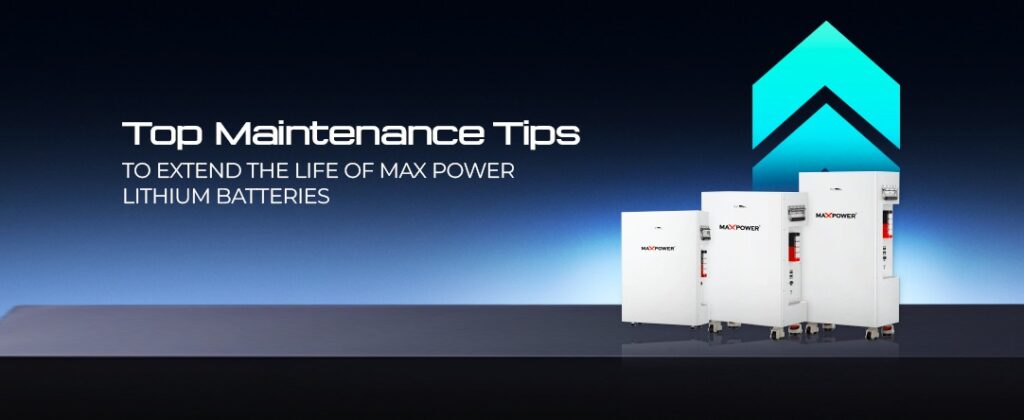
One of the biggest selling points of lithium-ion batteries is that they are maintenance-free compared to lead-acid alternatives. No water top-ups, no acid checks, no terminal cleaning. And in a broad sense, that is true. But maintenance-free does not mean ignoring entirely.
There are a number of habits and practices that separate a lithium battery running strong in its twelfth year from one showing performance degradation by year five.
If you have invested in Max Power lithium-ion batteries as part of your solar setup in Pakistan, this is relevant information. The lithium-ion battery for solar power in Pakistan from quality suppliers like Max Power reflects LiFePO₄ cell quality and BMS engineering that gives the battery its longevity potential. But that potential is only realized when the battery operates within the conditions it was designed for.
These are the practical tips that actually extend lithium battery life, written for Pakistani homeowners using solar for daily backup rather than as a general chemistry lecture.
The Conditions That Make the Biggest Difference to Lifespan
Temperature Is the Most Important Variable
LiFePO4 lithium batteries are thermally stable compared to other lithium chemistries, and Max Power’s range handles operating temperatures from -10°C to 50°C. But stable operation across that range does not mean all temperatures are equal for long-term cell health. Consistently high ambient temperatures, particularly above 40°C during storage or operation, accelerate cell degradation.
In Pakistan’s climate, this is a real concern. Summers in Punjab and Sindh regularly exceed 45°C, and in a poorly ventilated installation space, the temperature around the battery can be significantly higher than the outdoor ambient.
The single most effective thing you can do to extend your battery’s life is ensure it is installed in a location that does not overheat.
Practical steps:
- Install the battery away from direct sunlight or windows that receive sustained sun exposure
- Ensure the installation space has adequate ventilation, either passive through vents or active through a small circulation fan
- Do not stack items against or on top of the battery enclosure that would restrict airflow
- If your battery is in an external enclosure or utility cabinet, check that the enclosure does not trap heat during peak summer afternoons
State of Charge During Extended Inactivity
If your solar system is going to be inactive for an extended period, such as during a property that is vacant for weeks or months, do not leave the battery at either a very high or very low state of charge. For LiFePO₄ chemistry, the ideal storage state of charge is between 40% and 60%.
Leaving a battery at 100% charge for extended periods without cycling accelerates cathode stress. Leaving it deeply discharged for extended periods risks cell damage from over-discharge.
Both shorten the battery’s effective cycle life. Before leaving a system inactive, set the inverter to maintain the battery at a mid-range charge level or discharge it to approximately 50% before disconnecting.
Daily Operating Habits That Protect the Battery
Avoid Regular Deep Discharge Below the BMS Protection Threshold
Max Power’s lithium batteries have an integrated BMS that cuts off discharge at a minimum state of charge to protect the cells. Regularly triggering this protection by running the battery to complete cutoff is harder on the battery than cycling it to 20 to 30% and recharging.
If you are frequently hitting the BMS cutoff during load shedding, it is a signal that your battery capacity is undersized for your load and worth reviewing your system configuration.
Check the residential and commercial solar solution guides at Max Power’s residential solutions page and commercial solutions page for guidance on correctly sizing your battery bank to your actual load.
Match Your Solar Panel Capacity to Your Battery Charging Rate
A battery that consistently receives too little charge current from undersized solar panels in Pakistan will spend extended periods at a low state of charge, particularly during winter months when sunlight hours are shorter.
LiFePO₄ batteries do not suffer from the sulfation that damages lead-acid batteries left partially charged, but consistently operating at a low state of charge without full recharge cycles affects long-term capacity.
Ensure your panel array has enough capacity to fully recharge your battery bank on a typical clear day within the available sunlight hours. As a rough guide, a 5 kWh lithium battery bank needs approximately 2.5 to 3 kW of panel capacity to recharge fully in five to six hours of good sunlight.
Check the inverter’s battery settings periodically.
Lithium-ion batteries in Pakistan are sometimes connected to inverters that were originally set up for lead-acid battery profiles. If your inverter settings were not confirmed for lithium chemistry at installation, the charging voltages and current limits may not be optimized for your battery.
This does not cause immediate failure, but it results in the battery being chronically undercharged or overcharged relative to its designed operating range.
Check with your installer or review the Max Power lithium-ion batteries’ technical documentation to confirm the correct charge profile settings for your specific battery model.
Physical Inspection Habits Worth Building
Annual Visual and Connection Check
Although LiFePO4 batteries require no chemical maintenance, an annual physical inspection is worthwhile and takes only a few minutes. Look for:
- Any physical damage to the battery enclosure or connecting cables
- Loose terminal connections that could cause resistance heating or arcing
- Signs of moisture ingress if the battery is in a location with any humidity exposure
- Correct indicator status on the BMS display if your unit has one
Loose connections are one of the most common sources of premature battery degradation in field installations. A terminal that works loose over time creates resistance at the connection point, which generates heat during charge and discharge cycles.
That localized heat accumulates and can cause insulation damage and cell stress over time. Tightening terminal connections during an annual check costs nothing and prevents a real degradation pathway.
Monitor Battery Performance Through the Inverter Display
Most modern hybrid inverters, including Max Power’s range, display battery state of charge, charge and discharge current, and sometimes battery temperature. Spend a moment periodically checking these readings during normal operation.
If the battery is regularly showing a lower state of charge at the same time each day than it did six months ago, that is useful diagnostic information. A gradual, consistent decline in observed capacity is normal over many years. An abrupt change in observed capacity is worth investigating.
What the 12V 100Ah Lithium-Ion Battery Price in Pakistan Reflects
The 12V 100Ah lithium-ion battery price in Pakistan for quality LiFePO4 units from established suppliers is higher than equivalent-sized lead-acid products for a reason. The BMS engineering, cell grade, and cycle life rating that justify that price are also what determine whether the battery performs as expected over a decade or disappoints within three years.
Protecting that investment through correct installation, appropriate temperature management, and the simple habits described above is straightforward. And the best battery for solar in Pakistan that receives proper care routinely exceeds its rated cycle life, delivering value well beyond the initial purchase.
For a full view of the Max Power lithium battery range with specifications, visit the Max Power lithium-ion batteries page.
Frequently Asked Questions
Do Max Power lithium-ion batteries need any chemical maintenance like lead-acid batteries?
No, lithium batteries don’t need water refilling, acid checks, or cleaning. Maintenance is minimal—just keep the area cool and ventilated and ensure connections and inverter settings are correct.
How often should I check my Max Power inverter battery connections?
Once a year is enough for most homes. If the setup is in a vibration-prone area, check more often to avoid loose connections.
Can hot Pakistani summers damage my lithium solar battery?
High temperatures above 40°C can reduce battery lifespan over time. Proper ventilation and avoiding direct sunlight help protect the battery.
What is the max power inverter battery price relative to lead-acid replacement costs over ten years?
Lithium batteries cost more upfront but last much longer. Lead-acid batteries need frequent replacements, making lithium more cost-effective over 10 years.
Should I let my lithium battery fully discharge before recharging?
No, lithium batteries don’t need full discharge. Partial charging is better and helps extend battery life.
Are You Getting the Full Lifespan Out of Your Solar Battery Investment?
The best lithium-ion battery in Pakistan performs reliably for a decade or more when the conditions around it are managed correctly. Installation environment, inverter settings, and simple annual checks are the difference between a battery that delivers on its rated cycle life and one that underperforms quietly.
Talk to us at Max Power if you have questions about your current battery setup, want to confirm your inverter is correctly configured for lithium chemistry, or are planning a new solar installation and want guidance on battery sizing and specification from the start.