How Can A Hybrid Solar System Benefit Your Home?
February 11, 2023
Off-Grid Solar Systems: The Definitive Guide to Going Green with Renewable Energy
February 6, 2023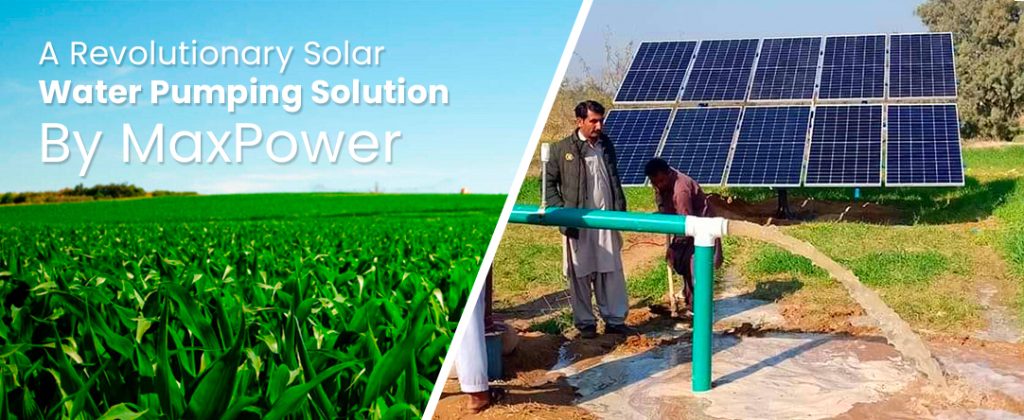
Water scarcity remains a critical challenge across Pakistan. Home to an expanding population, rural and agricultural communities across the country require reliable, cost-effective access to clean water for irrigation, livestock, and domestic drinking needs. Traditional water extraction relies heavily on expensive diesel generators or unpredictable grid power subject to frequent load shedding.
Deploying high-efficiency solar water pumping systems powered by advanced PV technology and maxellpower.com solar controllers offers a clean, self-sustaining solution that transforms agricultural productivity and water security across Pakistan.
The Challenge with Traditional Water Pumping Methods
In Pakistan’s agricultural sector, traditional water pumping creates substantial operational overhead for local farmers:
-
High Fuel Expenditures: Diesel pumps require continuous fuel purchasing, making seasonal irrigation vulnerable to volatile diesel prices.
-
Frequent Maintenance Demand: Internal combustion diesel engines demand regular oil changes, filter replacements, and mechanical repairs.
-
Grid Reliance & Load Shedding: Electric tube wells connected to national DISCO networks face 8 to 12 hours of daily load shedding during peak summer crop cycles.
-
Environmental Impact: Diesel combustion releases carbon emissions and localized pollutants that degrade soil and air quality.
How Maxpower Solar Water Pumping Systems Function
A modern solar water pumping solution operates as an integrated off-grid micro-power system:
-
Solar PV Array: High-efficiency solar panels capture ambient sunlight during peak daylight hours, generating Direct Current (DC) power.
-
Solar Pump Inverter / Controller: An advanced variable-frequency drive (VFD) or Maxpower solar pump controller regulates incoming voltage and dynamically adjusts pump motor speeds based on real-time solar intensity.
-
Submersible or Surface Pump: Drives high-discharge AC or DC water pumps to draw water from deep underground aquifers or surface canals directly into fields or elevated storage reservoirs.
-
Automated Sensor Control: Integrated dry-run protection and water level sensors automatically start and stop the pump, preventing motor burnout and conserving groundwater.
Key Benefits of Solar Water Pumping for Agriculture
| Operational Dimension | Diesel Engine Pumps | Conventional Grid Pumps | Maxpower Solar Pumping System |
| Operational Costs | High (Continuous diesel expense) | High (Rising electricity tariffs) | Zero Fuel Expenses (Free solar power) |
| Power Availability | Limited by fuel availability | Interrupted by load shedding | 100% Reliable during daylight hours |
| System Maintenance | Frequent engine overhauls required | High susceptibility to grid voltage surges | Minimal Maintenance (Solid-state electronics) |
| Environmental Footprint | Heavy carbon & exhaust emissions | High grid carbon intensity | Zero Emissions (100% Clean energy) |
Core Advantages for Rural & Agricultural Communities
-
Dramatic Cost Reductions: Transitioning from diesel to solar pumping eliminates recurring monthly fuel expenses, allowing farmers to recover system capital investments within 2 to 3 years.
-
Enhanced Crop Yields: Continuous daytime pumping ensures crops receive precise hydration during critical growth stages, direct improving harvest quality and yield.
-
Off-Grid Scalability: Solar pumping systems operate completely independent of the utility grid, providing water security to remote farmland in Sindh, Punjab, Balochistan, and KPK.
-
Multi-Purpose Application: Systems can be configured for deep tube well agricultural irrigation, village drinking water filtration plants, or livestock watering stations.
To explore component selection and system sizing guidelines, read our technical guide on buying the best solar inverter for residential & agricultural use.
Optimizing System Performance & Battery Storage
While direct solar pumping operates efficiently during sunlight hours, incorporating energy storage systems offers additional operational flexibility:
-
Hybrid Inverter Integration: Pairing solar pumps with versatile Maxpower hybrid solar inverters enables automatic blending between solar power, battery storage, and grid backup.
-
Lithium Battery Reserves: Connecting high-density Maxpower lithium batteries allows farmers to power automated drip irrigation networks or domestic water pumps during evening hours or overcast weather.
For additional seasonal strategies, review our guides on solar auto irrigation systems for Pakistan and maximizing solar panel performance in winter. Discover full product specifications on the official Maxpower Solar Blog.
Frequently Asked Questions
How deep can a solar water pump draw groundwater in Pakistan?
Solar pumping systems are customized to match local water table depths. Depending on pump horsepower (ranging from 3 HP to 25+ HP) and solar array sizing, systems can draw groundwater effectively from depths ranging from 50 feet to over 500 feet.
Can a solar water pump work directly without batteries?
Yes. Most agricultural solar pumping setups use specialized solar pump VFD inverters that run directly off solar panels without batteries during daylight hours, reducing initial system costs.
How does a solar pump controller protect the motor from damage?
Modern solar pump controllers feature built-in electronic protections, including dry-run protection (stopping the pump if the well runs dry), over-voltage and under-voltage protection, and thermal overload shutoff.
Can a solar water pump operate during cloudy or overcast weather?
Solar pump controllers feature MPPT (Maximum Power Point Tracking) and variable frequency technology that allows the pump to continue operating at reduced speeds during cloudy conditions, maintaining water discharge.
What maintenance is required for a solar water pumping system?
Solar pumping setups require minimal maintenance. Regularly washing ambient dust, mud, and farm debris off the solar panel glass surface once or twice a month ensures maximum light absorption and output efficiency.