The Financial Benefits of Investing in Solar Water Pumping for Farmers in Pakistan
February 15, 2023
A Revolutionary Solar Water Pumping Solution by Max Power That Could Change Pakistan
February 11, 2023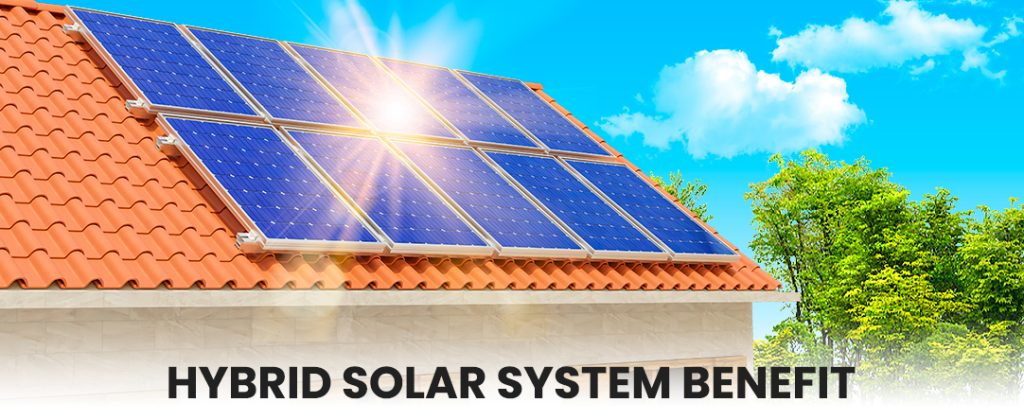
Solar energy is one of the most popular and sustainable sources of power available today. It’s simple to install, reliable, and affordable — and because it’s renewable, it helps reduce your reliance on fossil fuels. But what if your area gets inconsistent sunlight, or you live in Pakistan where load-shedding and power outages are a daily reality? That’s exactly where hybrid solar system setups come in.
A hybrid solar system combines traditional solar panels with a battery pack to store energy for use at night or during cloudy periods, giving you the benefits of conventional solar power alongside a reliable backup battery system. By embracing this approach, you get the advantages of solar energy while minimizing its usual drawbacks. Read on to see exactly how hybrid systems work and what they can do for your home in Pakistan.
What Is a Hybrid Solar System?
A hybrid solar system pairs conventional solar panel technology with energy storage — usually a lithium-ion battery or advanced lead-acid battery. This setup lets homeowners generate electricity from sunlight during the day and draw on stored energy at night or during periods of low demand, helping you avoid the high costs and environmental downsides of relying solely on grid power or diesel generators.
Beyond the practical savings, a hybrid system can genuinely support a more sustainable household. By combining solar power, battery storage, and grid power, it helps conserve energy and reduce your carbon footprint, while also providing backup power during outages — real peace of mind in areas with frequent load-shedding.
How Hybrid Solar Systems Benefit Your Home
Hybrid systems combine the best of solar energy generation and battery storage, making them more sustainable and reliable than standalone on-grid or off-grid setups. They can also lower your electricity bills and keep your household powered through load-shedding.
By drawing on both solar panels and batteries, a hybrid system adapts to your household’s actual needs — panels capture sunlight and convert it to electricity, while batteries kick in as backup whenever it’s needed. Using multiple energy sources this way makes the overall system more efficient.
Key benefits include:
1. Higher Efficiency
A hybrid inverter system generally delivers higher efficiency than a standard solar setup, producing more usable electricity from the same amount of sunlight. MPPT charge controllers and smart inverter technology help optimize both energy harvest and usage.
2. Reduced Environmental Impact
By combining renewable solar generation with battery storage, hybrid systems significantly cut reliance on grid power and diesel generators — reducing your household’s environmental footprint.
3. Reduced Cost Over Time
While the upfront cost of a hybrid solar system is typically higher than a simple grid-tied setup, the long-term savings on electricity bills, reduced diesel dependence, and reliable backup during load-shedding make it a cost-effective choice for many Pakistani households — even through a solar system in winter, when reliable backup power matters most.
Hybrid systems also integrate easily with existing home wiring and grid infrastructure, so qualified installers can set them up efficiently. And since they tend to have a longer lifespan than standalone solar or battery-only setups, you won’t need to replace them as often.
How Does a Hybrid Solar System Work?
A hybrid solar system draws on both solar and battery power to meet your home’s energy needs, automatically using the best source for each situation:
- Solar power — ideal during the day when the sun is out.
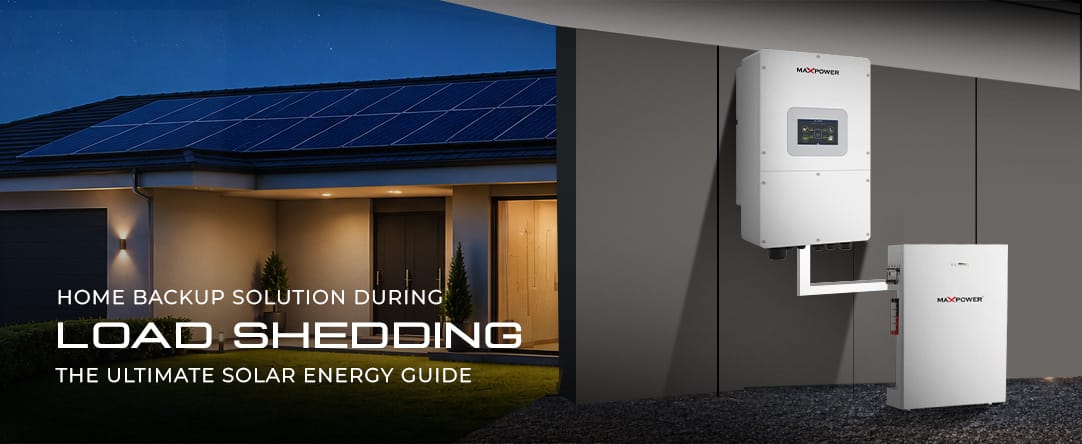
- Battery power — kicks in at night, during cloudy weather, or during load-shedding.
- Grid power — supplements the system when solar and battery output aren’t enough.
This setup is especially useful for properties that don’t get consistent sunlight or that experience frequent outages, since maximizing daytime solar use helps offset battery draw at night — resulting in real energy savings and greater independence from the grid.
How Much Does a Hybrid Solar System Cost in Pakistan?
Hybrid solar systems are becoming increasingly popular across Pakistan thanks to their long-term affordability compared to relying solely on grid power or diesel generators. Installation costs typically depend on:
- System size (e.g., 3kW, 5kW, or 10kW solar system setups)
- Battery capacity (e.g., 5kWh or 10kWh lithium battery)
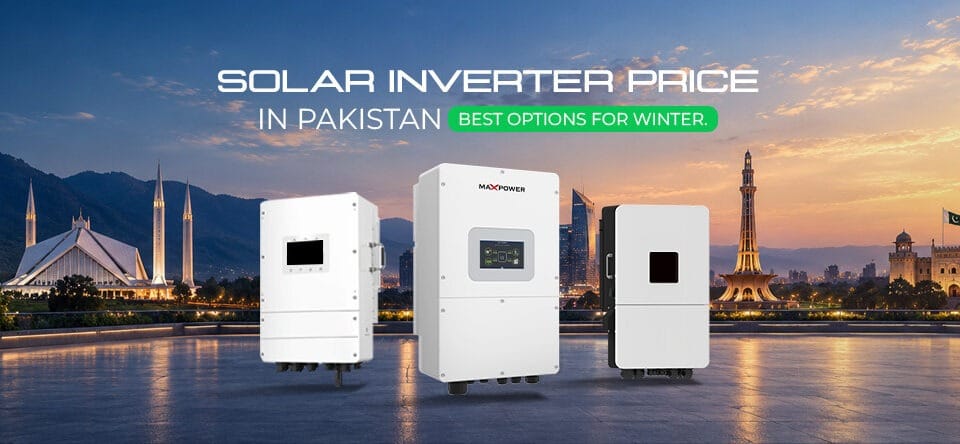
- Inverter type — such as a Max Power hybrid inverter or other leading brands
- Solar panel quality and brand — browse Maxell Power’s solar panels for reliable options
- Installation charges and location
Overall, hybrid solar systems offer clear advantages over standard solar setups or conventional backup solutions — they’re more affordable over their lifetime, generate more usable power, and keep your household running steadily even during load-shedding.
Wrapping It Up
A hybrid solar system helps you reduce your reliance on the grid, lower your energy costs, and make your home more sustainable. By combining solar panels with battery storage, you get a setup tailored to your household’s actual needs — cutting your energy bill, minimizing your environmental impact, and keeping the lights (and appliances like your electric geyser or electric chulha) running through load-shedding.
If you’re looking to upgrade your home’s energy setup in Pakistan, a hybrid solar system deserves a serious look. Explore Max Power’s full range of hybrid inverters and Maxell Power’s solar panels and batteries to build a system suited to your home.
Frequently Asked Questions
What’s the difference between a hybrid solar system and a regular on-grid system?
A hybrid system includes battery storage in addition to a grid connection, allowing it to store solar energy for later use and provide backup power during outages — something a standard on-grid system cannot do.
How much battery capacity do I need for a hybrid solar system in Pakistan?
This depends on your household’s energy consumption and how many backup hours you want during load-shedding, but common residential setups range from 5kWh to 10kWh or more.
Is a hybrid solar system worth the extra upfront cost?
For most Pakistani households dealing with frequent load-shedding, yes — the long-term savings on electricity bills and diesel costs, combined with reliable backup power, typically offset the higher initial investment over time.
Can a hybrid solar system fully replace grid electricity?
Not necessarily. While a hybrid system significantly reduces grid dependence by using solar and battery power first, it can still draw from the grid when solar and battery output fall short of your needs.
Does a hybrid solar system perform well during Pakistan’s winter months?
Yes, though solar generation is typically lower during a solar system in winter due to shorter daylight hours, the battery backup component helps maintain reliable power throughout the day and night.