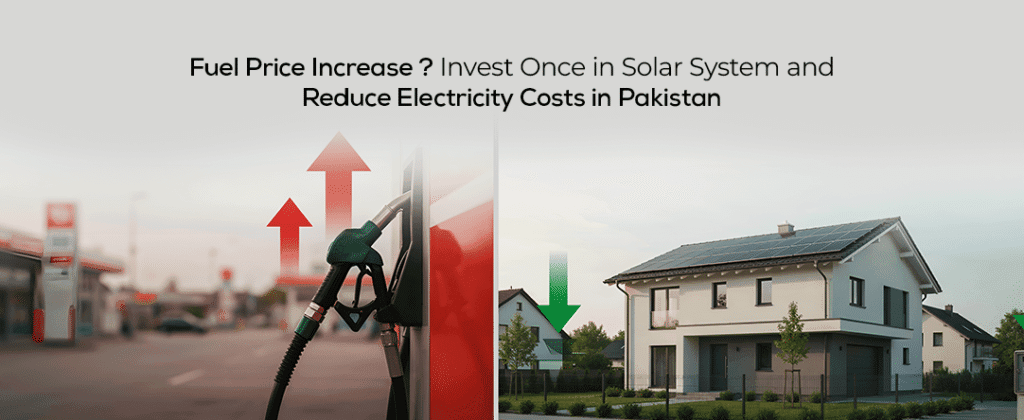
Complete guide to Solar Panels in Pakistan
November 1, 2022
Solar Panels Are Here To Be a Hot Trend In 2026
November 15, 2022
7 Key Reasons to Transition to Solar Energy in 2026
On a sunny day, the energizing waves of light that pour through windows represent an untapped power source. Installing a rooftop photovoltaic (PV) array converts this ambient sunlight directly into clean electricity for homes and businesses.
Here are the top seven compelling reasons to consider solar energy in 2026, paired with practical deployment insights for optimizing system efficiency.
1. Reduced Utility Expenses & Self-Consumption Savings
Installing solar panels significantly reduces dependence on expensive grid power. While daytime generation varies based on weather and irradiance levels, modern high-efficiency panels generate strong power output even under hazy or overcast conditions.
Modern Savings Mechanism: Net Billing vs. Net Metering
In 2026, regulatory policy in Pakistan shifted under NEPRA’s Prosumer Regulations from 1:1 net metering to a Net Billing framework:
-
Import Rate: Power drawn from the utility grid during peak hours remains priced at standard retail tariffs (approx. PKR 40–50+/unit).
-
Export Rate: Surplus solar power fed into the grid is compensated at a wholesale buyback rate (approx. PKR 11–13/unit).
-
Strategic Outcome: The primary financial benefit now lies in daytime self-consumption—running heavy loads like air conditioners and water pumps directly on solar power eliminates PKR 40+/unit expenses, delivering fast payback periods of 3.5 to 4.5 years.
2. Environmental Protection & Carbon Reduction
Solar energy is one of the cleanest, most scalable power sources available:
-
Zero Operational Emissions: Photovoltaic power generation emits no carbon dioxide, smog precursors, or air pollutants during daily operation.
-
Fossil Fuel Displacement: Every kilowatt-hour (kWh) generated on your roof directly reduces reliance on thermal power plants running on imported fuel oil, coal, or gas.
-
Local Environmental Impact: Widespread rooftop adoption improves regional air quality and reduces seasonal smog levels in urban centers.
3. Low Maintenance & Extended Operational Life
Solar PV systems are known for exceptional mechanical reliability:
-
No Moving Parts: Solid-state silicon solar cells experience minimal mechanical wear and tear, yielding low failure rates over a 25-to-30-year operational lifespan.
-
Simple Routine Upkeep: Maintenance primarily involves periodic glass cleaning to wash off ambient dust or soot and routine electrical DB panel inspections.
-
Inverter Durability: Central hybrid inverters typically require maintenance or replacement every 10–12 years, representing a low lifetime operational expenditure compared to fuel generators.
4. Regulatory Frameworks, Incentives & Standards
Regulatory bodies encourage solar adoption through standardized interconnection frameworks:
-
Bi-Directional Metering: Net billing agreements allow prosumers to automatically credit excess daytime generation against nighttime grid utility costs.
-
Enhanced Safety Standards: 2026 regulations enforce strict protection requirements—such as Type B RCCBs, DC surge protection devices (SPDs), and rapid anti-islanding disconnects—ensuring high grid safety and equipment protection.
To evaluate panel specs and site readiness, review our previous guide on evaluating solar panel efficiency and feasibility.
5. Increased Property Market Value
Real estate properties equipped with high-performance solar installations command higher market value and sell faster:
-
Operational Savings Appeal: Buyers recognize rooftop solar arrays as capital assets that permanently lower monthly operating costs.
-
Turnkey Infrastructure: Properties with pre-approved net-billing meters and quality inverters eliminate installation friction for prospective buyers.
-
Value Retention: High-quality solar infrastructure provides measurable asset appreciation similar to structural renovations or HVAC upgrades.
6. Ease of Turnkey Installation & Deployment
Modern solar installations are streamlined and minimally disruptive:
-
Rapid Deployment: Standard residential setups (5 kW to 15 kW) are typically installed, wired, and commissioned by professional engineering teams within 2 to 4 days.
-
Flexible Mounting Systems: High-strength aluminum or galvanized iron structures enable secure installation on flat concrete roofs, sloped tiles, or elevated pergolas.
-
Turnkey Engineering: Full-service installers manage site audits, single-line diagrams (SLDs), DISCO net-billing applications, and final green-meter testing.
7. Linear Performance Guarantees & Reliability
Tier-1 solar module manufacturers provide performance guarantees that ensure long-term energy yields:
| Warranty Type | Coverage Span | Performance Target |
| Product & Workmanship Warranty | 12 to 15 Years | Guards against manufacturing defects, frame degradation, and glass seal failures. |
| Linear Power Performance Warranty | 25 to 30 Years | Guarantees ≥80–85% of original power output at Year 25, limiting annual degradation to ~0.55%. |
Key Financial & Operational Takeaways
-
Prioritize Self-Consumption: Sizing your solar array to match daytime energy needs yields maximum bill savings under net-billing rules.
-
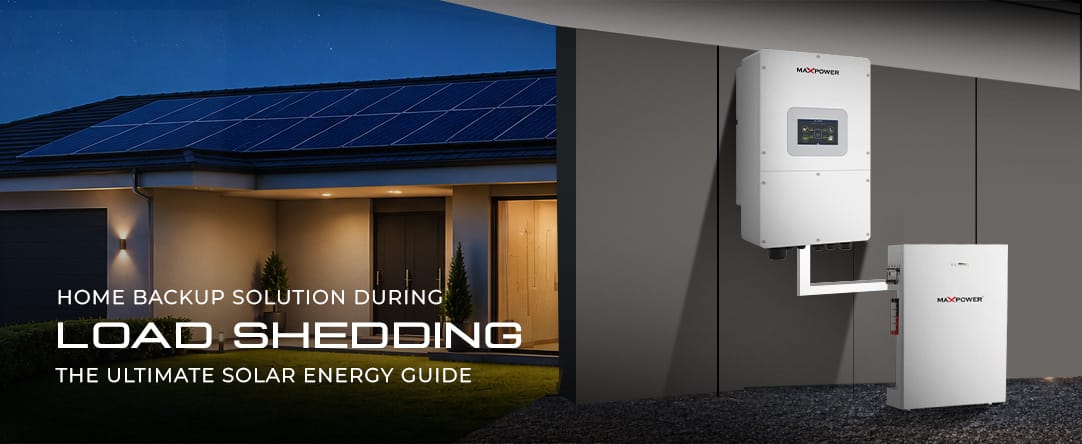
Integrate Battery Reserves: Adding Maxpower lithium LiFePO4 batteries stores surplus midday solar energy for evening peak hours, shielding your property from expensive night grid rates and load-shedding outages.
-
Pair with High-Efficiency Inverters: Utilizing robust Maxpower hybrid solar inverters ensures continuous MPPT optimization and seamless backup switching.
For more technical insights, read our previous articles on buying the best solar inverter for residential use, solar auto irrigation systems, and solar solutions for seasonal heatwaves. Explore full product details on the official Maxpower News & Insights portal.
Frequently Asked Questions
How does NEPRA’s 2026 Net Billing policy affect home solar payback in Pakistan?
Under the Net Billing scheme, grid import is billed at retail rates while exported solar units earn a lower wholesale purchase price. Despite lower export credits, overall payback periods remain fast (3.5 to 4.5 years) because panel prices have decreased and self-consuming daytime solar saves high PKR 40+/unit grid tariffs.
What is the optimal system size for an average family home running 2 to 3 air conditioners?
A 7 kW to 10 kW system is the standard recommended size. It provides ample daytime generation to power 2 to 3 inverter ACs, water pumps, and routine home loads while supplying power to charge battery backup banks.
Can solar panels work during load shedding or grid blackouts?
Standard grid-tied inverters automatically shut down during blackouts to prevent backfeeding into dead lines. However, hybrid solar systems with connected battery storage automatically disconnect from the grid and continue powering local household loads without interruption.
How often should solar panels be cleaned to maintain efficiency?
In urban or agricultural environments with high dust levels, washing panel surfaces with water once or twice a month prevents dirt buildup from blocking light absorption, preserving peak generation efficiency.
What protective devices are required for net-billing compliance?
Current regulations require compliant distribution boxes equipped with Type B RCCBs, DC and AC surge protection devices (SPDs), DC isolator switches, and tested anti-islanding disconnect protection.