Benefits of Solar Energy in Pakistan: A Future Perspective
February 20, 2025
How Solar Pumping Inverters Can Benefit Farmers and Landowners in 2027
February 18, 2025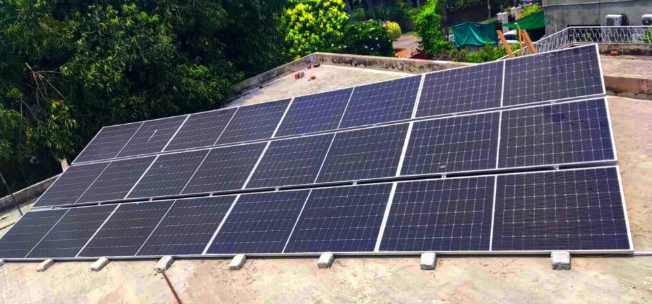
The shift toward solar energy is gaining momentum across Pakistan, with households and businesses increasingly adopting solar panel systems to reduce electricity bills and contribute to environmental sustainability. Before investing, it is crucial to consider various technical, financial, and structural aspects to select the best setup for your specific needs. This comprehensive guide explains what to evaluate before buying solar panels for home use in Pakistan, helping you make an informed decision that delivers reliable performance and long-term value.
What Should You Evaluate Before Installing Solar Panels at Home?
Before purchasing any solar panel system, the first step is to evaluate your household’s energy consumption accurately. Analyzing your electricity bills over the past year helps you understand average monthly usage patterns, seasonal variations, and peak demand periods. This information directly influences the size and capacity of the solar panel system you need. If you plan to install an off-grid solar system, ensuring sufficient capacity to meet energy demands during low sunlight periods becomes even more critical. Many online energy estimation tools, including the MaxPower load calculator, can help calculate daily consumption based on appliance types and usage hours, giving you a realistic baseline before approaching installers. For broader context on how solar fits into Pakistan’s renewable energy landscape, read our guide on MaxPower’s green horizon and pioneering sustainable solutions across Pakistan.
How Do You Choose the Right Type of Solar Panel?
Solar panels come in different technologies, primarily monocrystalline, polycrystalline, and thin-film. Monocrystalline panels are known for their high efficiency and long lifespan, making them ideal for smaller rooftops where space is limited and maximum output per square meter matters. Polycrystalline panels are slightly less efficient but historically more affordable, suiting installations where larger roof area is available. Thin-film panels are flexible and lightweight but generally less efficient and require significantly more space to achieve equivalent output. When selecting a solar panel for home use, consider your available roof space, local climate conditions, and the panel’s efficiency ratings. For most residential installations in Pakistan, monocrystalline modules currently offer the best balance of efficiency, durability, and long-term performance. Browse our collection of monocrystalline solar panels to explore options suited to Pakistani rooftops.
Why Does Roof Structural Integrity Matter?
The structural soundness of your roof is essential for a safe and durable solar installation. The roof must be strong enough to support the weight of the panel array, mounting structures, and associated cabling while withstanding external elements such as strong winds, monsoon rainfall, and thermal expansion cycles. Before installation, consider having a structural engineer or certified solar expert evaluate your roof’s load-bearing capacity and overall condition. If your roof needs repairs, waterproofing, or reinforcement, addressing those issues first prevents costly dismantling and reinstallation later. A properly assessed roof ensures both safety and optimal panel orientation for maximum energy harvest.
How Does Roof Orientation and Tilt Affect Solar Performance?
The orientation and tilt angle of your roof play a significant role in determining the efficiency of your solar panel system. In Pakistan, south-facing orientations generally receive maximum sunlight exposure throughout the day, though east-west configurations can also work well depending on consumption patterns. The optimal tilt angle depends on your geographic latitude and should be adjusted to capture the most sunlight across seasons. Adjustable racks and mounting systems can help optimize tilt angles for winter and summer sun paths, maximizing annual energy output. Proper orientation and tilt ensure your investment generates the highest possible return across Pakistan’s varying seasonal daylight conditions.
What Role Does the Solar Inverter Play in Your System?
A solar inverter is a crucial component of any solar panel system because it converts the direct current produced by panels into alternating current that powers home appliances. When choosing a solar inverter, consider efficiency ratings, type, and warranty coverage. String inverters, micro-inverters, and hybrid inverters each offer distinct benefits depending on system architecture. If you plan to combine solar generation with battery storage, a hybrid solar inverter is generally recommended because it manages both panel input and battery charge-discharge cycles within a single unit. Quality inverters should carry warranty coverage of at least five to ten years, reflecting manufacturer confidence in long-term reliability. Explore our complete MaxPower solar inverter range to find units engineered for Pakistani voltage conditions and climate challenges.
Which Solar System Type Should You Choose: Grid-Tied, Off-Grid, or Hybrid?
Understanding the type of solar panel system you need is vital before finalizing any purchase. Grid-tied systems connect to the local utility grid and typically do not include battery storage. They are cost-effective and allow excess generation to feed back into the grid under applicable net billing frameworks. Off-grid solar systems are ideal for areas with unreliable or no grid connectivity, requiring solar batteries to store energy for nighttime or cloudy-day use. Hybrid systems combine the benefits of both approaches, allowing you to store excess energy in a solar battery while maintaining grid connection for additional backup during extended low-generation periods. Each system type carries distinct advantages, so your choice should align with your energy needs, backup power preferences, and local grid reliability. For complete guidance on grid connectivity rules, read our step-by-step guide on the net billing application process in Pakistan.
Why Should You Consider Solar Battery Storage?
Investing in a solar battery is essential when choosing an off-grid or hybrid solar system because it provides energy storage for times when sunlight is unavailable. When evaluating batteries, consider usable capacity, power output ratings, chemistry type, and warranty terms. Lithium-ion batteries are increasingly popular due to their high efficiency, deep discharge capability, and long cycle life. Lead-acid batteries remain more budget-friendly initially but require more maintenance and offer shorter usable lifespans. A quality solar battery should provide enough stored energy to cover your essential loads during load shedding or nighttime hours without excessive depth of discharge that accelerates degradation. Learn more about modern storage options in our detailed guide on lithium solar batteries for home use.
What Certifications and Quality Standards Should You Verify?
When purchasing solar panels for your home, ensure they comply with recognized international and local quality standards. Key certifications include IEC 61215 for panel durability and performance under thermal cycling and humidity, IEC 61730 for safety and construction integrity, and UL listings for overall electrical safety compliance. Quality components may carry a higher initial investment but deliver better performance, lower degradation rates, and longer operational life, providing a greater return on investment over the system lifetime. Always request documentation proving certification authenticity before committing to any purchase.
How Much Maintenance Do Solar Panel Systems Require?
Routine maintenance is essential to keep your solar panel system operating at peak performance. Dust, debris, pollen, and bird droppings can accumulate on panel surfaces, reducing light transmission and energy output. While solar panels generally require minimal maintenance, regular cleaning and periodic inspection of wiring, connections, and mounting hardware are advisable. In dusty regions of Pakistan, more frequent cleaning may be necessary during dry months. Maintenance can be performed by professional solar service providers or handled directly by homeowners using appropriate soft brushes, demineralized water, and non-abrasive cleaning methods.
What Warranties and After-Sales Support Should You Expect?
Always request comprehensive warranties covering solar panels, solar inverters, and solar batteries before finalizing any purchase. Warranty duration reflects manufacturer confidence in product quality and provides financial protection against premature failure. Panel performance warranties typically extend 25 years for Tier-1 manufacturers, while inverter warranties commonly range from five to ten years. Equally important is the installer’s commitment to after-sales support, technical troubleshooting, and system optimization services. Choosing a provider with strong local service capabilities ensures that any issues are resolved quickly without prolonged system downtime.
Are Solar Incentives and Financing Options Available?
Before finalizing your purchase, investigate available solar incentives, subsidies, or financing plans offered by government programs and financial institutions. These mechanisms can significantly reduce upfront capital requirements and make the transition to solar energy more accessible for middle-income households. Many banks and solar companies in Pakistan now offer flexible financing arrangements, including installment plans and lease-to-own structures that spread system costs over several years. Evaluating these options alongside your cash purchase capacity helps determine the most sustainable financial pathway for your installation.
How Do You Choose a Reputable Solar Installer?
Selecting a trusted and experienced solar installation company is one of the most important decisions in the entire process. System performance and safety depend heavily on installation quality. A reputable installer will conduct a thorough site assessment, recommend appropriate components including solar inverter and solar battery options, handle necessary permits and utility approvals, and provide post-installation support with maintenance services. Verify installer credentials, request references from previous residential clients, and confirm that the company employs certified technicians who follow national electrical and structural safety codes.
Conclusion – Plan Your Solar Investment Carefully for 2027
Switching to solar energy in Pakistan requires careful consideration of your energy needs, roof condition, solar inverter type, battery storage requirements, and ongoing maintenance obligations. Proper planning and component selection allow you to enjoy clean, renewable energy for decades while reducing dependence on grid electricity and fossil fuel backups. Whether you need a compact grid-tied system for bill reduction or a comprehensive hybrid setup with battery backup, investing in certified equipment and professional installation ensures reliable performance through every season. Contact MaxPower today for expert consultation and tailored solar solutions that meet your household energy needs.
Frequently Asked Questions
What should I check before buying solar panels for home use in Pakistan?
Before buying solar panels, evaluate your annual energy consumption, roof structural integrity, available space, panel type and efficiency, inverter compatibility, system architecture (grid-tied, off-grid, or hybrid), battery storage needs, certifications, warranties, and installer reputation.
Which direction should solar panels face in Pakistan?
South-facing orientations generally provide maximum sunlight exposure throughout the day in Pakistan. East-west configurations can also perform well depending on morning and evening consumption patterns and roof geometry.
Is a hybrid solar inverter better than a standard string inverter?
For homes considering battery storage now or in the future, a hybrid solar inverter is preferable because it manages both solar generation and battery charge-discharge cycles within a single unit, eliminating the need for separate charge controllers or retrofit upgrades.
How long do solar panels typically last?
Tier-1 monocrystalline solar panels typically carry performance warranties of 25 years and can operate effectively for 30 years or more with proper maintenance, though output gradually degrades by approximately 0.3 to 0.5 percent annually.
Do I need battery storage with a grid-tied solar system?
Grid-tied systems do not require batteries because they use the utility grid as virtual storage. However, batteries become necessary if you want backup power during load shedding or plan to maximize self-consumption under net billing frameworks.
What certifications should solar panels have in Pakistan?
Look for IEC 61215 for durability and performance, IEC 61730 for safety, and UL certification for electrical safety compliance. These standards ensure panels can withstand local environmental and operational stresses.