Tubular Batteries Vs Normal Batteries
September 3, 2020
Pollution and the importance of clean energy
September 3, 2020
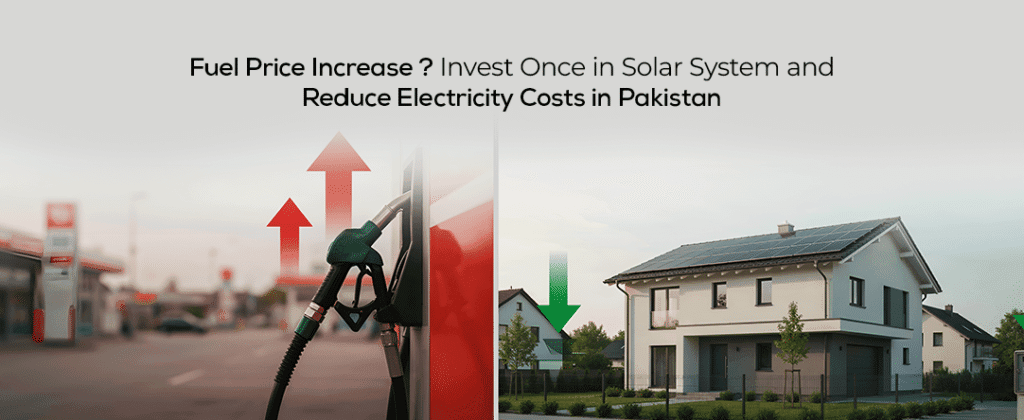
Solar energy is a clean, renewable power source that generates electricity directly from sunlight. By using solar technology, you can reduce your reliance on grid electricity, cut your electricity bills, and help protect the environment. In Pakistan, where electricity costs are rising and load-shedding is common, solar energy offers a practical and cost-effective solution for homes and businesses.
What Is Solar Photovoltaic (PV) Technology?
Solar photovoltaic (PV) technology converts sunlight into usable electricity. A PV cell (photovoltaic cell) is the basic building block of a solar panel. It is typically made from silicon and generates electricity when exposed to sunlight.
There are three main types of PV cells:
- Mono-Crystalline – High efficiency, long lifespan, ideal for limited roof space.
- Poly-Crystalline – Slightly lower efficiency but more affordable, good for larger installations.
- Amorphous (Thin-Film) – Flexible and lightweight, suitable for certain commercial or portable applications.
Solar Panels: The Core of Your Solar System
A typical residential solar system includes:
- Solar Panels – Capture sunlight and convert it into DC electricity.
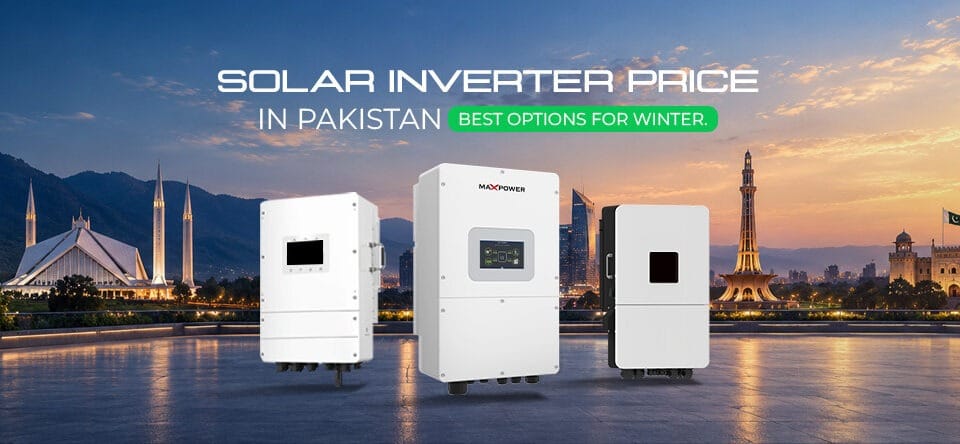
- Grid-Tie Inverters – Convert DC electricity from the panels into AC electricity for home use.
- Mounting Hardware and Wiring – Secure the panels and connect the system safely.
In Pakistan, solar panels are commonly installed on rooftops or open spaces to maximize sunlight exposure. Proper installation ensures maximum energy production and long-term reliability.
Solar Modules: Generating Power Efficiently
Solar modules (or solar panels) are the main equipment used to generate solar electricity. They require:
- Regular Maintenance – Cleaning to remove dust and debris.
- Monitoring – Checking performance to ensure optimal output.
- Professional Installation – Ensuring safety and compliance with local regulations.
Many solar companies in Pakistan offer maintenance packages to keep your system running smoothly.
Grid-Tie Inverters: Converting Solar Power
Grid-tie inverters play a crucial role in solar systems:
- Convert DC power from solar panels into AC power for home appliances.
- Sync with the grid to allow net metering , where excess solar energy is fed back to the grid.
- Are designed based on your energy needs, load, and consumption patterns.
Choosing the right inverter is essential for maximizing savings and ensuring reliable power.
Solar Panel Cells and Additional Hardware
Solar panel kits come with:
- Solar Cells – The core components that generate electricity.
- Mounting Structures – Secure panels on roofs or ground mounts.
- Wiring and Connectors – Ensure safe and efficient electrical connections.
- Protection Devices – Such as surge protectors and circuit breakers.
Proper hardware selection and installation are key to a safe and efficient solar system in Pakistan.
Concrete Solar Panel Mounting Systems
For ground-mounted solar systems, concrete foundations are often used:
- Provide a stable base for solar panels.
- Suitable for large installations or areas where rooftop mounting is not possible.
- Available in various specifications and brands, tailored to residential or commercial needs.
Understanding Current, Voltage, and Watts
Solar systems are rated based on:
- Voltage (V) – The electrical pressure (eg, 220V for homes in Pakistan).
- Current (A) – The flow of electricity.
- Watts (W) – The power output (eg, 50W, 300W panels).
These specifications help determine the size and capacity of your solar system, ensuring it meets your energy requirements.
Why Solar Energy Is a Smart Choice in Pakistan
Solar energy offers several benefits for Pakistani households and businesses:
- Lower Electricity Bills – Reduce dependence on expensive grid power.
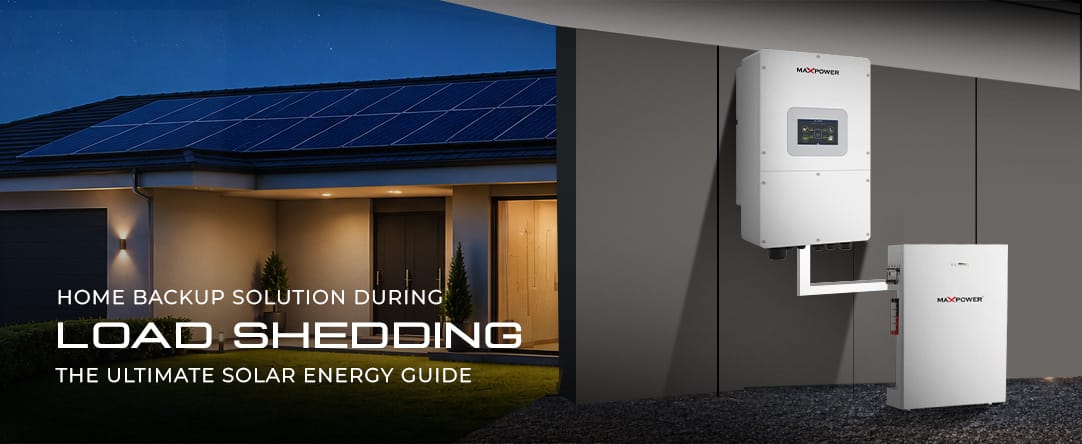
- Reliable Power – Minimize the impact of load-shedding and outages.
- Environmentally Friendly – Reduce carbon emissions and pollution.
- Long-Term Savings – With proper maintenance, solar systems can last 20–25 years.
By understanding the key components—solar panels, inverters, mounting systems, and electrical specs—you can make informed decisions about installing solar energy in Pakistan.