Factors to Consider When Evaluating a Residential Solar Energy Solution Provider in Pakistan
January 19, 2023
Benefits of Residential Solar Energy Solutions in Pakistan
January 26, 2023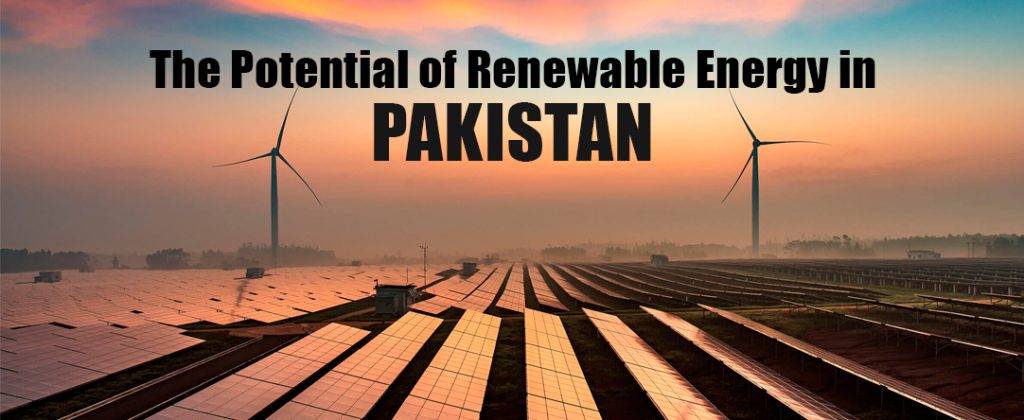
Why Renewable Energy Is Pakistan’s Best Bet for a Sustainable Future
Renewable energy has been making headlines lately, with more and more countries turning to it to power their economies — and Pakistan is no exception. While the country may still be catching up in some areas, its potential for renewable energy is enormous, especially in solar energy, wind, and hydropower. This blog explores why renewable energy is such a powerful tool for Pakistan, how the country can make the most of it, and what challenges must be overcome along the way.
Renewable Energy Potential in Pakistan
Renewable energy refers to sources that can be replenished naturally, such as sunlight, wind, and flowing water. Unlike fossil fuels, renewables produce little to no greenhouse gas emissions during operation, making them essential for sustainable development and climate action.
Pakistan holds significant renewable energy potential, thanks to:
- Abundant solar resources — strong solar insolation across much of the country, especially in Sindh, Balochistan, and Punjab.
- Strong wind corridors — particularly along the coastal belt and select inland regions.
- Hydropower potential — from rivers and canals, though large-scale projects come with environmental and social considerations.
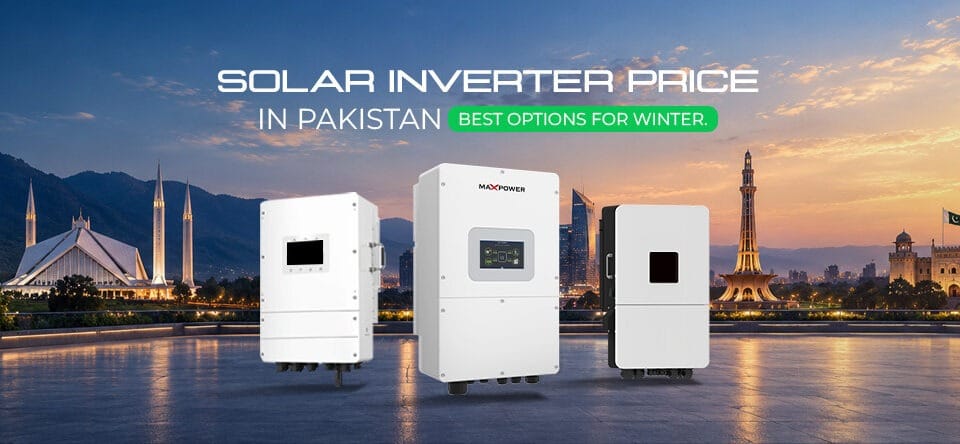
By mid-2026, Pakistan’s installed renewable capacity had grown substantially, with solar power leading the way. A solar system is now one of the most accessible and affordable energy options for households, businesses, and utilities alike — see Max Power’s solar solutions for residential and commercial options available in Pakistan today.
Pakistan’s Efforts to Combat Climate Change
Pakistan is highly vulnerable to climate change impacts — including heatwaves, floods, and water scarcity — but it’s also taking steps to reduce emissions and build resilience.
Key government initiatives include:
- Policy frameworks — targets for renewable energy share in the national energy mix, supporting both rooftop solar and utility-scale projects.
- Incentives and financing — subsidies, tax breaks, and concessional loans for solar and wind projects.
- Grid upgrades — improving transmission and distribution to integrate more variable renewables, including net metering infrastructure for grid-tied solar users.
- Public-private partnerships — encouraging investment in solar parks, wind farms, and hybrid systems.
These efforts aim to reduce dependence on imported fossil fuels, lower electricity costs, and improve energy security while cutting emissions.
Renewable Energy as an Engine for Economic Growth
Renewable energy isn’t just about the environment — it’s also a powerful driver of economic development:
- Job creation — in manufacturing, installation, maintenance, and related services.
- Lower energy costs — especially for industries and households that adopt a solar panel system.
- Reduced import bills — by substituting imported fuels with locally available sun and wind.
- Attracting investment — both domestic and foreign, into renewable projects and supporting industries.
By prioritizing renewables, Pakistan can build a more resilient, diversified economy that’s less exposed to global fuel price shocks.
Key Benefits of Renewable Energy in Pakistan
Reducing CO₂ Emissions
Solar, wind, and hydropower produce negligible greenhouse gases during operation. Every kilowatt-hour generated from renewables displaces electricity that would otherwise come from coal, oil, or gas — helping Pakistan meet its climate commitments and shrink its carbon footprint.
Improving Public Health
Burning fossil fuels releases pollutants linked to respiratory disease, heart problems, and premature deaths. Switching to cleaner solar energy sources can improve air quality, especially in cities and industrial areas, while lowering healthcare costs and boosting productivity.
Enhancing Economic Stability
Renewables have low, predictable operating costs, unlike fossil fuels whose prices can spike unpredictably. Investing in local renewable resources reduces exposure to international fuel markets and, over time, can help lower electricity tariffs.
Supporting Local Businesses
Renewable projects create jobs in engineering, construction, manufacturing, and maintenance. Local companies can participate in supply chains — mounting structures, wiring, and installation services — supporting small and medium enterprises across communities.
Protecting Environmental Resources
Many renewable projects use minimal land and can be co-located with agriculture or installed on rooftops. Unlike large dams or fossil fuel extraction, well-planned renewables often carry a lighter environmental and social footprint, helping protect forests, water, and air quality for the long term.
Challenges Facing Renewable Energy in Pakistan
Despite the potential, several challenges remain:
- Financing and upfront costs — solar and wind projects require significant initial investment, even though operating costs are low.
- Grid integration — variable generation from solar and wind requires flexible grids, storage, and backup capacity, such as a lithium-ion battery system.
- Policy and regulatory uncertainty — inconsistent incentives or delays in approvals can slow development.
- Technical and skills gaps — a shortage of trained professionals in design, installation, and maintenance.
- Land and resource conflicts — especially for large-scale projects that may compete with agriculture or local communities.
Overcoming these barriers requires coordinated action from government, private sector players, financiers, and communities.
Hope and Future Outlook
Despite the challenges, Pakistan’s renewable energy outlook remains promising:
- Solar power — costs have fallen dramatically, and payback periods for residential and commercial systems are often short. A quality solar inverter paired with battery storage can deliver reliable power even during cloudy periods or a solar system in winter.
- Wind power — while more site-dependent, wind can complement solar and provide energy during different times of day and season.
- Hydropower — including small-scale and run-of-river projects, can offer stable, dispatchable power with careful planning.
With continued investment, supportive policies, and capacity building, renewables could play a central role in Pakistan’s energy mix, reducing reliance on imported fuels and improving quality of life nationwide.
Final Thoughts
Renewable energy is one of the most important technologies for delivering clean, reliable electricity to people in developing countries like Pakistan. While challenges remain — financing, infrastructure, and governance among them — the potential benefits are too significant to ignore.
By harnessing its abundant solar, wind, and hydropower resources, Pakistan can cut emissions, improve public health, lower energy costs, create jobs, and protect environmental resources for future generations. Whether you’re looking to power your home’s electric geyser, electric chulha, or your entire household with clean solar energy, Max Power and Maxell Power offer complete solar panel, inverter, and battery solutions built for Pakistan’s climate and grid conditions.
Frequently Asked Questions
What is Pakistan’s biggest renewable energy resource?
Solar energy is currently Pakistan’s most accessible and fastest-growing renewable resource, thanks to high solar insolation across Sindh, Balochistan, and Punjab, along with falling equipment costs.
How does renewable energy help lower electricity bills in Pakistan?
Renewable sources like solar have low and predictable operating costs once installed, allowing households and businesses to significantly cut or even eliminate reliance on grid electricity over time.
What are the main obstacles to renewable energy adoption in Pakistan?
The biggest challenges include high upfront installation costs, grid integration issues for variable power sources, inconsistent policy support, and a shortage of trained technical professionals.
Can renewable energy work reliably during Pakistan’s monsoon or winter seasons?
Yes, though output naturally dips during cloudy periods or a solar system in winter, pairing solar panels with battery storage or hybrid inverters helps maintain a steady, reliable power supply year-round.
Does adopting renewable energy create local jobs in Pakistan?
Yes, the renewable energy sector creates employment across manufacturing, installation, wiring, and maintenance, while also supporting small and medium enterprises involved in the solar supply chain.