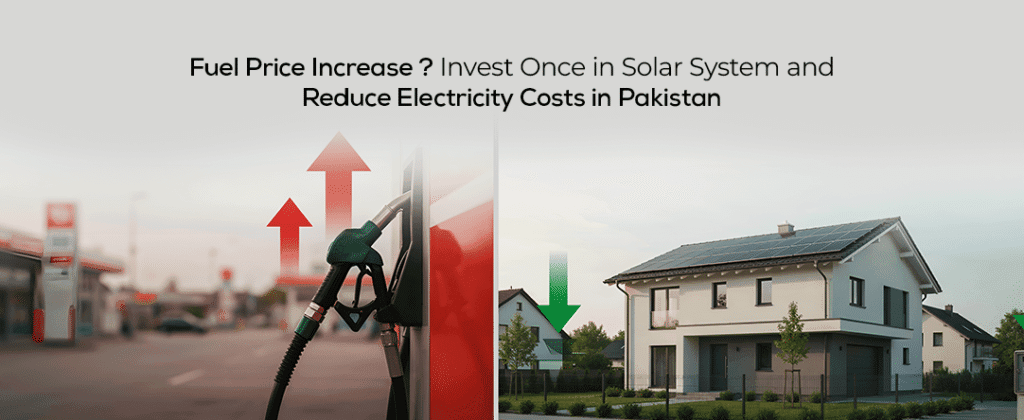
10 Surprising Facts About Solar Energy and Solar Panels in Pakistan
September 4, 2023
Solar Panels for Businesses: Why Pakistani Entrepreneurs Should Invest Now
August 25, 2023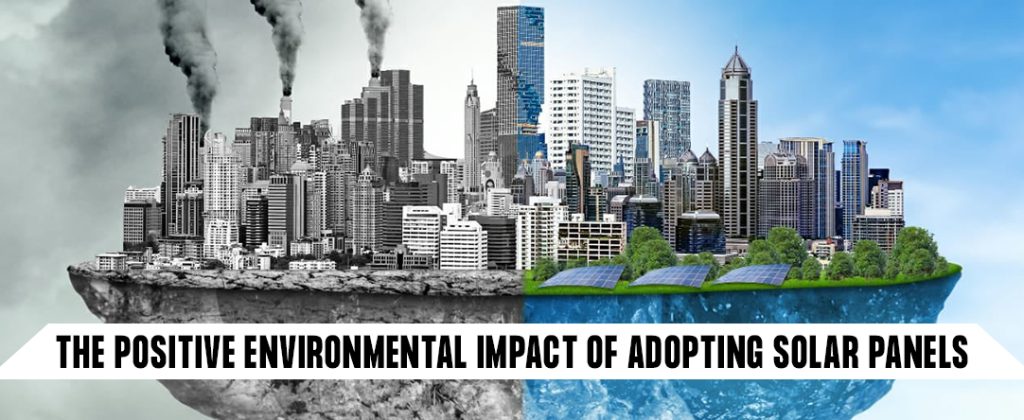
Worldwide, enthusiasm for renewable energy is rising as nations explore options beyond conventional fossil fuels. Blessed with abundant sunshine year-round, Pakistan is emerging as a leader in this regional solar transformation.
Adopting solar panels is far more than a trend—it represents a crucial shift toward long-term environmental sustainability and financial resilience. Below is an in-depth look at how solar energy drives positive ecological and economic outcomes across Pakistan.
A Powerful Shield Against Carbon Emissions
Harnessing solar energy directly reduces individual and national carbon footprints. Traditional thermal power generation—relying on coal, furnace oil, and natural gas—releases substantial amounts of greenhouse gases into the atmosphere. These emissions accelerate global warming, triggering unpredictable weather patterns, severe heatwaves, and agricultural disruptions.
In contrast, photovoltaic (PV) arrays produce clean, emission-free electricity. A single residential rooftop solar system significantly lowers annual carbon dioxide output. Scaled across thousands of homes and industrial units, widespread adoption combats regional climate impacts and ensures cleaner air for future generations.
Dramatically Improving Urban Air Quality
Vibrant urban centers across Pakistan—such as Lahore, Karachi, and Faisalabad—frequently grapple with severe winter smog and high particulate pollution. Fossil fuel power generation releases harmful pollutants including nitrogen oxides, sulfur dioxide, and particulate matter ($\text{PM}_{2.5}$), which contribute directly to severe respiratory issues and cardiovascular illnesses.
Solar panels convert sunlight directly into direct current (DC) electricity without fuel combustion or toxic air emissions. Expanding clean solar capacity in densely populated cities delivers immediate public health benefits:
-
Cleaner Urban Air: Reduces reliance on localized diesel generators during peak outages.
-
Lower Healthcare Costs: Decreases pollution-induced respiratory hospital visits.
-
Reduced Smog Intensity: Cuts industrial and energy-sector carbon footprints during winter months.
Conserving Pakistan’s Critical Water Resources
While thermal and nuclear power plants require millions of gallons of water daily for cooling, steam generation, and fuel refining, solar energy operates completely dry.
| Power Generation Source | Operational Water Intensity | Impact on Pakistan’s Water Security |
| Coal & Thermal Plants | High (Thousands of liters per MWh) | Accelerates groundwater depletion in water-stressed regions |
| Solar Photovoltaic Systems | Zero (Dry conversion process) | Preserves vital fresh water for agriculture and drinking supplies |
Given that Pakistan is facing increasing water scarcity, shifting to water-smart solar power ensures that precious freshwater resources remain reserved for municipal and agricultural needs.
Debunking Modern Solar Myths & Key Operational Advantages
1. System Reliability & Battery Storage Progress
A common concern regarding solar adoption is reliability during overcast days or nighttime hours. Modern solar installations address this challenge by pairing PV modules with hybrid energy storage systems. Advanced lithium battery storage captures surplus midday solar energy, ensuring seamless, uninterrupted backup power during evening peak hours and localized grid outages.
2. Enhanced Financial Viability
Plummeting solar component costs and rising grid tariffs have made solar adoption economically accessible for mainstream Pakistani households and commercial enterprises. Payback periods for residential and commercial solar investments now average 2.5 to 4 years, turning rooftop arrays into long-term income-generating assets.
3. Infinite Clean Resource Supply
Fossil fuels are finite, volatile in price, and subject to import tariffs. In contrast, solar energy harnesses an inexhaustible, localized power source—delivering continuous energy independence without foreign exchange liabilities.
Why Maxpower Lead Pakistan’s Solar Revolution
Selecting high-quality equipment tailored to Pakistan’s demanding climate is essential for long-term generation performance. Solutions offered through maxellpower.com stand out as top-tier choices across the nation:
-
Built for Local Climate Conditions: Equipment engineered to withstand extreme ambient temperatures—from the intense summer heat of Multan to the freezing winters of Gilgit.
-
High Operational Efficiency: Advanced MPPT technology extracts maximum power yield even under low-light or hazy sky conditions.
-
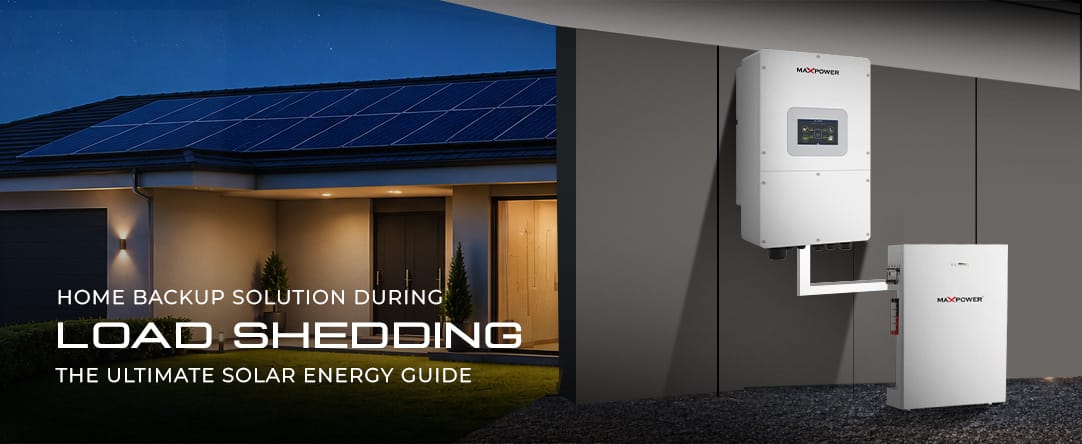
Comprehensive Inverter & Battery Ecosystem: Pairing solar panels with Maxpower hybrid solar inverters and high-density Maxpower lithium-ion batteries delivers continuous backup during grid outages.
For further equipment selection guides and site sizing insights, read our previous articles on buying the best solar inverter for residential use and solar net metering and net billing in Pakistan. Explore detailed specifications on the official Maxpower News & Insights portal.
Frequently Asked Questions
How do solar panels directly help improve urban smog and air quality in Pakistan?
Solar panels generate clean electricity without burning fossil fuels, meaning they produce zero atmospheric pollutants, nitrogen oxides, or carbon emissions. Replacing fossil-fuel power and diesel backup generators with solar energy directly reduces the urban smog index in major cities.
Do solar panel systems require water during daily power generation?
No. Solar PV systems use a completely dry solid-state process to convert sunlight into electricity, requiring zero water for daily operations. The only minor water usage is periodic glass surface washing to remove dust and dirt.
How do solar systems maintain reliable backup power during night hours or overcast weather?
Hybrid solar systems store excess daytime generation in connected lithium-ion battery banks. When the sun sets or grid power drops, the hybrid inverter automatically switches to battery power, providing uninterrupted electricity for household loads.
What is the typical financial payback period for a residential solar investment in Pakistan?
With high grid tariffs and fuel price adjustments (FPA), most residential and commercial solar installations achieve full capital payback within 2.5 to 4 years, after which the system produces virtually free electricity for its remaining 25+ year lifespan.
Why is pairing a solar system with a quality hybrid inverter important for climate resilience?
Quality hybrid inverters manage bi-directional power flows, regulate grid voltage fluctuations, and optimize battery charging cycles. This ensures your solar setup remains fully operational and protected even during severe weather conditions or grid instability.