Solar Inverter Price in Pakistan 2026: Best Options for Winter
October 13, 2026In November 2026, NASA is set to host one of the most anticipated aerospace expos of the decade. The NASA MAX POWER 2026 event at Kennedy Space Center will bring together the latest advancements in air and space technology, celebrating American innovation at the dawn of the nation’s 250th anniversary. While the MAX POWER NASA event showcases rockets, supersonic aircraft, and next‑generation spaceflight hardware, it also represents something bigger: humanity’s relentless push to harness energy beyond the limits of Earth.
That same spirit of innovation is already transforming how Pakistan powers its homes, hospitals, factories, and farms. At MaxPower, we believe that the technologies pushing spacecraft into the cosmos, especially advanced photovoltaics and energy storage systems, are directly related to the solar energy solutions we deliver across Lahore, Karachi, Islamabad, Gujranwala, and beyond. This article explores what NASA MAX POWER 2026 really means, how NASA solar technology is shaping the future of space‑based solar energy, and why MaxPower is bringing that future down to Earth with high‑performance hybrid solar inverters, lithium batteries, and solar panels engineered for Pakistan’s unique energy challenges.
NASA MAX POWER 2026 is an official aerospace exposition and airshow scheduled for November 7–8, 2026, at NASA’s Kennedy Space Center in Florida. Created to honor America’s 250th anniversary, the two‑day MAX POWER NASA event will feature immersive technology demonstrations, air shows, spaceflight hardware exhibits, military aircraft displays, and behind‑the‑scenes access to one of the world’s most famous spaceports. Visitors will experience talks led by NASA experts, meet astronauts, and witness firsthand the technologies that are pushing the boundaries of exploration.
While the event is broadly focused on aerospace innovation rather than solely on renewable energy, it arrives at a pivotal moment when space agencies and energy researchers are increasingly converging on a shared goal: unlocking limitless clean power. From supersonic X‑59 aircraft to advanced orbital systems, the technologies on display at NASA MAX POWER 2026 reflect a future where energy efficiency, lightweight power generation, and extreme‑environment durability are paramount. These are the exact same principles that define next‑generation solar energy systems here on Earth. You can learn more about the official event directly from
NASA MAX POWER.
Beyond the airshow excitement, NASA has been quietly advancing some of the most important research in the world on space solar power and orbital photovoltaics. In 2024, NASA’s Office of Technology, Policy, and Strategy released a comprehensive report examining the feasibility of space‑based solar energy, analyzing how orbital collection systems could one day harvest sunlight continuously without atmospheric interference and beam it back to Earth. This concept, once confined to science fiction, is now being actively evaluated as a potential cornerstone of global clean energy strategy.
NASA’s contributions go even deeper. Through programs like the Space Photovoltaics Research and Technology (SPRAT) conference and partnerships with the U.S. Department of Energy, NASA continues to push the efficiency boundaries of multi‑junction solar cells, thin‑flexible arrays, and high‑voltage space power systems. In 2026, the Department of Energy announced significant funding opportunities for space photovoltaics research, signaling that the same solar technologies powering satellites and lunar missions may soon influence terrestrial energy infrastructure. Read more about NASA’s vision at
NASA Space-Based Solar Power Report and the
DOE Space Photovoltaics R&D.
What makes this relevant to Pakistan? The answer lies in technology transfer. The high‑efficiency solar cells, intelligent power management systems, and durable energy storage architectures developed for space must survive extreme temperatures, radiation, and dust, conditions not entirely unlike the scorching heat and dust storms of Punjab, Sindh, and Khyber Pakhtunkhwa. As NASA refines NASA solar technology for orbital deployment, the downstream benefits flow into commercial solar panels, smart inverters, and lithium battery systems that MaxPower deploys across Pakistan every day.
While NASA looks upward to harvest sunlight in orbit, MaxPower looks across Pakistan to ensure every rooftop, factory floor, and farmhouse captures the maximum possible energy from the sun. MaxPower is a leading solar energy solutions provider based in Pakistan, specializing in high‑efficiency solar panels, advanced hybrid solar inverters, and long‑life lithium battery storage systems designed specifically for local grid conditions, voltage fluctuations, and extreme weather.
Our product ecosystem mirrors the demands of space technology in surprising ways. NASA requires solar arrays that are lightweight, efficient, and resistant to thermal stress. Pakistani homes and businesses need solar panels that maintain high output despite seventy‑degree Celsius rooftop temperatures. NASA needs power electronics that can manage variable energy inputs from the sun while charging storage systems for lunar nights. Pakistani consumers need hybrid solar inverters that can juggle daytime solar generation, evening battery discharge, and unpredictable grid availability without missing a beat.
By choosing MaxPower, you are not just buying a solar system. You are investing in a technology philosophy aligned with the future: maximum energy harvest, intelligent storage, and resilient power delivery. Whether you need a compact five‑kilowatt setup for a city home or a fifty‑kilowatt industrial installation, our engineering approach applies the same efficiency‑first mindset that drives space solar power innovation.
Explore our complete range of high‑performance solar panels and rugged hybrid solar inverters built for Pakistani conditions.
If space‑based solar energy represents the next frontier, then hybrid solar inverters and lithium batteries are the present‑day engines making solar viable for millions of Pakistanis. Pakistan’s energy crisis is not just about generation capacity; it is about reliability. Load shedding, low voltage, and rising tariffs mean that a simple grid‑tied solar system is no longer enough for most families and businesses.
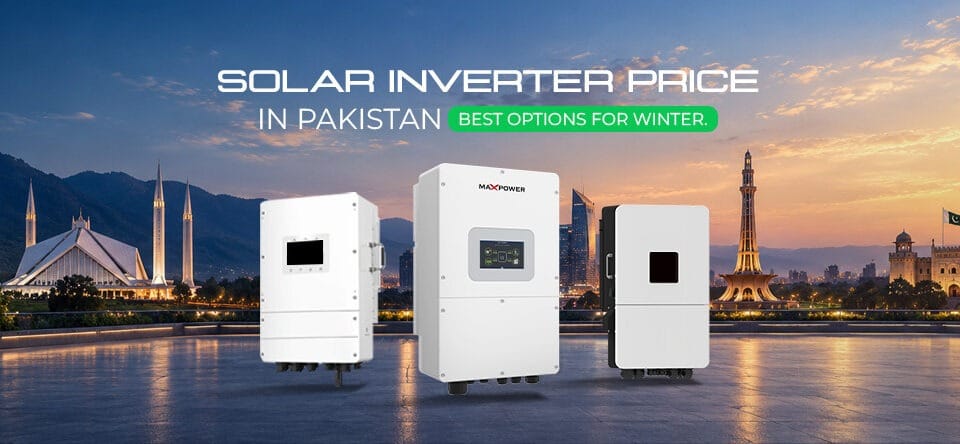
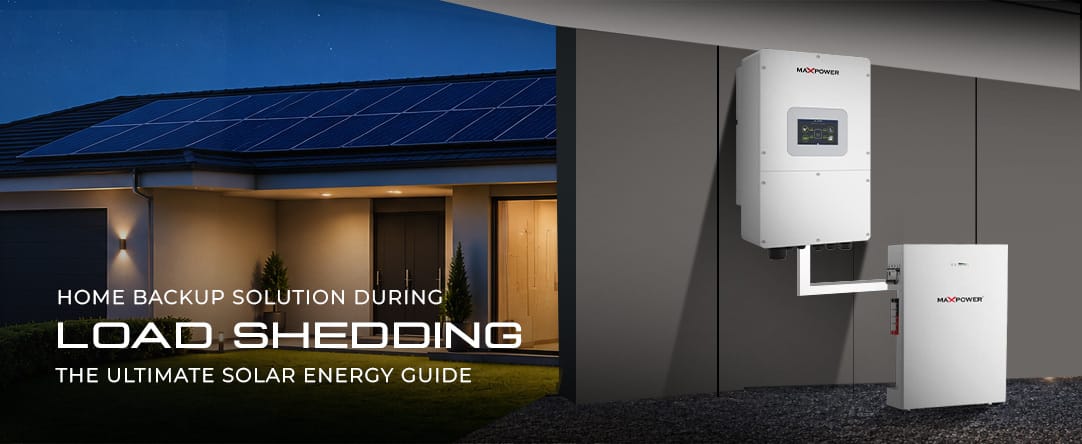
A hybrid solar inverter solves this by acting as the intelligent command center of your installation. It converts DC power from your solar panels into usable AC electricity, charges your lithium battery bank with surplus daytime energy, and seamlessly switches to backup power when the grid disappears. For a factory in Faisalabad facing a midday outage, or a hospital in Lahore that cannot afford a second of downtime, this capability is transformational. MaxPower’s inverter lineup, including the PV Tech, Suntronic, Voltas, and HYD series, delivers the pure sine wave output and surge capacity needed to protect sensitive equipment while maximizing self‑consumption.
Storage is equally critical. Older lead‑acid batteries simply cannot handle the daily cycling, heat, and depth of discharge that modern solar users demand. MaxPower lithium batteries, such as the MP‑2500 Alpha and MP‑10000 Alpha, offer deep‑cycle durability, fast charging, and maintenance‑free operation that bring space‑grade reliability to Pakistani homes. These batteries store the energy that powers your air conditioners through the night, keeps your lights on during load shedding, and reduces your dependence on expensive grid imports.
Discover how our lithium battery range integrates with MaxPower solar inverters to create complete energy independence.
Pakistan receives some of the highest solar irradiance levels in the world. From the plains of Punjab to the coast of Karachi, the sun delivers more than enough energy to power the entire country many times over. Yet for too long, that potential has been wasted due to outdated equipment, poor system design, and a lack of understanding about how to match solar technology to local conditions.
As global interest in space solar power accelerates, the terrestrial solar market in Pakistan must evolve in parallel. That means moving beyond basic installations toward intelligent, scalable, and future‑proof systems. It means choosing solar panels with low temperature coefficients that resist heat losses. It means installing hybrid solar inverters that are ready for net metering today and battery expansion tomorrow. It means adopting lithium battery storage that cycles efficiently for ten to fifteen years rather than failing after two summers.
MaxPower is committed to this evolution. We do not simply sell hardware; we engineer complete solar energy solutions that treat every installation as a long‑term power asset. By aligning our product selection with the durability and efficiency standards demanded by extreme environments, we ensure that Pakistani consumers benefit from the same technological advances driving NASA’s missions, without needing a rocket to access them.
The future of energy is being written in two places simultaneously: in the orbital research labs studying space‑based solar energy and on the rooftops of Lahore, Karachi, and Islamabad where MaxPower systems are already delivering clean, reliable electricity. You do not need to wait for satellites to beam power from space. The technology to slash your bills, eliminate load shedding, and secure your energy future is available right now.
Whether you are a homeowner looking for a reliable hybrid solar system, a business owner seeking net metering savings, or an industrial operator needing heavy‑duty backup, MaxPower has the products and expertise to design your ideal solution.
Contact MaxPower today for a free energy assessment and discover how our solar panels, hybrid solar inverters, and lithium batteries can power your property with the same innovation spirit that drives NASA MAX POWER 2026.
What is NASA MAX POWER 2026 and when is it happening?
NASA MAX POWER 2026 is an official aerospace exposition and airshow hosted by NASA at Kennedy Space Center in Florida on November 7–8, 2026. The MAX POWER NASA event celebrates American innovation with technology demonstrations, aircraft displays, and spaceflight exhibits. While it covers broad aerospace advancements, it highlights the same frontier‑pushing spirit behind modern NASA solar technology and energy research.
Is NASA MAX POWER 2026 specifically about solar energy or space solar power?
The event itself is a general aerospace expo featuring air and space technologies, not exclusively a solar conference. However, NASA is actively researching space solar power and space‑based solar energy through separate programs, reports, and photovoltaic partnerships. The NASA MAX POWER 2026 event symbolizes the broader technological momentum that includes advanced energy systems for space exploration.
How does NASA solar technology relate to MaxPower solar Pakistan products?
NASA’s research into high‑efficiency photovoltaics, extreme‑environment durability, and intelligent power management directly influences the commercial solar technology used in MaxPower products. The same principles of thermal resilience, maximum power point tracking, and efficient energy storage that NASA refines for space missions are embedded in MaxPower hybrid solar inverters, lithium batteries, and solar panels designed for Pakistan’s harsh climate.
What are the best MaxPower solar solutions for homes and businesses in Pakistan?
For most Pakistani homes and commercial properties, the best MaxPower solar Pakistan solution is a hybrid solar system consisting of high‑efficiency solar panels, a capacity‑matched hybrid solar inverter, and a deep‑cycle lithium battery bank. This configuration reduces electricity bills through net metering, provides backup during load shedding, and supports future expansion as energy needs grow.
Can I use a MaxPower hybrid solar inverter with lithium batteries for backup power?
Yes, MaxPower hybrid solar inverters are specifically engineered to work seamlessly with modern lithium battery systems, including the MP‑2500 Alpha and MP‑10000 Alpha series. This pairing provides fast charging, deep discharge capability, and long cycle life, making it ideal for Pakistani homes and businesses that need reliable backup during frequent grid outages.