Choosing the Best Lithium-Ion Battery for Your Home in Pakistan
April 30, 2026
Top Benefits of Using Max Power Lithium-Ion Batteries with Hybrid Inverters
April 23, 2026
There is a version of solar that underwhelms people. They install panels, connect a basic inverter, use a lead-acid battery bank, and then wonder why their system cannot keep up during evening peak hours or extended load shedding. The panels are fine. The issue is the architecture of the system itself.
Then there’s the version that works like people thought solar would when they first chose it. That version almost always involves a well-matched hybrid inverter paired with a quality lithium battery in Pakistan. The difference between these two experiences is not small, and if you are investing in a solar system in Pakistan in 2026, understanding this pairing before you buy is genuinely important.
What a Hybrid Inverter Actually Does
A standard grid-tied inverter converts DC power from your panels to AC for your home and feeds excess to the grid. That is its entire job. If the grid goes down, a basic grid-tied inverter shuts down for safety reasons, which means no solar power for you during an outage.
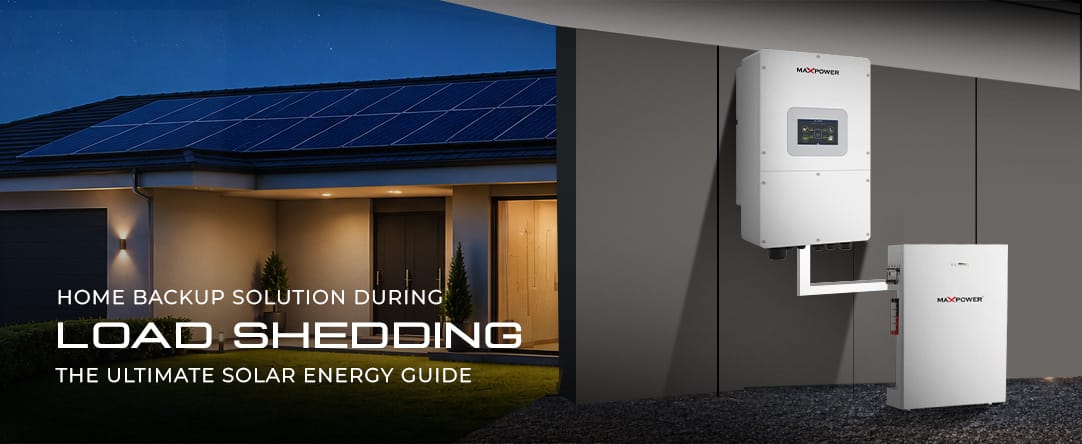
A high-performance hybrid inverter works differently. It manages three sources simultaneously: your solar panels, your battery bank, and the grid. It decides in real time which source to use, when to charge the battery, and how to prioritize your loads. During the day with solar generation, it powers your home from panels first. Any surplus charges the battery. At night or during load shedding, it draws from the battery. If both solar and battery are insufficient, it pulls from the grid.
This intelligent energy management is what makes a hybrid solar inverter genuinely valuable in Pakistan’s grid environment.
Why the Battery Chemistry Matters as Much as the Inverter
A hybrid inverter paired with a lead-acid battery bank is a functional combination, but it has limitations. The inverter has to manage charge rates carefully to protect the lead-acid batteries, which means slower charging and less flexibility in how aggressively the system can respond to load changes or grid interruptions.
Pair the same best hybrid solar inverter in Pakistan with a lithium battery, and the dynamics change substantially. Lithium batteries accept charge very fast, which means your solar panels can replenish the battery during a short sunny window much more efficiently. The higher depth of discharge means your inverter can draw more of the battery’s capacity before switching to grid power. The flat discharge curve of lithium chemistry means that the inverter gets a steady voltage while the battery is being used, which makes the whole system work better.
Max Power’s lithium batteries use a BMS data link to communicate with Max Power hybrid inverters. This means the inverter receives real-time information about the battery’s charge state, temperature, and health and can make smarter decisions about when and how to charge and discharge.
The Real Benefits in Pakistan’s Context
In response to chronic power shortages and soaring electricity costs, Pakistani residential, commercial, and industrial consumers are increasingly turning to decentralized energy solutions, most notably rooftop solar combined with battery storage.
In this environment, the performance of your battery during load shedding is the make-or-break metric for your solar investment. With a pricing tier for Max Power inverters that includes both entry-level and high-capacity hybrid units, Max Power gives you the option to right-size the inverter for your actual load rather than over-specifying or under-specifying.
Here is what the pairing delivers in practice:
- Seamless switchover: When grid power cuts, a quality hybrid inverter transitions to battery power in milliseconds. You do not notice the switch. Computers stay on, and appliances keep running.
- Faster battery recharge: Lithium’s high charge acceptance means your battery is ready again quickly once solar generation resumes.
- More usable backup time: Because you can use 80 to 100% of a lithium battery’s capacity, the same rated kWh gives you significantly more real backup time than lead-acid.
- Better inverter performance: Stable voltage from lithium chemistry reduces inverter stress and can extend the inverter’s operational life.
How the Max Power Lithium and Hybrid Inverter Combination Compares to Generic Setups
Many installers in Pakistan pair whatever battery is cheapest with whatever inverter the customer brings them. This often works, but it rarely delivers optimal performance. The solar inverter price in Pakistan for a quality hybrid unit is higher than basic string inverters precisely because the technology is more sophisticated.
The system is designed and tested to work together when you pair a Max Power hybrid inverter with Max Power lithium batteries. The lithium-ion battery for solar prices in Pakistan from Max Power reflects this engineered compatibility. You are not hoping two third-party products communicate eloquently. You are installing a matched system.
What to Expect From Setup and Installation
A proper hybrid inverter and lithium battery installation in Pakistan requires correct wiring for battery communication cables, proper inverter settings for lithium battery chemistry, and load configuration to define which circuits get priority backup.
Max Power’s installation team and authorized dealers handle all of these tasks, ensuring the system is configured correctly rather than left on default settings that are often calibrated for lead-acid batteries.
Frequently Asked Questions
Can I use a Max Power hybrid inverter with lead-acid and upgrade later?
Yes. It supports both, and you can switch to lithium by updating settings.
Does the Max Power hybrid inverter support net metering?
Yes, it is compatible with NEPRA net-metering regulations.
How long does a Max Power lithium battery last?
Around 3,000–6,000 cycles, or roughly 8–16 years of daily use.
What happens if the battery is fully discharged?
The inverter switches to grid power or prioritizes essential loads if the grid is unavailable.
Are You Getting the Most Out of Your Solar Setup Right Now?
A solar system that frustrates you during load shedding is almost always a pairing problem. The panels are working. The issue is how the inverter and battery are managing energy. A properly matched max power hybrid inverter and lithium battery system resolves these issues fundamentally.
Contact Max Power today to assess your current setup or design a new one built around your home’s actual energy profile.