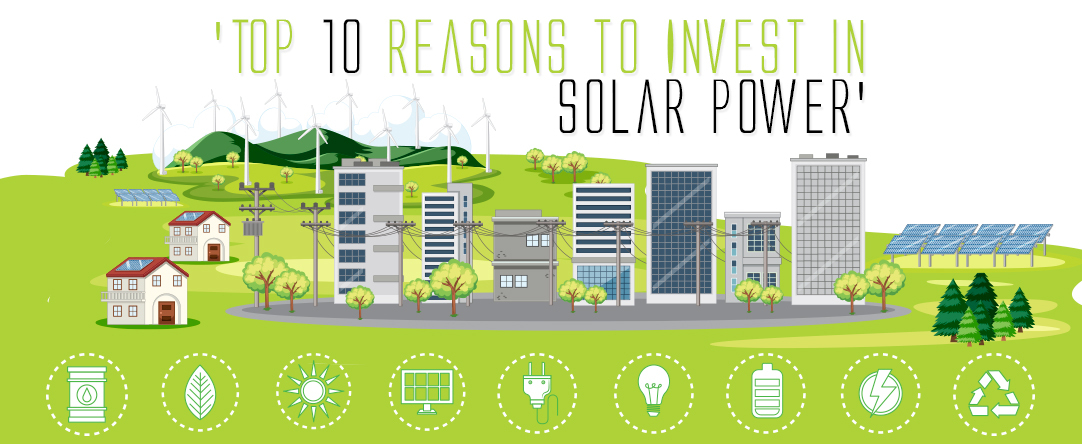
Top 10 Reasons to Invest in Solar Power
October 17, 2022
Complete guide to Solar Panels in Pakistan
November 1, 2022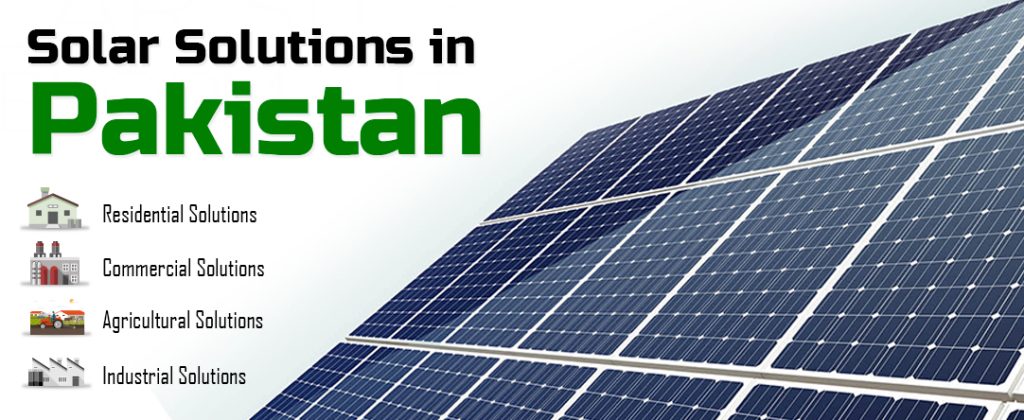
Our country urgently needs a clean, safe alternative to fossil‑fuel‑based electricity. Solar systems are trending nationwide—and rightly so—because they use sunlight, a safe and renewable energy source. By adopting solar energy, you help reduce demand for carbon‑intensive power generation, protecting the environment and supporting a healthier society.
Investing in a solar system means long‑term peace of mind, with far fewer worries about rising electricity bills. When it comes to solar in Pakistan, one company stands out for manufacturing its products locally: Maxpower, a leading solar energy provider serving homes, businesses, industries, and farms across the country.
Residential Solutions
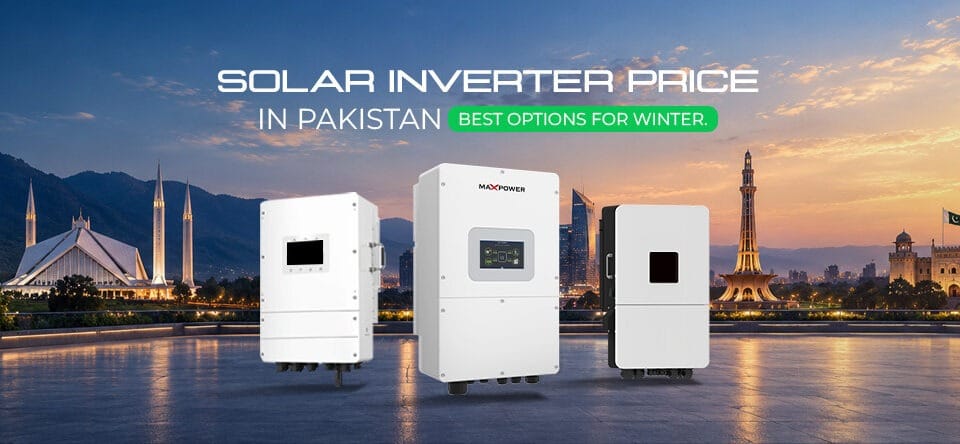
With electricity prices climbing steadily in recent years, more households are turning to solar systems to meet their energy needs. Solar not only provides economical electricity but also gives you greater independence in power generation. MaxPower offers cost‑effective, high‑quality solar solutions designed for Pakistani conditions, backed by reliable after‑sales service.
MaxPower’s residential solar systems are built to perform reliably even in rough weather, ensuring durability and consistent output.
Which Solar System Is Best for Your Home?
The right system depends on your home’s monthly electricity consumption. Below is a general overview of typical monthly energy production for different residential system sizes (actual output may vary based on location, shading, and panel orientation):
-
3 kW solar system – approx. 300–350 units per month
-
5 kW solar system – approx. 500–600 units per month
-
10 kW solar system – approx. 1100–1200 units per month
-
15 kW solar system – approx. 1700–1800 units per month
These systems can significantly reduce or even eliminate your electricity bill, especially when combined with net metering where available.
Commercial Solutions
For hospitals, schools, offices, and other commercial setups, solar is a one‑time investment with long‑term rewards. MaxPower offers a wide range of commercial solar systems tailored to different business sizes and energy requirements.
Key features of MaxPower’s commercial solutions:
-
Customized systems – designed to match each client’s specific load profile.
-
Fast installation – professional teams ensure quick and efficient setup.
-
Capacity range – 15–100 kW systems available to suit small shops, medium offices, and large commercial buildings.
By lowering electricity costs and improving energy reliability, solar helps businesses improve profitability and operational stability. To learn more about optimizing commercial installations, check out our guide on choosing commercial solar inverters.
Agricultural Solutions
Agriculture is the backbone of Pakistan’s economy, yet many rural areas lack reliable electricity or face frequent load shedding. This makes it difficult for farmers to run tube wells and irrigate crops effectively.
MaxPower’s agricultural solar solutions are designed to support and develop this vital sector:
Solar Tube Wells & Water Pumps
Solar‑powered tube wells use sunlight to pump water for irrigation. They:
-
Eliminate or reduce monthly electricity costs for farmers.
-
Provide reliable water supply without dependence on grid outages.
-
Are cost‑effective over the long term, with low operating expenses.
Existing diesel or electric pumps can often be converted to solar, offering the same performance at lower running costs. Solar pumps are also compatible with drip irrigation systems, improving water efficiency and crop yields.
Industrial Solutions
Industrial units have the highest energy demand, and even short power outages can lead to significant financial losses. Solar power plants help industrial facilities:
-
Reduce dependence on the grid.
-
Ensure more stable and predictable energy costs.
-
Maintain operations during grid instability (with hybrid or off‑grid configurations).
While the initial investment is higher, industrial solar plants typically offer a strong return on investment (ROI) within a few years, followed by decades of lower energy costs.
Net Metering
Net metering is a billing mechanism that allows you to:
-
Export excess solar electricity to the grid.
-
Receive credits or payments for that energy.
-
Use those credits to offset electricity drawn from the grid at night or during low‑production periods.
Net metering requires a bi‑directional meter installed by your utility alongside a grid‑connected system (on‑grid or hybrid). This feature can turn your solar system into a source of savings—and potentially income. For detailed steps, read our full guide on the Net Metering Application Process in Pakistan.
Components of a Solar Solution
A complete solar solution typically includes:
-
Solar Panels – capture sunlight and convert it to DC electricity.
-
Solar Inverter – converts DC to AC power for your appliances.
-
Batteries – store energy for use when the sun isn’t shining (essential for off‑grid and hybrid systems).
-
Solar Power Meter / Monitoring – tracks energy production and consumption.
Solar Panels by MaxPower
MaxPower manufactures solar panels in Pakistan using international standards and Italian technology. Options include:
-
MaxPower 200W Monocrystalline Solar Panel: Single‑crystal silicon structure offering higher efficiency and better performance in limited space.
-
MaxPower 170W Polycrystalline Solar Panel: Multi‑crystalline silicon design that provides a cost‑effective solution suitable for general residential use.
You can explore detailed hardware spec sheets on the official Maxpower Solar Catalog.
Types of Solar Solutions
MaxPower offers three main types of solar systems:
-
On‑Grid Solar Solution: Connected directly to the utility grid with no batteries required. Excess energy is exported via net metering. Lower upfront cost and high efficiency, but shuts down during grid outages for safety.
-
Off‑Grid Solar Solution: Completely independent of the grid and relies on battery banks to store energy. Offers full energy independence, making it ideal for remote areas.
-
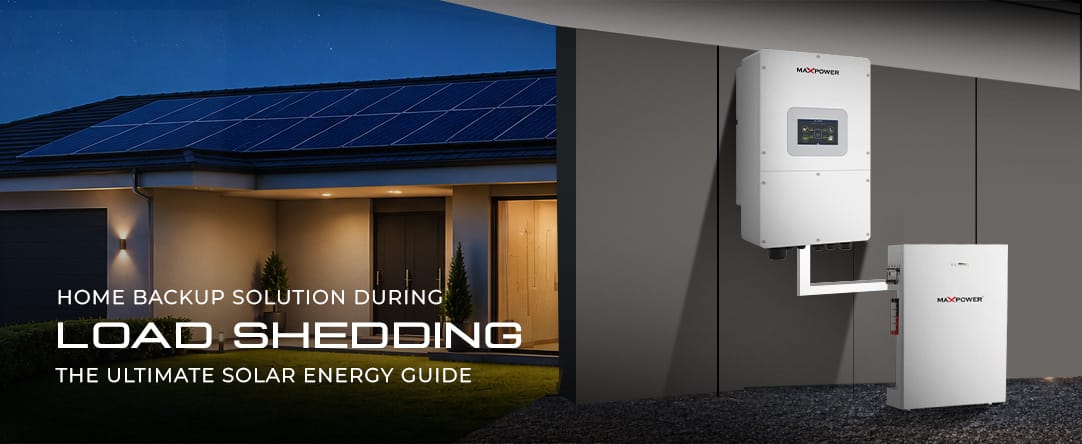
Hybrid Solar Solution: Combines grid connection with battery storage to offer seamless backup power during blackouts while retaining net metering benefits.
To compare advanced backup setups, check out our insights on lithium solar battery performance.
Why Choose MaxPower?
MaxPower has established itself as a leading solar energy company in Pakistan by:
-
Manufacturing locally – supporting the local economy and ensuring product availability.
-
Offering a wide range of solutions – from small residential systems to large industrial and agricultural projects.
-
Providing reliable after‑sales service – installation support, maintenance, and monitoring.
-
Completing numerous projects nationwide – with positive feedback from residential, commercial, industrial, and agricultural clients.
Whether you’re a homeowner looking to cut bills, a business aiming to reduce operating costs, or a farmer needing reliable irrigation, Maxpower has solar solutions designed to meet your needs and deliver long‑term value.
Frequently Asked Questions
How do I select the right solar system capacity for my home?
System capacity depends on your average monthly electricity consumption in units. For example, a 5 kW system generates roughly 500–600 units per month, whereas a 10 kW system yields around 1100–1200 units per month under optimal sunlight.
Can solar water pumps completely replace diesel generators for agricultural tube wells?
Yes. Solar-powered VFD (Variable Frequency Drive) inverters can run conventional three-phase tube well motors directly off PV panel energy during daylight hours, eliminating diesel fuel costs entirely.
What is the main difference between On-Grid, Off-Grid, and Hybrid solar systems?
On-Grid systems export excess electricity to the grid via net metering but do not function during power outages. Off-Grid systems run independently with battery storage. Hybrid systems combine both, storing energy in batteries for load shedding backup while exporting excess units to the grid.
How does net metering reduce my monthly utility bill in Pakistan?
Net metering records both the electricity you consume from the grid and the excess units your solar array exports. At the end of the billing cycle, exported units offset imported units, lowering your net bill or generating financial credits for future months.
Are local solar panels manufactured in Pakistan durable enough for extreme weather?
Yes. Local manufacturing by companies like Maxpower follows international quality standards with materials engineered to handle high ambient heat, dust accumulation, and heavy wind loads typical of the Pakistani climate.