How solar pumping inverters can benefit farmers and landowners?
February 18, 2025
Why Lithium-Ion Batteries Are Considered a Gamechanger
February 18, 2025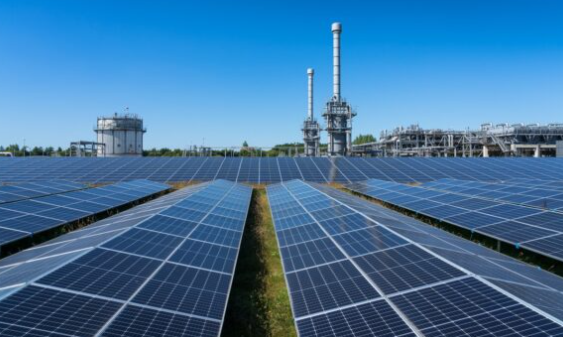
Commercial and Industrial Solar Energy: Driving Economic and Operational Sustainability
The adoption of solar energy is no longer just a trend; it is a powerful shift in how businesses manage energy consumption, reduce costs, and address their environmental impact. As industries and commercial sectors move toward sustainability, solar energy is crucial in transforming energy systems.
Solar energy, particularly commercial solar power, is becoming increasingly common, helping businesses transition from conventional energy sources to renewable energy solutions. With rising energy costs and growing environmental concerns, the commercial and industrial sectors are leveraging solar energy to gain a competitive edge.
The Shift Towards Solar Energy in the Commercial Sector
In recent years, the commercial sector has become a significant adopter of solar energy solutions. Companies are installing commercial solar power systems to reduce energy bills, achieve sustainability goals, and lower carbon footprints. According to industry trends, the commercial sector is moving toward using renewable energy, and the growth of solar installations reflects this shift. The cost savings from solar energy, combined with various government incentives and tax rebates, have made it an attractive option for businesses worldwide.
Solar power offers businesses more than just a reduction in operational costs. It enables them to take control of their energy generation. With solar installations, businesses can produce electricity and reduce their reliance on energy from the grid. This stabilizes energy costs and enhances energy security, especially when grid supply may be unpredictable or subject to fluctuating prices.
Additionally, businesses can benefit from modern energy storage solutions—similar to advanced lithium solar batteries for home use—which store excess energy generated during the day. This stored energy can be used at night or during cloudy periods when solar generation is low. This allows for a reliable energy supply for businesses and helps mitigate any issues arising from peak energy demand.
Solar Energy’s Role in the Industrial Sector
The industrial sector is one of the largest energy consumers globally, with manufacturing, production, and machinery operations driving significant energy needs. As energy prices rise, industries increasingly use renewable energy solutions, including solar power, to manage costs. The growing adoption of commercial solar power in industrial sectors demonstrates the viability of solar energy as a cost-effective solution for energy-intensive operations.
Industries benefit from commercial solar power in several ways:
-
Direct Energy Cost Reduction: Generating power on-site provides a stable, predictable energy source, preventing cost spikes during peak tariff hours.
-
Effective Space Utilization: Ample space on factory rooftops and unused land can be deployed for high-efficiency solar panel arrays.
-
Environmental Impact: Shifting to renewable energy significantly lowers reliance on fossil fuels and cuts corporate carbon emissions.
By integrating solar power into their operations, industries can make meaningful contributions toward reducing their environmental footprint. To learn more about selecting the right hardware for large setups, check out our guide on choosing commercial solar inverters.
Solar Batteries and Energy Storage for Commercial and Industrial Use
One of the main challenges with solar power is its intermittency—solar panels only produce energy during daylight hours. For commercial and industrial businesses that need constant power, high-density solar batteries and large-scale storage solutions become invaluable. Solar batteries store excess energy generated during the day, allowing businesses to use this stored energy when the sun isn’t shining.
In the commercial sector, having a backup energy source through solar energy storage ensures businesses can continue operations without interruption, even during grid power outages. Advanced energy storage systems can store large quantities of energy for larger industrial applications, making it possible to rely entirely on solar energy, even when production requires round-the-clock power.
Solar energy storage helps businesses avoid buying expensive energy from the grid during peak demand hours, lowering overall operating costs. These energy storage solutions enhance energy resilience, allowing businesses to operate smoothly despite grid disruptions. You can explore hardware technical specifications on the official Maxpower Solar Products Catalog.
Environmental and Sustainability Impact of Solar Energy
The environmental benefits of adopting solar energy are a major driving factor for both the commercial and industrial sectors. Businesses that invest in solar energy can significantly reduce their carbon footprint. Unlike fossil fuels, solar energy produces no harmful emissions and has minimal environmental impact. With global attention focused on climate change, companies that adopt renewable energy solutions are seen as leaders in sustainability.
In addition to helping businesses achieve sustainability goals, using solar energy aligns with the growing demand for clean energy. By embracing solar power, businesses contribute to reducing global carbon emissions and help pave the way for a cleaner, greener future. Many companies today recognize the importance of corporate social responsibility (CSR), and adopting commercial solar power is a strong step toward meeting sustainability commitments.
The Future of Solar Energy in the Commercial and Industrial Sectors
As technology advances, the role of solar energy in the commercial and industrial sectors is expected to grow. Innovations in solar panel efficiency, energy storage, and grid integration will make solar power even more attractive for businesses. Over time, the cost of installing solar systems is expected to continue decreasing, making it even more accessible for businesses of all sizes.
Furthermore, as more companies seek to reduce their carbon footprint and meet governmental regulations, solar power will become a key tool for achieving sustainability goals. With incentives such as tax rebates, net metering programs, green certifications, and sustainability recognition programs, businesses transitioning to solar will gain a competitive edge in a market that increasingly values environmental responsibility.
Solar energy is no longer a luxury but a critical tool for businesses to reduce energy costs, improve sustainability, and stay competitive in a rapidly changing world. By adopting commercial solar power, businesses in the commercial and industrial sectors are reducing their dependence on the grid, lowering their carbon emissions, and contributing to a greener future. With the added benefits of scalable energy storage, solar energy offers a reliable and efficient solution for businesses of all sizes.
Discover how Maxpower can help your business save costs, improve sustainability, and lead in renewable energy.
Frequently Asked Questions
How do commercial solar installations help lower operational costs for businesses?
Commercial solar systems allow businesses to generate their own electricity on-site during peak daylight hours. This reduces reliance on grid power, eliminates peak demand charges, and protects against rising utility tariffs.
What is the benefit of pairing energy storage with a commercial solar array?
Energy storage systems, such as Lithium Iron Phosphate ($\text{LiFePO}_4$) batteries, capture excess daytime solar generation. Stored energy can be discharged during nighttime hours or grid load-shedding events, ensuring zero operational downtime for critical machinery.
Can heavy machinery and high-voltage industrial equipment run on solar power?
Yes. Modern three-phase commercial and industrial hybrid inverters feature high surge capacity and advanced MPPT channels designed to power heavy industrial loads, inductive equipment, and HVAC systems smoothly.
How long does it take for a commercial solar system to achieve financial payback in Pakistan?
With current commercial grid tariffs, tax incentives, and net metering benefits, most commercial and industrial solar installations achieve full financial payback within 2 to 3 years, providing free or low-cost energy for over two decades afterward.
What maintenance is required for large-scale commercial solar systems?
Commercial solar installations require minimal maintenance. Periodic cleaning of solar panel surfaces to remove dust and debris, along with routine visual and BMS checks on inverters and lithium battery storage, guarantees optimal system performance.