Latest Solar Power Products
September 3, 2020
Renewable Energy holds the “future”
September 3, 2020
Pakistan benefits from some of the highest solar irradiance levels in the world, making solar power an effective long-term answer to the energy crunch. Key developments include:
-
Utility-Scale Generation: Photovoltaic and solar thermal installations generate clean bulk power without reliance on costly imported fossil fuels.
-
Proven Infrastructure: Solar parks across Punjab, Sindh, and Balochistan are actively supplying power to the national grid.
-
Cholistan Desert Projects: The Quaid-e-Azam Solar Park in the Cholistan desert (Bahawalpur) serves as a landmark utility-scale project with ongoing plans to expand clean power capacity.
-
Foreign and Local Investments: Commercial and industrial sector players continue to fund utility and distributed solar projects across Pakistan.
Growing Adoption of Rooftop Solar
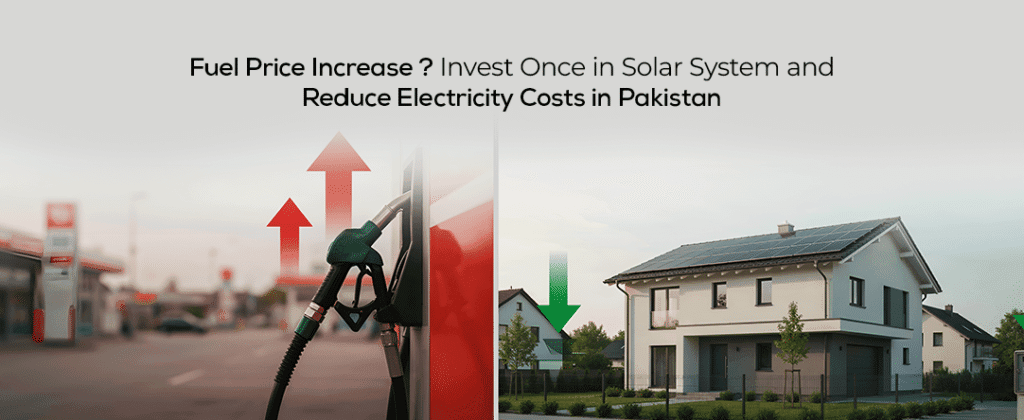
Due to rising electricity bills and frequent grid power outages, residential and commercial consumers are increasingly adopting rooftop solar systems.
Key Benefits of Switching to Solar:
-
Substantial Bill Reduction: Generating daytime electricity directly from sunlight offsets expensive grid imports.
-
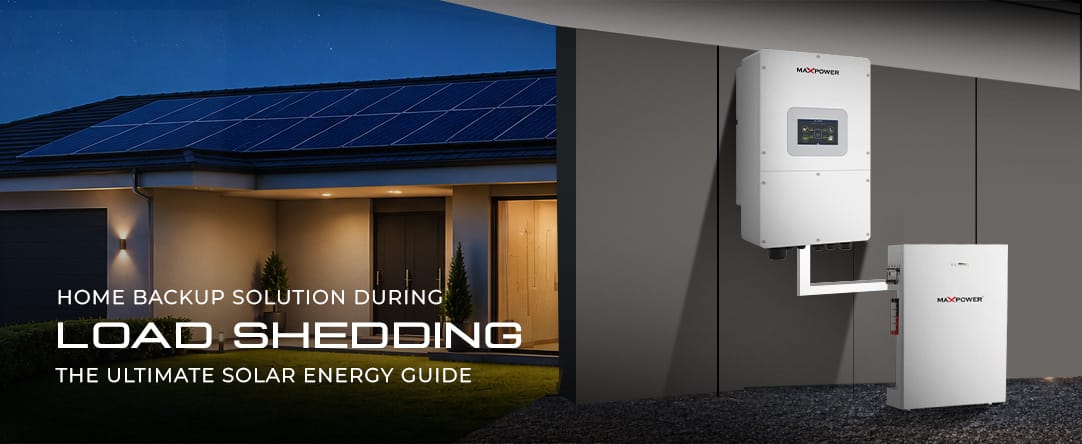
Uninterrupted Power: Paired with MaxPower Hybrid Solar Inverters and LiFePO4 Lithium Batteries, systems maintain continuous backup during load-shedding.
-
Long-Term Protection: High-quality modules, such as MaxPower Solar Panels, provide reliable power generation over a 25+ year lifespan.
Key Regulatory Actions Required
For solar power to reach its full national potential, streamlined government policies are essential:
-
Simplified Net Metering Rules: Streamline DISCO application processing for net billing and small-scale grid connections.
-
Standardized Grid Infrastructure: Modernize regional transformers and distribution feeders to handle growing two-way solar power flows.
-
Targeted Consumer Awareness: Promote technical standards and routine system care; review our guide on Commercial Solar Panel Maintenance for best practices.
-
Seasonal Optimizations: Educate consumers on seasonal output variations; see our detailed breakdown on Installing Solar Panels in Winter.
Conclusion
By embracing natural solar energy through certified equipment and streamlined grid infrastructure, Pakistan can eliminate energy shortages, lower financial burdens on households, and build a sustainable power future. For professional guidance and hardware options, explore solutions at MaxPower.
Frequently Asked Questions
How does rooftop solar power help reduce load-shedding in Pakistan?
Rooftop solar systems generate power locally at the point of consumption, easing the load on overloaded utility grids during peak daytime hours and keeping home or business appliances operational using hybrid inverter backups.
What is the average financial payback period for a residential solar system in Pakistan?
High electricity tariffs combined with intense year-round sunlight allow most residential and commercial solar systems in Pakistan to achieve full financial payback within 2.5 to 4 years.
Can a solar system continue to provide power during a grid blackout?
Yes, when equipped with a hybrid solar inverter and a battery bank (such as LiFePO4 lithium batteries), the system automatically disconnects from the down grid and continues supplying electricity to internal loads seamlessly.
What is the difference between On-Grid, Off-Grid, and Hybrid solar systems?
-
On-Grid: Connects directly to the utility grid for net metering without battery storage.
-
Off-Grid: Operates completely independently of the utility grid using battery storage.
-
Hybrid: Combines grid connectivity, net metering export capabilities, and battery backup for complete energy reliability.
Why is Pakistan geographically ideal for widespread solar adoption?
Pakistan receives over 300 sunny days per year with an average solar irradiance of 4.5 to 7 kWh/m²/day, providing optimal conditions for photovoltaic generation across all provinces.