MaxPower Solar Solutions for Hostels, Hotels & Large Homes in Pakistan – Hybrid Inverters & Lithium Batteries
October 10, 2026
Net Metering Application Process in Pakistan – Step-by-Step Guide 2026
August 15, 2026
Winter in Pakistan brings more than just cold weather. For millions of households across Punjab, Sindh, KPK, and Balochistan, the season means dealing with severe natural gas load shedding, extremely low gas pressure, and the daily frustration of freezing showers during morning peak hours. Traditional gas geysers simply fail to ignite or deliver lukewarm water when the gas supply drops, leaving families dependent on expensive LPG cylinders or inefficient electric heating.
At the same time, electricity tariffs in Pakistan have reached record highs, making it financially painful to run a standard electric geyser directly on grid power for more than a few minutes. This is exactly where solar energy steps in as a practical, long-term solution. By switching your domestic water heating load to a solar power system, you can eliminate winter gas problems entirely while protecting your household budget from rising utility costs. Running an electric geyser on solar power is not only possible in Pakistan, but it is also one of the smartest upgrades you can make to your home this winter.
Why Gas Geysers Fail During Pakistani Winters
Natural gas supply in Pakistan is managed through SNGPL and SNGC, and during winter months the demand for gas far exceeds the available supply. To manage this shortage, gas utility companies enforce scheduled load shedding during early morning and evening hours, which are precisely the times when families need hot water the most. Even when gas is technically available, the pressure drops so low that standard gas geysers cannot operate efficiently. The burner produces a weak flame, water heating takes twice as long, and in many cases the geyser simply turns off due to insufficient gas flow.
Beyond inconvenience, gas geysers carry serious safety risks. Any appliance that burns natural gas or LPG indoors produces carbon monoxide, a colorless and odorless gas that can be fatal in poorly ventilated spaces. Gas leaks, faulty regulators, and open flame hazards add to the danger, especially in homes with children or elderly family members. From a long-term utility perspective, a gas geyser serves only one purpose, heating water for a few months of the year, while offering no contribution to your overall household energy needs.
The Case for Switching to a Solar Electric Geyser
An electric geyser powered by solar energy solves every major problem that gas geysers create. Instead of depending on unreliable gas pipelines, your water heating system runs on clean electricity generated directly on your rooftop through high-efficiency solar panels. During daylight hours, particularly between 10:00 AM and 3:00 PM, your solar array produces enough energy to heat a full tank of water without drawing a single rupee worth of electricity from the grid.
Modern electric geysers with quality insulated tanks can retain hot water for twelve to eighteen hours, meaning the water heated during the afternoon remains warm for evening baths and early morning use the next day. Unlike gas geysers, electric models operate safely indoors with thermostat controls, automatic cutoffs, and zero emissions. Perhaps the most overlooked benefit is that the same solar system powering your geyser also runs your fans, lights, refrigerator, television, and air conditioning throughout the year. In summer, when your geyser usage drops, the same rooftop system generates excess electricity that can be exported back to the grid through net metering, creating utility bill credits that offset your annual energy costs.
Can Solar Systems Handle the Power Load of an Electric Geyser?
One of the most common concerns among Pakistani homeowners is whether a solar system can handle the high wattage demand of an electric water heater. The answer is yes, provided the system is sized correctly by a professional solar consultant.
Standard residential electric geysers with thirty-five to fifty-five liter storage capacity typically draw between 1,500 watts and 2,000 watts when the heating element is active. However, many modern smart electric geysers now come with adjustable wattage settings such as 800 watts, 1,200 watts, and 2,000 watts. This flexibility allows homeowners to run the geyser on a lower wattage mode during winter mornings while the solar array is building up output, then switch to full power during peak sunshine hours between 11:00 AM and 2:00 PM.
The key to successfully running an electric geyser on solar is understanding your daily generation window and matching it with your heating schedule. In Pakistani winters, even with shorter days and lower sun angles, a properly sized solar system generates substantial power during the midday window. By programming your geyser to operate within this peak period, you effectively heat your water using one hundred percent free solar energy.
Recommended Solar System Sizes for Electric Geyser Loads
Choosing the correct inverter and system capacity is essential when you plan to run a heavy resistive load like a water heater. Resistive loads demand continuous stable power, and undersizing your inverter can lead to overload trips, reduced equipment life, and poor system performance. Below are the recommended system configurations based on property size and geyser load.
A three kilowatt hybrid solar system is suitable for small homes built on five marla plots. This capacity can comfortably run an electric geyser in eight hundred to twelve hundred watt mode alongside basic household loads such as ceiling fans, LED lights, a television, and a refrigerator. It is an affordable entry point for families who want to escape gas load shedding without making a massive investment.
For medium-sized homes on eight to ten marla plots, a six kilowatt hybrid solar system is the ideal choice. This capacity smoothly operates a full two thousand watt electric geyser, a one and a half ton inverter air conditioner, a refrigerator, water pump, and complete home lighting simultaneously. It offers the perfect balance between performance and price for the average Pakistani family.
Large one kanal residences, farmhouses, and commercial offices that need to run multiple electric geysers sequentially along with water pumps and heavy machinery should consider a ten to twelve kilowatt three-phase solar system. These larger setups provide the headroom needed to power multiple high-wattage appliances without risking inverter overload or compromising the stability of the entire electrical network.
Why Inverter Quality Matters for Water Heating
Heating water using electricity is a continuous heavy-duty task that places constant demand on your solar inverter. Unlike motor-based loads such as air conditioners or refrigerators that cycle on and off, a geyser heating element draws steady power for twenty to forty minutes until the water reaches the set temperature. This means your inverter must be capable of handling prolonged high output without overheating or tripping.
Pure sine wave hybrid inverters are the only recommended choice for running electric geysers on solar power because they deliver smooth, grid-quality electricity that protects both the heating element and your home wiring. High-quality inverters designed for the Pakistani market include heavy-duty heat sinks and active cooling fans that manage continuous thermal loads efficiently. Many advanced models also offer built-in timer automation, allowing you to program the geyser to run automatically between 10:30 AM and 2:30 PM when solar generation is at its peak. On cloudy winter days when panel output drops, smart hybrid inverters can blend available solar energy with a small amount of grid power to maintain uninterrupted heating without shutting down the system. For homeowners who also want evening backup, these inverters integrate seamlessly with lithium battery banks to store excess daytime energy for later use.
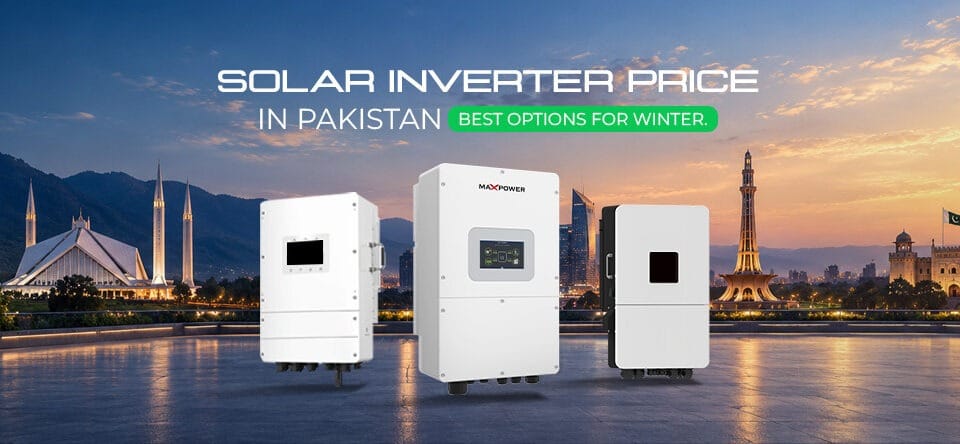
Solar Inverter Prices in Pakistan: 2026 Overview
Understanding inverter pricing helps you budget correctly for a system that can handle winter water heating loads. While market prices fluctuate based on dollar exchange rates, import policies, and specific model features, the following table provides a realistic estimated range for hybrid inverters in Pakistan in 2026.
A three kilowatt hybrid inverter suitable for small homes running a twelve hundred watt geyser mode typically ranges from eighty thousand to one hundred forty thousand Pakistani rupees. A six kilowatt hybrid inverter designed for medium homes with a full two thousand watt geyser plus complete household load generally costs between one hundred thirty-five thousand and two hundred forty thousand Pakistani rupees. For large homes running multiple geysers and air conditioners, an eight to ten kilowatt hybrid inverter falls in the range of two hundred sixty thousand to four hundred fifty thousand Pakistani rupees. Commercial-grade twelve kilowatt three-phase inverters designed for estates and office buildings start around three hundred thousand rupees and can exceed six hundred fifty thousand depending on MPPT capacity and brand specifications.
It is important to remember that inverter prices are only one part of the total system cost. High-efficiency solar panels, mounting structures, cabling, installation labor, and after-sales support all contribute to the final investment. Working with a reputable solar provider ensures you receive genuine equipment with valid warranties rather than refurbished or low-grade inverters that fail within months under heavy load.
Best Practices for Winter Solar Water Heating
To get the maximum benefit from running your electric geyser on solar power, a few simple best practices can dramatically improve efficiency and reliability throughout the winter season.
First, install a digital timer switch on your electric geyser socket. A sixteen amp digital timer can be programmed to turn the geyser on automatically between 11:00 AM and 2:00 PM, ensuring it only operates during peak solar generation hours. This removes the need to manually switch the geyser on and off and prevents accidental operation during evening hours when your system would draw expensive grid power.
Second, ensure your storage tank has proper insulation. Geysers with polyurethane foam insulation retain heat far longer than older models with basic padding. Good insulation means the water heated at 1:00 PM will still be comfortably warm at 7:00 AM the next morning, even if outside temperatures drop significantly overnight.
Third, avoid running multiple heavy appliances simultaneously on smaller systems. If you have a three kilowatt or five kilowatt solar setup, do not run your water pump, electric iron, and geyser all at the same time. Staggering these loads prevents inverter overload and ensures each appliance receives stable power.
Fourth, keep your solar panels clean throughout winter. Dust accumulation is a major problem in Pakistani cities, and dirty panels can lose up to twenty percent of their generation capacity. A simple rinse with water every two weeks maintains optimal output and ensures your geyser receives full power during the critical midday window.
Frequently Asked Questions
Can a 5kW solar system run a 2000W electric geyser in winter?
Yes. A properly installed five kilowatt or six kilowatt solar system generates more than enough power during peak daylight hours between 10:00 AM and 3:00 PM to run a two thousand watt electric geyser while simultaneously powering standard home appliances such as fans, lights, and a refrigerator.
What happens on cloudy winter days when solar output is low?
On overcast days, advanced hybrid inverters intelligently blend available solar power with a small amount of grid electricity to keep your geyser running without interruption. If your system includes lithium batteries, stored energy can also supplement the shortfall until sunshine returns.
Is a solar-powered electric geyser cheaper than a gas geyser in the long run?
Yes. When powered by solar energy, an electric geyser costs virtually zero rupees in fuel during daylight hours. Compared to rising natural gas tariffs, LPG cylinder costs, and the hidden expense of dealing with gas shortages, solar electric water heating delivers significant long-term savings and price stability.
Do I need a battery bank to run an electric geyser during the day?
No. If you run your electric geyser strictly during peak daytime hours, the solar panels route power directly through the inverter to the heating element without needing to draw from a battery bank. Batteries are only necessary if you want to heat water during early morning or late evening hours using stored solar energy.
How does net metering help when using an electric geyser in winter?
During winter afternoons, once your geyser has heated its tank and your home appliances are running, any excess electricity produced by your rooftop system is automatically exported to the WAPDA grid. This generates export credits on your electricity bill that offset the cost of peak night units and reduce your summer bills when cooling demand is highest.
Can I use my existing electric geyser with a new solar system?
In most cases, yes. Standard electric geysers work perfectly with solar power as long as your inverter has sufficient capacity to handle the wattage load. If your current geyser lacks adjustable settings, you can still run it during peak sunshine hours or upgrade to a smart model with variable wattage control.