
 📅 Jan 19, 2023
The Potential of Renewable Energy in Pakistan – What You Need To Know
January 19, 2023 📅 Feb 6, 2023
What are the best practices for maintaining and using your on-grid solar system?
February 6, 2023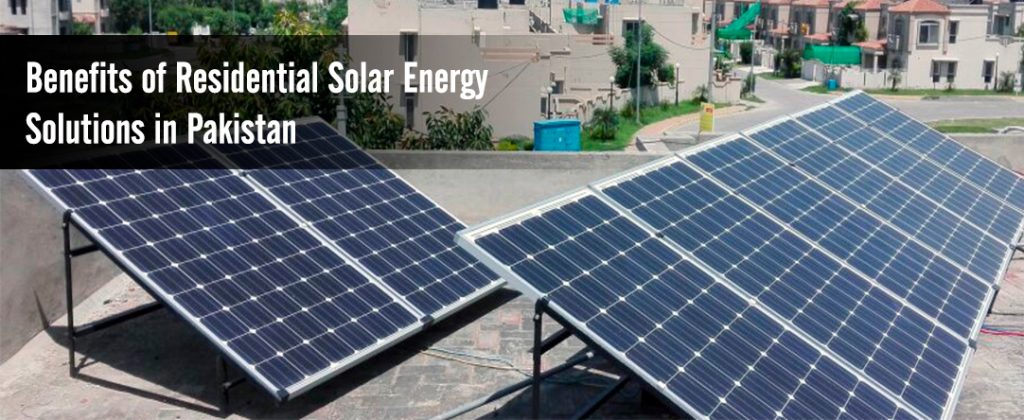
Solar energy is becoming increasingly popular, not only because it’s environmentally friendly but also because it offers significant financial and practical benefits. This article looks at the key advantages of residential solar energy solutions, especially in Pakistan, where sunlight is abundant and electricity costs are rising.
If you’re thinking about going solar, here’s what you need to know to make an informed decision.
Reduced CO₂ Emissions
One of the biggest benefits of residential solar energy is reduced CO₂ emissions.
- Solar panels convert sunlight directly into electricity without combustion , so they produce no greenhouse gases during operation.
- For every kilowatt‑hour (kWh) generated by solar instead of fossil fuels, you avoid roughly 0.3–0.4 kg of CO₂ emissions.
- Over the lifetime of a typical residential system, this can add up to tens of tons of avoided CO₂ , equivalent to taking several cars off the road.
By choosing solar, you’re helping reduce air pollution and combat climate change while powering your home.
Reduced Energy Bills
Solar energy can significantly lower your electricity bills.
- Solar panels generate electricity during daylight hours, reducing the amount you need to buy from the grid.
- With net metering, the excess energy you export can earn credits or payments, further cutting your bill.
- In Pakistan, where electricity tariffs have been rising, solar can provide long‑term price stability compared to grid power.
Even a modest residential system can cover a large portion of your daytime energy use, leading to noticeable savings month after month.
ExsdPropertyValue
Homes with solar installations often sell faster and at higher prices.
- Buyers value lower future energy costs and the convenience of an already‑installed system.
- Studies in various markets show that solar can increase property values by 3–5% or more, depending on system size and local electricity rates.
- Solar is increasingly seen as a modern, desirable upgrade, similar to energy‑efficient windows or a renovated kitchen.
If you plan to sell your home in the future, solar can be a smart investment that pays off both while you live there and when you decide to move.
Improved Air Quality and Health Benefits
Solar energy contributes to cleaner air and better health, especially in urban areas.
- By reducing reliance on fossil‑fuel power plants, solar helps lower emissions of SO₂, NOx, and particulate matter, which are linked to respiratory and cardiovascular problems.
- In cities with high smog levels, every kilowatt of solar capacity helps improve local air quality.
- Solar systems operate quietly, unlike generators, reducing noise pollution and creating a more peaceful home environment.
Better air quality and quieter surroundings can support better sleep, lower stress, and overall improved quality of life.
Energy Security and Independence
Solar power offers greater energy security, especially in areas with frequent outages or unreliable grids.
- With a hybrid or off-grid system (including batteries), you can have power during grid failures.
- You’re less vulnerable to fuel price spikes, load shedding, and grid instability.
- For homes in remote areas or with critical needs (medical equipment, home offices), solar with storage provides dependable electricity.
This independence reduces stress and ensures that essential appliances keep running even when the grid is down.
Sustainability and Long-Term Reliability
Solar energy is a sustainable, long-lasting power source .
- Solar panels are designed to last 25–30 years or more , with many manufacturers offering performance warranties guaranteeing 80–85% output after 25 years .
- They require minimal maintenance —mainly occasional cleaning and visual inspections.
- Unlike fossil fuels, sunlight is renewable and widely available , making solar a stable, long‑term solution.
By investing in solar, you’re choosing a technology that supports both environmental sustainability and household reliability.
Additional Benefits
Beyond the main points above, residential solar energy solutions offer several other advantages:
- Lower operating costs – once installed, sunlight is free, so your ongoing energy costs are mainly related to system maintenance.
- Support for local jobs – the solar industry creates employment in installation, manufacturing, sales, and maintenance.
- Positive environmental impact – reduced reliance on fossil fuels helps protect natural resources and ecosystems.
- Potential tax benefits or incentives – depending on your country and region, you may qualify for rebates, tax credits, or favorable financing for solar installations.
Final Thoughts
Residential solar energy solutions provide many benefits for homeowners in Pakistan and around the world:
- Reduced CO₂ emissions and improved air quality
- Lower electricity bills and long‑term savings
- Increased property value and market appeal
- Greater energy security and independence
- Sustainable, reliable power with low maintenance
If you’re considering solar for your home, it’s a good idea to:
- Assess your energy usage – review your bills and estimate your needs.
- Check local incentives and net metering policies – see what support is available.
- Consult a reputable provider – look for experienced installers with strong warranties and good customer reviews.
By solar, you can enjoy cleaner, choosing more affordable energy while contributing to a healthier environment and a more secure energy future.

Related posts
Comparison of monocrystalline and polycrystalline solar panels for Pakistan's energy needs.
Commercial solar solutions in Pakistan by Maxpower, ideal for factories, offices, and businesses.


Contemplative man pondering trust in Pakistan's top solar companies 2026.