Fuel Price Increase? Invest Once in Solar System and Reduce Electricity Costs in Pakistan
September 25, 2026MaxPower Solar Solutions for Hostels, Hotels & Large Homes in Pakistan – Hybrid Inverters & Lithium Batteries
October 10, 2026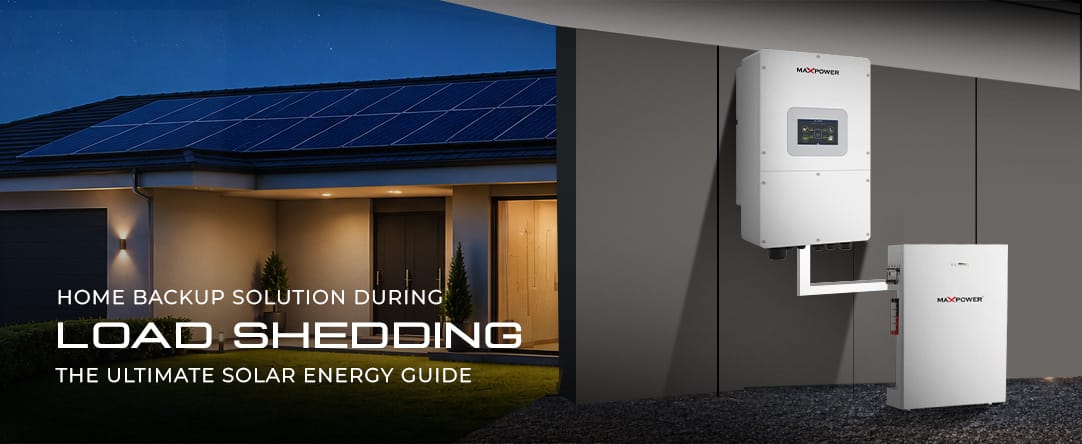
Unannounced load shedding, frequent grid outages, and rising utility bills present major challenges for Pakistani households. Running traditional fuel generators is increasingly expensive, noisy, and high-maintenance, while conventional lead-acid UPS systems fail during prolonged multi-hour power cuts.
The most effective, reliable home backup solution is a Hybrid Solar System with Lithium Energy Storage. By combining high-efficiency PV generation with advanced energy storage and smart power blending, homes can enjoy uninterrupted electricity, zero fuel costs, and significant long-term bill reductions.
Key Highlights for Fast Reading
-
Optimal Backup Choice: Hybrid Solar Energy System consisting of Solar PV Panels, Pure Sine Wave Hybrid Inverter, and LiFePO4 Lithium Battery Storage.
-
Standard Sizing Range: 6kW to 10kW Hybrid Inverters paired with 5kWh to 16kWh Lithium Battery units cover essential-to-heavy home loads.
-
Primary Advantages: Millisecond automatic switching, zero operational noise, 10+ year battery lifespan, and NEPRA net-metering compatibility.
Why Traditional UPS and Fuel Generators Are Outdated
For decades, homeowners relied on modified-sine-wave UPS units paired with lead-acid batteries or fossil-fuel generators. Modern home power needs have rendered these solutions inefficient:
-
Gas and Diesel Generators: High maintenance, rising fuel costs, loud noise pollution, and manual starting requirements during sudden outages. To learn more about operating expenses, read our Diesel Generator vs Solar System Cost Comparison Guide.
-
Lead-Acid and Tubular UPS Systems: Short battery lifespans (1.5 to 2 years), slow recharge times between consecutive load shedding cycles, and high grid electricity consumption during charging. See the full breakdown on our Lithium vs Tubular Battery Performance Analysis.
The Modern Solution: Hybrid Solar Backup System
A hybrid solar system connects simultaneously to solar panels, a battery bank, and the electrical grid (DISCO/WAPDA).
How System Routing Works
-
Solar Panels: Generate DC electricity directly from daylight hours.
-
Hybrid Inverter: Manages MPPT power blending, supplying active home loads while charging storage units.
-
Battery Storage: Stores surplus solar energy for nighttime or emergency backup use.
-
Grid Connection: Exports excess energy back to DISCO lines via NEPRA net-metering.
Performance During Grid Outages
-
Daytime Outages: The hybrid inverter routes solar PV energy directly to running appliances while routing surplus generation to top up the battery storage.
-
Nighttime Outages: The system automatically switches to battery power without causing micro-interruptions to sensitive electronics, computers, or Wi-Fi routers.
-
Normal Grid Conditions: Any excess power generated beyond home consumption charges the energy storage or exports back to the grid under NEPRA net-metering regulations.
Recommended System & Battery Sizing
Matching your appliance load with the correct system capacity prevents overloading and ensures adequate backup autonomy:
| System Capacity | Ideal Home Size | Appliance Load Supported | Recommended Setup | Estimated Backup Autonomy |
| 3kW – 6kW Hybrid Setup | 5 to 8 Marla House | Fans, LED lighting, TV, refrigerator, 1.5-Ton Inverter AC | Voltas Single Phase Hybrid Inverter + MP 5000-PRO Battery | 4 to 8 Hours |
| 8kW – 10kW Hybrid Setup | 10 Marla to 1 Kanal | Multiple Inverter ACs, refrigerator, water pump, full lighting | Voltas 10K Pro Inverter + MP 16000-PRO Lithium Battery | 6 to 10 Hours |
| 12kW – 20kW Hybrid Setup | 1 to 2 Kanal Estate | Heavy residential load, central cooling, multiple pumps | Voltas Three Phase Hybrid Inverter + MP 32000-PRO Lithium Battery | 8 to 12+ Hours |
Essential Components of a Solar Backup System
1. Pure Sine Wave Hybrid Inverter
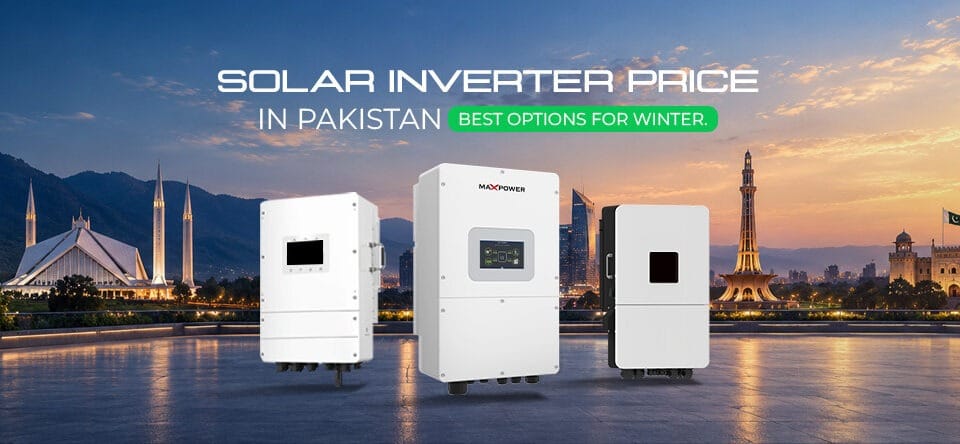
The hybrid inverter manages energy distribution between solar panels, storage units, and the grid. Modern units like the Max Power Voltas Hybrid Inverter Series feature dual MPPT trackers, high conversion efficiency, and smart monitoring to safely power delicate household electronics during outages. For a full residential buying guide, check our Top Max Power Inverters for Residential Use Guide.
2. Lithium LiFePO4 Energy Storage
Lithium Iron Phosphate (LiFePO4) technology outperforms lead-acid batteries across every performance metric:
-
Lifespan: 10+ years (6,000 to 8,000+ charge cycles vs. 500–800 cycles in lead-acid).
-
Depth of Discharge (DoD): Up to 80%–90% usable capacity without chemical degradation.
-
Fast Charging: Recharges rapidly during short solar generation windows.
Learn more in our detailed Solar News & Insights Portal.
3. Automatic Transfer & Protection
Integrated automatic switching guarantees seamless transition between grid and backup lines within milliseconds, while anti-islanding protections safeguard both equipment and grid technicians.
Best Practices to Maximize Backup Hours
-
Separate Non-Essential Loads: Connect heavy resistive loads (like high-wattage water heaters) to non-backed-up circuits during outages.
-
Use Inverter-Grade Appliances: Inverter ACs and refrigerators draw significantly lower starting currents, preserving battery reserve capacity.
-
Plan System Capacity: Estimate your exact home wattage before installation using the official Max Power Electric Load Calculator.
-
Monitor Local Energy Standards: Review official grid regulations on the NEPRA Official Portal when setting up net-metering systems.
Frequently Asked Questions
What is the best backup power solution during load shedding for homes in Pakistan?
A hybrid solar energy system combining a high-efficiency hybrid inverter and a LiFePO4 lithium battery bank provides the most reliable performance. It offers instant switching during outages, charges via daylight, and reduces monthly electricity bills.
How many backup hours can a 6kW or 10kW hybrid solar system provide?
A 6kW to 10kW system equipped with a 10kWh to 16kWh lithium battery storage bank typically provides 6 to 10 hours of continuous backup autonomy for standard residential loads (lights, fans, refrigerator, and 1 to 2 inverter ACs).
Can a hybrid solar system run appliances during load shedding without grid power?
Yes. Hybrid solar inverters operate independently during grid outages. During daylight hours, connected solar panels power active home loads and recharge batteries simultaneously without drawing electricity from WAPDA or DISCO lines.
What is the main difference between On-Grid and Hybrid solar systems during power cuts?
An On-Grid system automatically shuts off during load shedding to prevent back-feeding the grid (anti-islanding requirement). A Hybrid solar system continues operating seamlessly by instantly drawing energy from its connected lithium battery bank.
Why are lithium batteries recommended over traditional tubular batteries for load shedding backup?
Lithium (LiFePO4) batteries offer a 10+ year lifespan (6,000+ cycles), fast 2-hour recharge times, zero maintenance, and up to 90% usable depth of discharge, making them far more cost-effective over time than lead-acid or tubular alternatives.
Explore Latest Updates & Solar News
For continuous market pricing, tariff updates, and technical guides, stay tuned to our official Max Power Solar Energy News & Insights Blog.