Eco friendly way of electricity generation
September 3, 2020Difference Between an On-Grid & Off-Grid Solar Panel System
June 26, 2021
When you invest in a solar power system for your home, business, or agricultural property, you are making a decision that will affect your electricity costs for the next twenty to twenty-five years. While most buyers focus heavily on solar panel brands and wattage, the inverter is actually the heart of your entire system. It is the component that converts the direct current electricity produced by your panels into alternating current electricity that your appliances can actually use. Without a reliable, efficient, and properly sized inverter, even the most expensive Tier 1 solar panels will fail to deliver acceptable performance.
In Pakistan’s challenging electricity environment, where voltage fluctuations, load shedding, dust storms, and extreme summer heat are daily realities, choosing the right solar inverter becomes even more critical. A poor quality inverter can fail within months, void your panel warranties, damage your appliances, and leave you with a system that never produces the savings you were promised. On the other hand, a high-quality inverter from a reputable brand ensures maximum energy harvest, stable power output, long equipment life, and reliable backup during grid outages. This guide explains the top solar inverter brands available in Pakistan in 2026 and gives you practical criteria for selecting the perfect inverter for your specific needs.
Why the Solar Inverter Matters More Than You Think
Many homeowners assume that solar panels are the only component that determines system performance. In reality, the inverter is responsible for optimizing, converting, and managing every watt of electricity your system produces. Modern inverters do far more than simple power conversion. They continuously track the maximum power point of your solar array to ensure panels operate at peak efficiency regardless of temperature, shading, or sunlight angle. They monitor system health, detect faults, provide real-time generation data through Wi-Fi or Bluetooth apps, and in the case of hybrid models, manage battery charging and grid export for net metering.
If your inverter fails, your entire system stops producing usable electricity even if your panels are in perfect condition. In Pakistan, where after-sales service and spare parts availability can be inconsistent, buying an inverter from a brand with strong local support is just as important as the technical specifications on paper. The inverter also determines whether your system can participate in net metering, run heavy loads like air conditioners and water pumps, and provide backup power during load shedding. In short, the inverter is not a place to cut corners.
Top Solar Inverter Brands Available in Pakistan
The Pakistani solar market in 2026 features a mix of premium European brands, reliable Chinese manufacturers, and locally adapted inverter series designed specifically for regional grid conditions. Each category has its own strengths, price points, and ideal use cases.
Fronius is an Austrian brand widely regarded as one of the highest quality inverter manufacturers in the world. Their Primo and Galvo ranges are popular in Pakistani residential and commercial installations where long-term reliability is the top priority. Fronius inverters are known for exceptional build quality, high conversion efficiency, and comprehensive monitoring capabilities through their dedicated smartphone app. Many models come with a standard warranty of around ten years, which reflects the manufacturer’s confidence in product durability. Some Fronius models feature smart integrated design that eliminates the need for a separate external isolator box, reducing installation complexity and potential failure points. While Fronius inverters sit at the higher end of the price spectrum, they are often the preferred choice for premium installations where performance and longevity outweigh initial cost concerns.
ABB, now part of the Power Electronics and Fimer transition landscape, has historically offered robust inverter solutions for the Pakistani market. Their UNO range and related commercial series have been used in both residential and industrial installations across the country. ABB inverters have been particularly noted for features like backup AC supply capability during power outages, which provides seamless transition when the grid fails. Newer generations of ABB-derived inverters have improved performance metrics, better heat management for Pakistani summers, and enhanced grid interaction features that make them suitable for net metering applications. For commercial and industrial users who need proven three-phase power conversion, ABB remains a respected name.
SMA is a German manufacturer with a long history of producing high-quality, reliable solar inverters. Their Sunny Boy range has been especially popular in residential and small commercial systems throughout Pakistan. SMA inverters are known for excellent efficiency ratings, durable construction that withstands harsh environmental conditions, and user-friendly monitoring platforms. German engineering standards give Pakistani buyers confidence that these inverters can handle voltage fluctuations and continuous operation without premature failure. SMA offers a range of sizes suitable from small homes up to medium commercial installations, making them a versatile choice for buyers who prioritize European manufacturing quality.
SolarEdge has carved out a unique position in the inverter market through its advanced power optimization technology. Their SE range and HD Wave inverters offer some of the highest efficiency ratings available, with some models approaching ninety-nine percent peak efficiency. What sets SolarEdge apart is their panel-level optimization system, which allows each solar panel to operate independently at its maximum power point. This is particularly valuable in Pakistan where partial shading from neighboring buildings, trees, or architectural features can significantly reduce the output of traditional string inverter systems. SolarEdge inverters also feature compact design, advanced safety mechanisms that reduce DC voltage to safe levels when the grid is down, and comprehensive module-level monitoring that lets you see the performance of each individual panel through a smartphone app. For installations where shading issues or complex roof orientations are a concern, SolarEdge offers a technical advantage that justifies its premium positioning.
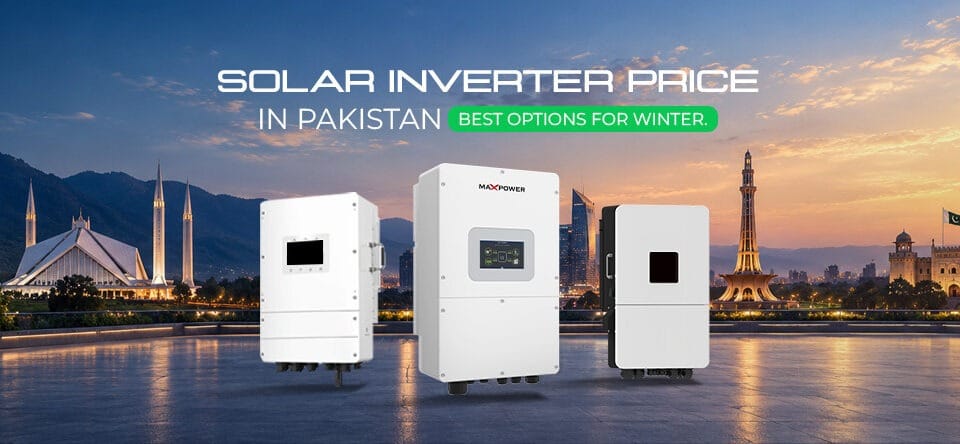
Maxpower Suntronic and Voltas series inverters represent the category of systems purpose-built for Pakistani grid conditions. Unlike generic imported inverters that may struggle with local voltage ranges, frequency variations, and dust exposure, these series are engineered specifically for the realities of the Pakistani market. They feature dual MPPT tracking to handle multiple roof orientations, IP65 and IP66 weatherproof protection for outdoor rooftop installation without additional enclosures, and hybrid compatibility with both lithium-ion and lead-acid battery banks. Local engineering means firmware and protection settings are optimized for WAPDA grid behavior, load shedding patterns, and the specific demands of Pakistani households and businesses. For buyers who want a balance of advanced features, local warranty support, and competitive pricing, these Pakistan-adapted hybrid series offer compelling value.
Key Technical Features to Understand Before Buying
Before comparing brands or prices, every solar buyer in Pakistan should understand the technical features that determine whether an inverter will perform well in local conditions.
Efficiency rating is the first and most important number to check. Inverter efficiency tells you what percentage of DC solar power is successfully converted into usable AC electricity. Premium inverters offer peak efficiency of ninety-seven to ninety-nine percent, meaning almost all of your generated solar energy reaches your appliances. Lower quality inverters may advertise high efficiency but fail to maintain it under the hot rooftop temperatures common in Pakistani summers. Always look for both peak efficiency and weighted efficiency ratings that reflect real-world operating conditions.
IP rating determines how well the inverter resists dust and water ingress. For Pakistani installations, where dust is constant and monsoon rains can be intense, an inverter with at least IP65 rating is strongly recommended for outdoor mounting. IP66 rating offers even better protection against powerful water jets. Inverters without adequate IP ratings must be installed in expensive protective enclosures or indoor rooms, adding cost and reducing airflow. An IP65 or IP66 rated inverter can be mounted directly on an outdoor wall or rooftop structure without fear of dust infiltration or rain damage.
MPPT tracking capability affects how much energy your panels produce throughout the day. MPPT, or Maximum Power Point Tracking, is the algorithm that continuously adjusts electrical operating points to extract maximum power from your solar array. Single MPPT inverters work well when all panels face the same direction and receive identical sunlight. However, if your roof has panels facing east and west, or if some panels are partially shaded during certain hours, a dual MPPT inverter becomes essential. Dual MPPT allows two separate strings of panels to operate independently at their optimal power points, significantly increasing total daily energy yield for complex roof layouts.
Waveform quality matters for protecting your sensitive electronics and appliances. Pure sine wave inverters produce smooth, grid-quality electricity identical to what WAPDA supplies. Modified sine wave or square wave inverters should never be used for home solar systems because they can damage modern appliances, create electrical noise, and reduce motor life in refrigerators and air conditioners. All reputable brands mentioned in this guide produce pure sine wave output, but buyers should still verify this specification when considering unknown or ultra-budget brands.
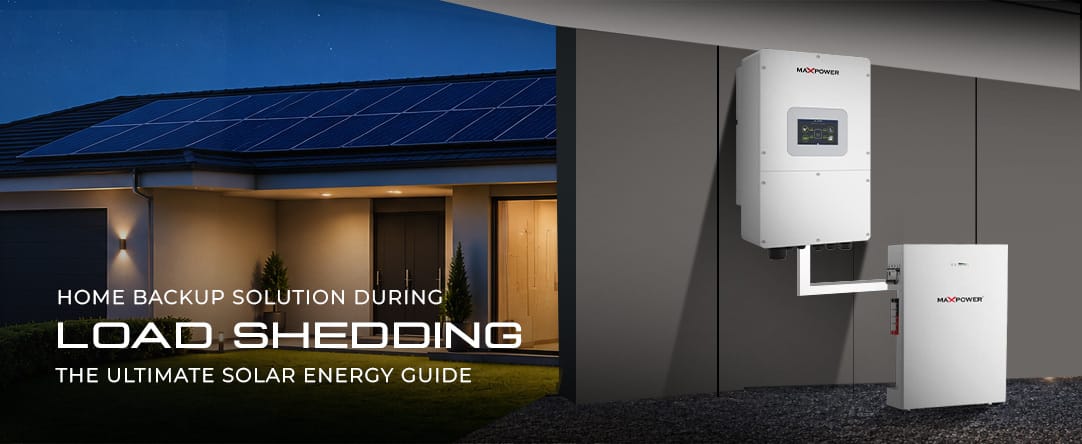
Battery compatibility is crucial if you want backup power during load shedding. Not all inverters can connect to batteries. Standard on-grid inverters shut down during outages and offer no backup capability. Battery-ready or hybrid inverters include built-in charge controllers and switching logic that allow seamless transition to battery power when the grid fails. If you plan to add lithium batteries in the future, ensure your inverter supports the specific battery chemistry and voltage requirements, as lithium and lead-acid systems require different charging profiles.
How to Choose the Right Solar Inverter for Your Needs
With so many brands and technical specifications available, the selection process can feel overwhelming. However, if you approach the decision systematically, you can narrow down your options quickly and confidently.
Start by determining your system type. If you live in an urban area with reliable grid access and your primary goal is reducing electricity bills through net metering, an on-grid string inverter from Fronius, SMA, or a quality hybrid series will serve you well. If you suffer from frequent load shedding and need backup power for fans, lights, and essential appliances, a hybrid inverter with battery support is non-negotiable. If your roof has shading issues or multiple orientations, prioritize dual MPPT or panel-level optimization technology.
Next, match the inverter capacity to your solar array size. Inverters are rated in kilowatts or kilovolt-amperes, and your array capacity should generally fall within the inverter’s acceptable input range. Oversizing the inverter slightly relative to your panel capacity is common practice and can improve performance during low-light conditions. However, dramatically undersizing your inverter will result in clipped output during peak sunshine hours when your panels could produce more power than the inverter can convert. A professional solar designer will calculate the optimal DC to AC ratio for your specific installation.
Consider your monitoring preferences. Modern inverters offer smartphone apps and web portals that show real-time generation, historical performance, fault alerts, and environmental impact metrics. If you enjoy tracking your system’s performance and want immediate notification if something goes wrong, choose a brand with a well-reviewed monitoring platform. This feature is especially valuable in Pakistan, where you may not visit your rooftop regularly and need remote visibility into system health.
Evaluate warranty and local support together. A ten-year warranty is only valuable if the manufacturer or local distributor can honor it promptly. Before buying, confirm that the brand has authorized service centers in your city, trained technicians who can troubleshoot faults, and ready availability of spare parts like cooling fans, capacitors, and display boards. European brands often offer longer warranties but may have slower parts availability. Locally adapted brands may offer shorter warranty periods but provide faster on-site service. The best choice depends on your risk tolerance and proximity to service centers.
Finally, balance your budget against total cost of ownership. A cheap inverter that fails after two years and damages your panels or appliances will cost far more than a premium inverter that runs reliably for fifteen years. In Pakistan’s harsh climate, cutting corners on inverter quality is a false economy. That said, you do not always need the most expensive European brand. A well-engineered locally adapted hybrid inverter with solid warranty support often delivers the best value for residential buyers who need backup power and net metering capability without paying premium import prices.
Common Mistakes to Avoid When Buying an Inverter
Pakistani solar buyers often make predictable mistakes that lead to disappointment and unnecessary expenses. Avoiding these errors will save you significant trouble over the life of your system.
The first mistake is choosing an inverter based solely on price. The inverter market in Pakistan includes many low-quality, refurbished, or non-branded units that sell for temptingly low prices. These units often lack proper protection features, overstate their efficiency ratings, and fail within the first year of operation. When they fail, there are no spare parts and no warranty support. Always buy from authorized dealers and insist on original packaging, serial number verification, and a stamped warranty card.
The second mistake is ignoring ambient temperature ratings. Inverters generate heat during operation, and when mounted on a Pakistani rooftop in summer, ambient temperatures can exceed fifty degrees Celsius. If your inverter is not rated for high-temperature operation, it will derate, meaning it produces less power than advertised, or it will shut down entirely to protect itself. Look for inverters with wide temperature operating ranges and active cooling systems if you live in particularly hot regions like interior Sindh or Punjab.
The third mistake is mismatching the inverter with future expansion plans. If you intend to add more panels later, install a battery bank next year, or eventually run heavier loads, your inverter needs to accommodate those upgrades. Buying a non-hybrid inverter today and then discovering you need backup power after load shedding worsens means replacing the entire inverter. Plan for your future energy needs, not just your current bill.
The fourth mistake is neglecting installation quality. Even the world’s best inverter will fail prematurely if installed with undersized cables, poor grounding, or exposure to direct rain without proper mounting orientation. Always hire certified installers who follow manufacturer guidelines for cable sizing, breaker ratings, and ventilation clearance.
Frequently Asked Questions
Why is an IP65 or IP66 rating important for a solar inverter in Pakistan?
Inverters with IP65 or IP66 ratings are dustproof and protected against powerful water jets, making them ideal for outdoor rooftop installations. Pakistan experiences high ambient dust, monsoon rains, and extreme summer heat, so adequate ingress protection prevents internal corrosion, short circuits, and premature component failure.
What is the benefit of an inverter with dual MPPT trackers?
Dual Maximum Power Point Tracking allows two separate groups of solar panels to operate independently at their optimal power output. This is essential when panels are installed on different roof orientations, such as east and west, or when one string experiences partial shading while the other remains in full sun.
Can I connect a hybrid solar inverter to the grid for net metering?
Yes. Hybrid solar inverters are specifically designed to work simultaneously with solar panels, utility grid connections for net metering, and connected battery storage for backup power during blackouts. This three-way functionality makes them the most versatile choice for Pakistani residential and commercial users.
How does smart Wi-Fi monitoring help in maintaining a solar inverter?
Wi-Fi monitoring allows homeowners to track daily kilowatt-hour generation, observe battery charging and discharge levels, identify underperformance caused by shading or faults, and receive real-time alerts through a smartphone app. This visibility helps detect problems early before they cause significant energy losses.
What is the standard warranty period for high-quality hybrid inverters in Pakistan?
Standard warranties for hybrid inverters in the Pakistani market typically range from three to five years, with some premium European brands offering up to ten years. Buyers should verify that the warranty includes local service support and not just a replacement promise that requires shipping the unit overseas.
Is a more expensive inverter always better?
Not necessarily, but in most cases, higher prices reflect better component quality, longer warranties, superior efficiency, and stronger after-sales support. The best inverter for you balances your budget, technical requirements, and the availability of local service. A mid-range hybrid inverter with excellent local support often outperforms a premium imported unit that sits idle for weeks waiting for spare parts.
Can I use any battery with a hybrid inverter?
No. Hybrid inverters support specific battery chemistries, voltages, and communication protocols. Some inverters work only with lead-acid batteries, while others are optimized for lithium iron phosphate systems. Always verify battery compatibility before purchasing and ensure the inverter’s charge controller matches your chosen battery specifications.